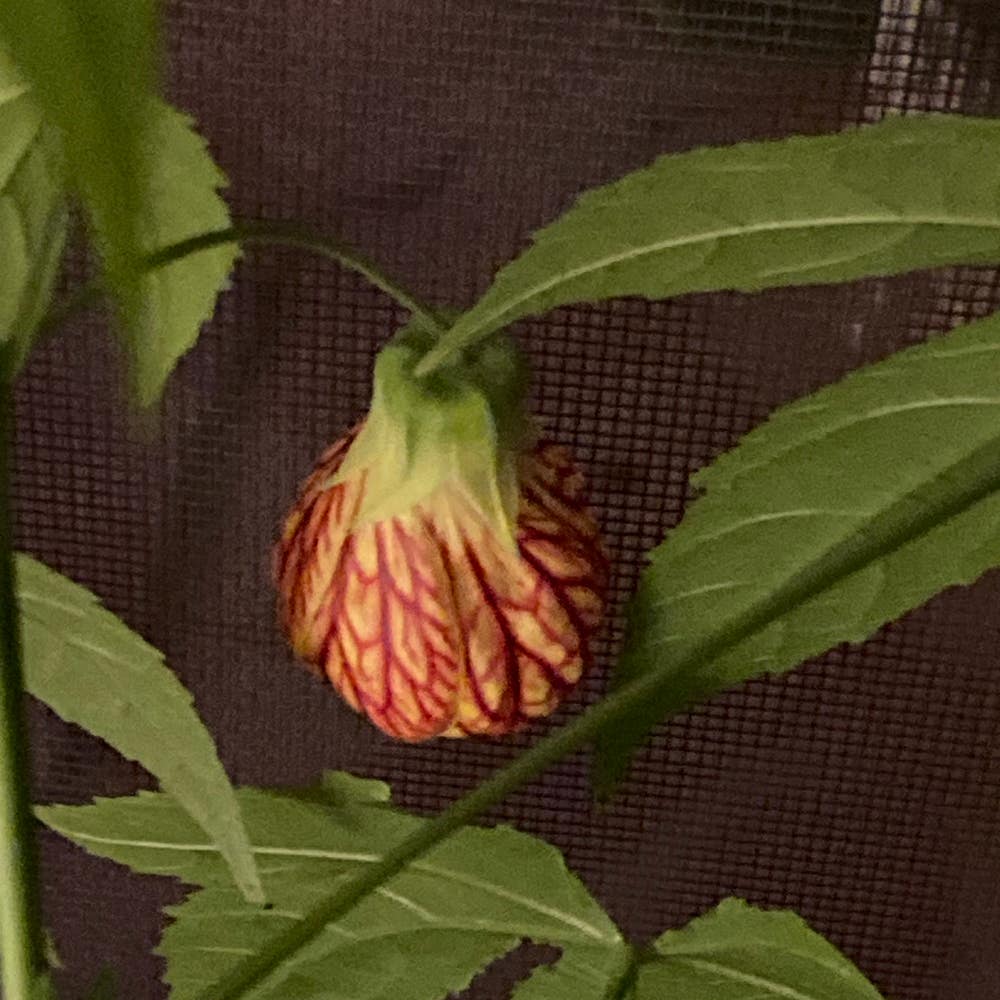
Ultimate Guide to Flowering Maple Roots 🍁
Abutilon 'Lucky Lantern Yellow'
By the Greg Editorial Team
Oct 17, 2024•5 min read
This article was created with the help of AI so we can cover more plants for you. May contain errors. See one? Report it here.
- 🌱 Flowering Maple roots adapt well to various soils, ensuring robust growth.
- 💧 Consistent watering is crucial; monitor soil moisture to prevent root rot.
- 🌿 Healthy roots are vital for propagation and quick establishment of new plants.
Characteristics of the Root System
🌱 Type of Root System
Flowering Maple features a fibrous root system, characterized by an extensive network of thin roots. This structure allows the plant to adapt to various soil types, making it resilient in different environments.
🔍 Specific Characteristics
One of the standout features of this root system is its nutrient absorption capabilities. The roots efficiently uptake water and essential nutrients, ensuring the plant remains healthy and vibrant.
However, these roots are also sensitive to environmental conditions. Soil moisture levels significantly impact root health, highlighting the importance of consistent watering practices.
Root Depth, Spread, and Growth Patterns
🌱 Typical Root Depth and Spread
The root system of the Flowering Maple typically reaches an average depth of 12 to 18 inches (30 to 45 cm). Its roots can spread impressively, extending up to 3 feet (90 cm) wide, allowing the plant to access a broader range of nutrients and moisture.
📈 Growth Patterns
Flowering Maple exhibits rapid initial growth, which is exciting to witness. After this burst, the plant transitions into a more stable growth phase, establishing a solid foundation.
🌦️ Seasonal Variations in Root Activity
During the growing season, root activity increases significantly. This is the time when the plant thrives, making it crucial to monitor soil conditions and moisture levels to support its growth.
Understanding these growth patterns helps in planning care routines, ensuring your Flowering Maple remains healthy and vibrant. As we explore further, we'll delve into how to care for these roots effectively through watering and fertilization practices.
Watering, Fertilizing, and Transplanting
🌱 How Root System Affects Watering Practices
Maintaining consistent moisture is crucial for Flowering Maple due to its shallow root system. Without adequate water, these plants can experience drought stress, leading to wilting and poor growth.
To keep your Flowering Maple thriving, aim to water weekly during dry spells. Adjust your frequency based on the soil's moisture level; if it feels dry a couple of inches down, it’s time to water.
🌿 Fertilization Techniques Tailored to Root Health
Choosing the right fertilizer can significantly impact root health. Balanced NPK fertilizers are ideal for Flowering Maple, providing essential nutrients for robust growth.
For best results, fertilize monthly during the growing season. This regular feeding helps ensure your plant has the nutrients it needs to flourish.
🌳 Best Practices for Transplanting Flowering Maple
Timing is everything when it comes to transplanting. The best periods are early spring or fall, allowing the plant to establish roots before extreme weather sets in.
Follow these steps for a successful transplant:
- Prepare a new planting hole that is twice the width of the root ball.
- Water the plant thoroughly before removal to reduce stress.
- Gently loosen the root ball and place it in the new hole.
- Backfill with soil and water well to eliminate air pockets.
By following these practices, you can help your Flowering Maple thrive in its new home. Next, let’s explore common root-related issues that can affect your plant’s health.
Common Root-Related Issues
Identifying Root Rot and Other Diseases 🦠
Root rot can be a sneaky adversary for your Flowering Maple. Look for signs like wilting, yellowing leaves, and mushy roots, which are clear indicators that something's amiss.
Other common diseases can also affect the roots. Fungal infections and pests can wreak havoc, leading to stunted growth and overall plant decline.
Solutions for Preventing Root-Related Problems 🛠️
To keep your roots healthy, watering practices are crucial. Avoid waterlogged conditions, as they can suffocate roots and promote rot.
Consider soil amendments to enhance drainage. Incorporating materials like perlite or sand into your potting mix can significantly improve root health and prevent issues down the line.
By staying vigilant and proactive, you can ensure your Flowering Maple thrives, setting the stage for the next section on indicators of root health.
Indicators of Root Health and Rootbound Conditions
🌱 Visual Cues for Healthy Roots
Healthy roots are a gardener's best friend. Look for roots that are firm and exhibit a white or light tan color, indicating vitality.
🚨 Signs of Unhealthy Roots and Their Implications
Unhealthy roots tell a different story. Dark, mushy, or discolored roots signal decay, often accompanied by foul odors.
These symptoms can severely impact overall plant health, leading to reduced nutrient uptake and increased vulnerability to stress.
🔄 Recognizing and Remedying Rootbound Plants
Rootbound conditions occur when roots circle the pot, restricting growth. This often happens when plants outgrow their containers.
Signs of rootbound plants include stunted growth, yellowing leaves, and roots emerging from drainage holes.
To remedy this situation, follow these steps:
- Gently remove the plant from its pot to assess the root system.
- Trim any circling roots to encourage new growth.
- Repot into a larger container filled with fresh, well-draining soil.
By addressing root health proactively, you can ensure your Flowering Maple thrives. This sets the stage for successful propagation and division, which we'll explore next.
Propagation and Division
🌱 Importance of Root Health in Propagation
Healthy roots are crucial for successful propagation. They ensure that new plants grow vigorously and establish themselves quickly in their new environments.
✂️ Techniques for Dividing Flowering Maple Effectively
🕰️ Best Time for Division
The ideal time to divide Flowering Maple is early spring, just before new growth begins. This timing allows the plant to recover quickly and thrive.
🛠️ Steps for Effective Division
- Remove the plant from its pot: Gently take the plant out, being careful not to damage the roots.
- Separate the root ball: Gently pull apart the root ball, ensuring each division has enough roots and stems.
- Replant divisions: Place the divisions in suitable pots filled with well-draining soil to promote healthy growth.
By following these steps, you can successfully propagate Flowering Maple and enjoy the beauty of new plants in your garden. Next, let’s explore common root-related issues that can affect your plants.
⚠️ Safety First
This content is for general information and may contain errors, omissions, or outdated details. It is not medical, veterinary advice, or an endorsement of therapeutic claims.
Always consult a qualified healthcare professional before using any plant as food, medicine, or supplement.
Never eat any plant (or feed one to pets) without confirming its identity with at least two trusted sources.
If you suspect poisoning, call Poison Control (800) 222-1222, the Pet Poison Helpline (800) 213-6680, or your local emergency service immediately.
Spotted an error? Please report it here.
Keep your Flowering Maple's roots thriving 🌿 with Greg's tailored watering reminders and expert tips for optimal soil health!