Diagnosing flowering maple root rot
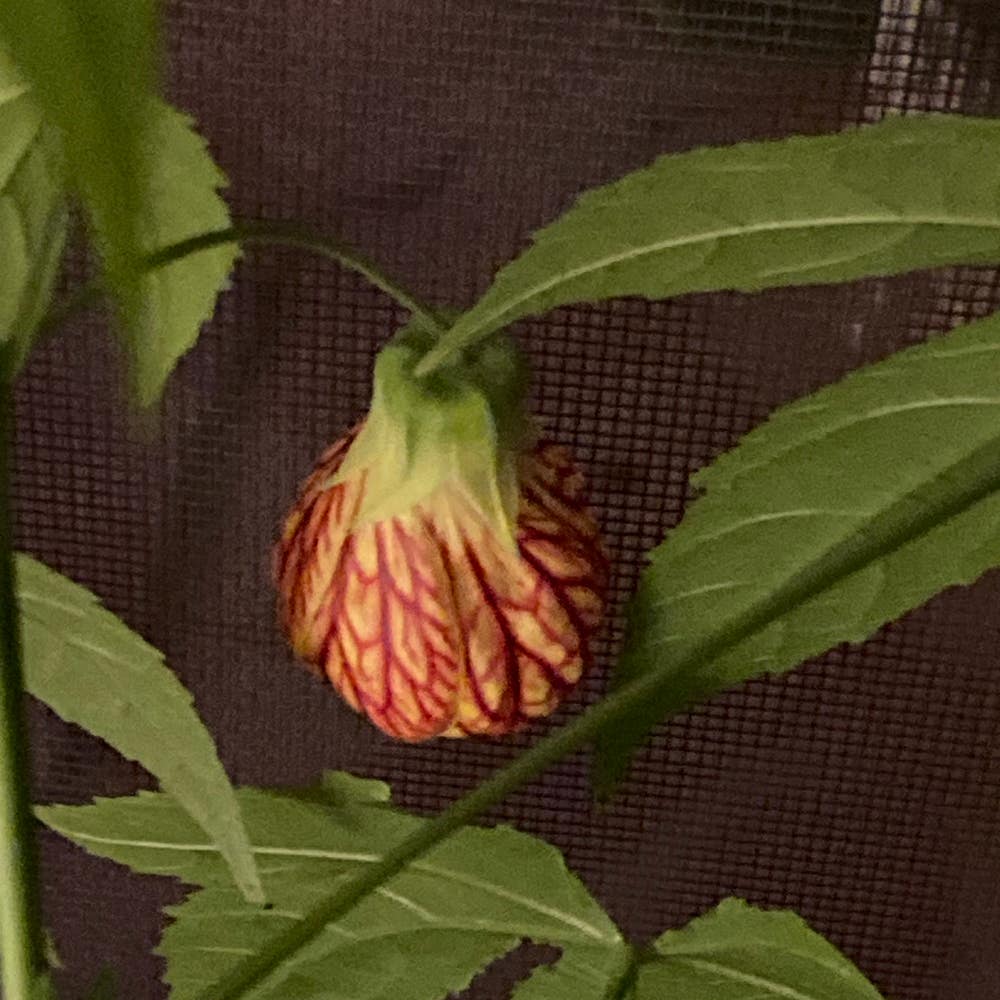
Abutilon 'Lucky Lantern Yellow'
By the Greg Editorial Team
Mar 04, 2024•4 min read
This article was created with the help of AI so we can cover more plants for you. May contain errors. See one? Report it here.
- Yellow leaves and wilting signal potential root rot in Flowering Maple.
- Dark, mushy roots and foul odor are definitive signs of rot.
- Prevent rot with proper watering, drainage, and environmental conditions.
Spotting the Red Flags: Symptoms of Root Rot in Flowering Maple
🚩 Visual Clues
Yellowing leaves and wilting should set off your internal alarms. These aren't just cosmetic issues; they're distress signals from your Flowering Maple.
Roots that have changed color or feel different are screaming for attention. Dark, mushy roots are bad news, indicating that rot has set in.
🕵️ Beyond the Surface
To really know what's going on, you've got to get your hands dirty. Gently unearth the roots and look for signs of rot, such as waterlogged or discolored areas.
Don't ignore your nose; a foul odor is the stench of decay, a clear sign that root rot is present. Trust your senses—they're your best tools for diagnosis.
Getting to the Root of the Problem: Causes of Root Rot
💧 Water Woes
Watering can be a bit like Goldilocks' porridge dilemma—too much, and you've got a swamp; too little, and you're in a desert. Overwatering is the fast track to root rot, creating a soggy mess where roots can't breathe. It's not just about the frequency of watering but also the drainage. If your pot's as watertight as a submarine, those roots are drowning. Poor drainage is a silent root assassin, often overlooked until it's too late.
🦠 Unseen Enemies
Now, let's talk about the shady characters causing this underground mayhem. Fungal pathogens like Phytophthora and Pythium are the usual suspects, thriving in your plant's damp underbelly. They're not alone, though. Rhizoctonia and Armillaria are part of this motley crew, turning robust roots into mushy messes. These fungi don't need an engraved invitation; give them a moist environment, and they'll crash the party, spreading decay like a wildfire. Remember, it's not just about the water—it's about what's in the water.
First Aid for Roots: Treating Root Rot in Flowering Maple
🚑 Immediate Actions
Upon discovery of root rot, time is of the essence. Sterilize your pruning tools; it's surgery time. Carefully remove the plant from its pot and gently wash away the soil to reveal the root system. Healthy roots are firm and white, while rotted ones are mushy and brown. Snip the afflicted parts, ensuring you only leave healthy tissue behind.
🌱 Soil and Repotting Strategies
After the root rot removal, it's time for a fresh start. Choose a pot with ample drainage holes to prevent future waterlogging. Transition the plant to a well-draining soil mix, which is like setting up a good foundation for a house—it's crucial for stability and growth.
Avoid watering immediately after repotting to let the roots acclimate. This pause gives the plant a moment to catch its breath—figuratively speaking, of course.
🍄 The Role of Fungicides and Natural Remedies
When it comes to fungicides, precision is key. Apply the treatment according to the label's instructions, targeting the affected areas. For those leaning towards natural remedies, consider cinnamon or chamomile tea for their antifungal properties. Remember, it's not about drowning the plant in chemicals but providing a targeted shield against fungal foes.
Keeping the Roots Happy: Preventing Future Root Rot
💧 Watering Wisdom
Tailoring watering practices is key to preventing root rot in Flowering Maple. Check the soil's moisture before watering—dry means go, moist means no. Consider using a moisture meter to take the guesswork out of the equation.
🌿 The Right Home for Roots
Select pots with drainage holes and use a well-draining soil mix. Terra cotta pots are a smart choice due to their porous nature, helping to avoid soggy soil conditions that can lead to root rot.
🌱 Environmental Harmony
Adjust light and airflow to create an environment conducive to healthy root growth. Ensure your Flowering Maple receives the right amount of light and that the air circulation around the plant is adequate to keep the roots and soil from becoming too moist.
⚠️ Safety First
This content is for general information and may contain errors, omissions, or outdated details. It is not medical, veterinary advice, or an endorsement of therapeutic claims.
Always consult a qualified healthcare professional before using any plant as food, medicine, or supplement.
Never eat any plant (or feed one to pets) without confirming its identity with at least two trusted sources.
If you suspect poisoning, call Poison Control (800) 222-1222, the Pet Poison Helpline (800) 213-6680, or your local emergency service immediately.
Spotted an error? Please report it here.
Prevent root rot 🚫 in your Flowering Maple with Greg's custom watering plan, ensuring your plant's roots stay as healthy as your passion for gardening.