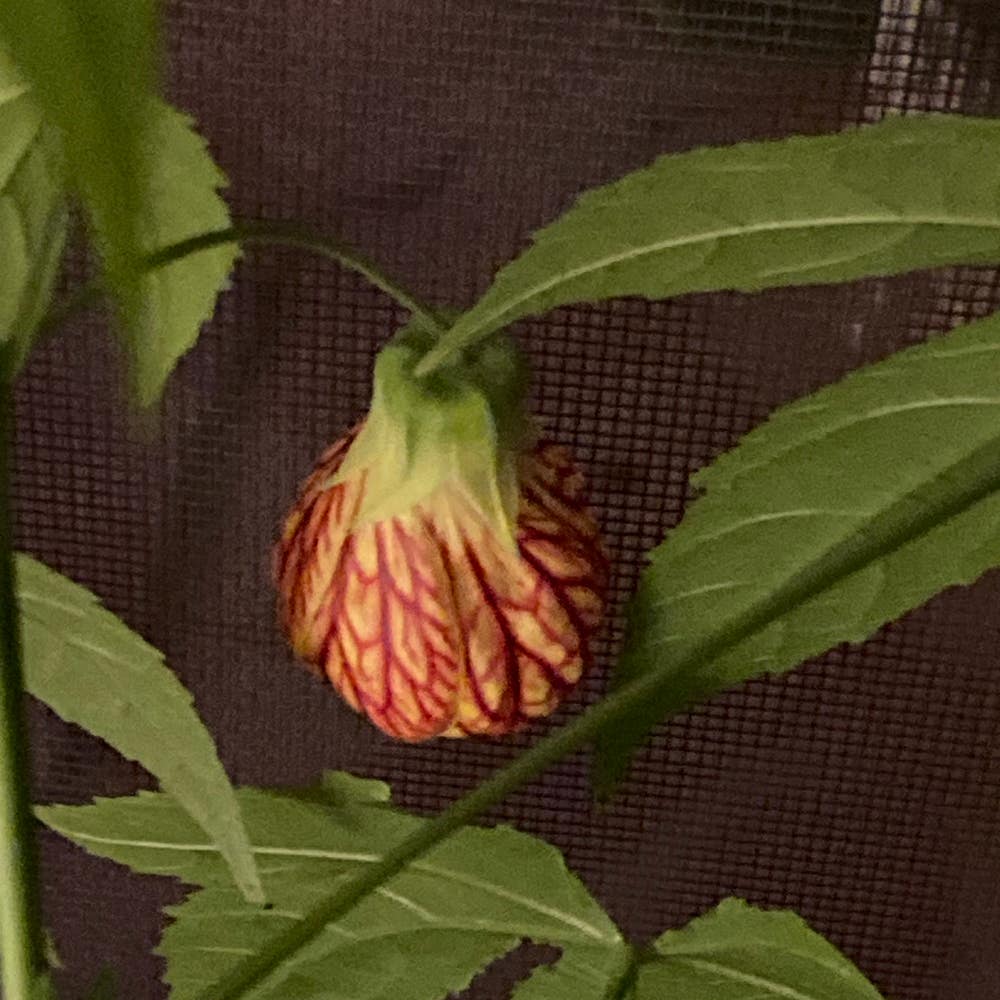
Why Are My Flowering Maple Leaves Dropping?
Abutilon 'Lucky Lantern Yellow'
By the Greg Editorial Team
Mar 04, 2024•4 min read
This article was created with the help of AI so we can cover more plants for you. May contain errors. See one? Report it here.
- Light, temperature, and water balance are key to preventing leaf drop.
- 🐛 Pest and disease vigilance is crucial for leaf retention.
- Seasonal care adjustments and air circulation help maintain healthy leaves.
Pinpointing the Culprits Behind Leaf Drop
🌞 Light and Temperature Troubles
Insufficient light can weaken Flowering Maple leaves, while too much scorches them. Temperature swings are equally harsh, stressing the plant and causing leaves to drop. It's crucial to find that sweet spot of light and maintain a stable temperature.
🚰 Water Woes
The balance between drought and drench is delicate. Over-watering leads to soggy, light green leaves, while under-watering results in dry, crispy foliage. Ensuring proper drainage and soil moisture is key to preventing leaf loss.
🐜 Unwanted Guests: Pests
Pests such as scale or mealybugs are notorious for causing trouble. They feed on leaves, leaving behind a sad, droopy Flowering Maple. Early detection is essential, so look for signs like webbing or sticky residue.
🍄 Fungal Foes and Diseases
Fungal diseases, including Verticillium wilt and tar spot, can lead to significant leaf drop. These issues thrive in moist conditions, so keeping leaves dry and promoting air circulation is vital for a healthy plant.
Turning Over a New Leaf: Solutions for Leaf Drop
🌞 Balancing the Light and Temperature Equation
Adjusting light conditions is crucial. Your Flowering Maple craves that sweet spot of bright, indirect light. Too much sun and it's a leaf-frying session; too little and it's a stretchy, leaf-dropping mess. Keep temperatures steady—think of your plant as a creature of habit, not a fan of weather roller coasters.
💧 Watering Wisdom
Get your watering routine down to a science. The goal is consistent moisture: not a swamp, not a desert. Use well-draining soil and pots with drainage holes. Let the top inch of soil dry out before watering again. If the soil feels like a wrung-out sponge, you're in the zone.
🐜 Pest Patrol Tactics
Pests are like uninvited guests at a dinner party—they ruin everything. Keep an eye out for aphids, spider mites, and the like. Introduce beneficial insects or use organic sprays, but with precision. Regular checks are your best defense; catch those pests before they throw their own party.
🦠 Disease Defense Strategies
Diseases can be stealthy invaders. Prevention is your best bet—choose resistant cultivars and mix up your plant's neighbors to avoid disease parties. If you spot signs of disease, act fast. Remove affected leaves and apply appropriate treatments. Remember, a balanced fertilizer is your plant's best friend, but don't overdo it—too much love can be just as harmful as neglect.
Proactive Measures to Keep Leaves Lush
🌿 Consistency is Key: Environmental Control
Stability in your plant's environment wards off leaf drop like a well-maintained moat protects a castle. Light and temperature should be as reliable as your favorite pair of jeans—not too hot, not too cold, just right. Aim for the sweet spot of bright, indirect light and a steady temperature to keep those leaves perky.
🕵️ Vigilance and Care: Monitoring for Early Signs
Make regular checks for early distress signals—discoloration, wilting, or an unexpected leaf on the floor. It's like being a plant's personal bodyguard, always on alert. Spotting trouble early is the difference between a quick fix and a full-blown leaf-drop crisis.
💧 Humidity: The Silent Guardian
Balance your plant's humidity like a tightrope walker. Too dry and the leaves throw in the towel; too moist and you're inviting a fungal fiesta. Aim for that just-right humidity that keeps the leaves from throwing a fit.
🧹 Cleanliness: The First Line of Defense
Keep the soil and surrounding area free from debris and fallen leaves. It's not just about aesthetics—this cleanliness is a shield against diseases and pests setting up camp.
🍂 Seasonal Adjustments: The Art of Adaptation
Like updating your wardrobe for the season, adjust your plant care as the weather changes. Water less in the chill of winter, provide more shade during the summer blaze. It's about being in tune with your plant's needs, not sticking to a rigid script.
💨 Air Circulation: The Unsung Hero
Ensure good air circulation around your plants. It's like giving them their personal space—too crowded and they get cranky (and prone to diseases). If you do spot trouble, remove affected leaves pronto and consider a fungicide if it's the recommended move for the issue at hand.
⚠️ Safety First
This content is for general information and may contain errors, omissions, or outdated details. It is not medical, veterinary advice, or an endorsement of therapeutic claims.
Always consult a qualified healthcare professional before using any plant as food, medicine, or supplement.
Never eat any plant (or feed one to pets) without confirming its identity with at least two trusted sources.
If you suspect poisoning, call Poison Control (800) 222-1222, the Pet Poison Helpline (800) 213-6680, or your local emergency service immediately.
Spotted an error? Please report it here.
Keep your Flowering Maple lush and stable 🍁 with Greg's personalized care plans that adjust to your home's unique conditions, preventing leaf drop with ease.