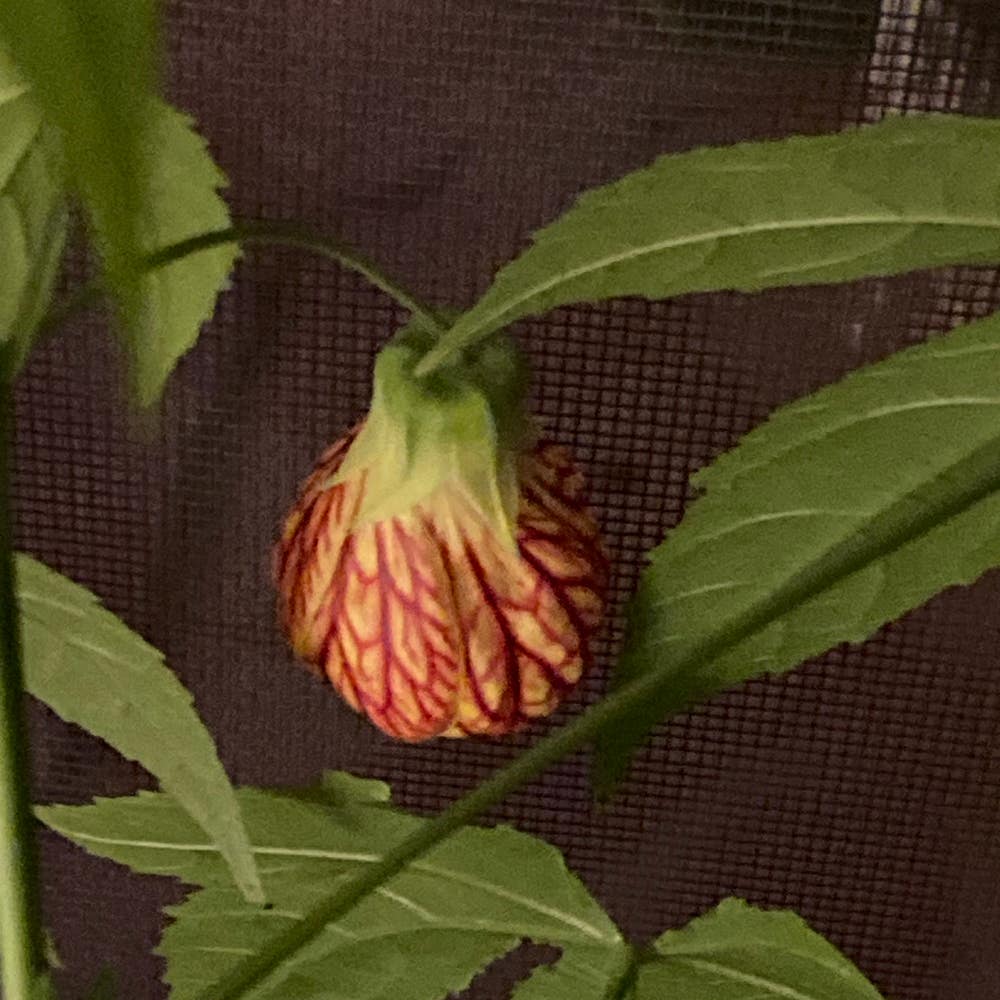
Flowering Maple - Ultimate Guide to Fertilizing
Abutilon 'Lucky Lantern Yellow'
By the Greg Editorial Team
Mar 04, 2024•4 min read
This article was created with the help of AI so we can cover more plants for you. May contain errors. See one? Report it here.
- High phosphorus fertilizer ensures vibrant Flowering Maple blooms.
- Adjust fertilizing with seasons: more in spring/summer, less in autumn/winter.
- Spot over-fertilization early to prevent damage and save blooms.
Choosing the Right Fertilizer for Blooms Galore
🌸 Balanced Fertilizers and Blooming
N-P-K ratio is the secret handshake for vibrant Flowering Maple blooms. A balanced mix, rich in phosphorus, is like a backstage pass for those show-stopping flowers. Apply balanced fertilizers every few weeks during the growing season to keep the performance high.
🌱 Organic and Slow-Release Options
Organic fertilizers are the tortoises in this race—slow and steady wins the bloom. They release nutrients at a pace that's just right, fostering sustained plant health and flowering. To incorporate organic options, mix them into the soil at the start of the growing season and let nature do its thing. For a forgetful gardener, slow-release fertilizers are a boon—set it and forget it, and watch your Flowering Maple thrive.
Timing is Everything: Fertilizing Schedule for Peak Blooms
💡 Growth and Dormancy: Adjusting Your Approach
Tailoring your fertilization to the Flowering Maple's life cycle is crucial for its health and vibrancy. During the growth phase, typically spring and summer, your plant is in its prime, soaking up nutrients like a sponge. This is when it's prepping for its floral performance, and it needs all the backstage support it can get.
💡 Seasonal Fertilizing Tips
As the seasons turn, your fertilizing habits should pivot too. Spring is the starting gun for your fertilizing marathon; this is when you should begin with a balanced fertilizer to kickstart growth. Come summer, keep the momentum going with regular applications to fuel those lush blooms.
As autumn whispers its approach, it's time to dial back. Reduce fertilization to a gentler dose every six to eight weeks. This helps your plant ease into its rest period without the stress of excess nutrients. When winter rolls in, and your plant hits the snooze button, fertilizing should be minimal. It's their downtime, and they need less—think of it as keeping the fridge stocked but not overflowing.
Fertilizer Application: Techniques for a Floral Show
💧 Dilution Dos and Don'ts
Dilution is key when mixing fertilizers for your Flowering Maple. A half-strength solution is often the sweet spot, reducing the risk of root shock and nutrient overload. Think of it as a nutrient cocktail that's easy on the roots, avoiding the hangover of over-fertilization.
🌱 Root vs. Foliar Feeding
When it comes to applying fertilizer, you've got options. Root feeding is the go-to, ensuring nutrients reach the plant's foundation without turning your soil into a swamp. Pour the diluted mix onto the soil, steering clear of the leaves to prevent burn.
For a more direct approach, foliar feeding can be a game-changer. Use a bloom-specific, diluted fertilizer and spray it onto the leaves. This method bypasses the soil, delivering nutrients straight to where photosynthesis happens. Just keep it off the flowers to avoid damage.
Recognizing and Rescuing from Over-Fertilization
🚨 Spotting the Signs Early
Over-fertilization can be sneaky, but your Flowering Maple will send distress signals. Yellowing leaves or a white crust of salts on the soil's surface are telltale signs. You might also see stunted growth or leaf burn, where the tips and edges turn brown. These symptoms suggest your plant is getting more nutrients than it can handle.
🛠 Quick Fixes to Get Back on Track
When you spot trouble, stop fertilizing immediately. Remove any visible fertilizer from the soil. Begin the rescue by flushing the soil with water to wash away excess nutrients. Repeat every few days, checking for signs of recovery. If your plant is potted, consider replacing the top layer of soil or repotting entirely. Trim away any damaged foliage to help the plant focus on regenerating healthy leaves and blooms. Remember, moderation is key—your Flowering Maple doesn't need a feast of nutrients, just a well-balanced diet.
⚠️ Safety First
This content is for general information and may contain errors, omissions, or outdated details. It is not medical, veterinary advice, or an endorsement of therapeutic claims.
Always consult a qualified healthcare professional before using any plant as food, medicine, or supplement.
Never eat any plant (or feed one to pets) without confirming its identity with at least two trusted sources.
If you suspect poisoning, call Poison Control (800) 222-1222, the Pet Poison Helpline (800) 213-6680, or your local emergency service immediately.
Spotted an error? Please report it here.
Ensure your Flowering Maple always gets the right nutrients at the right time with customized 📅 fertilization reminders from Greg, tailored to its unique growth cycle.