Why Are My Flowering Maple Leaves Droopy?
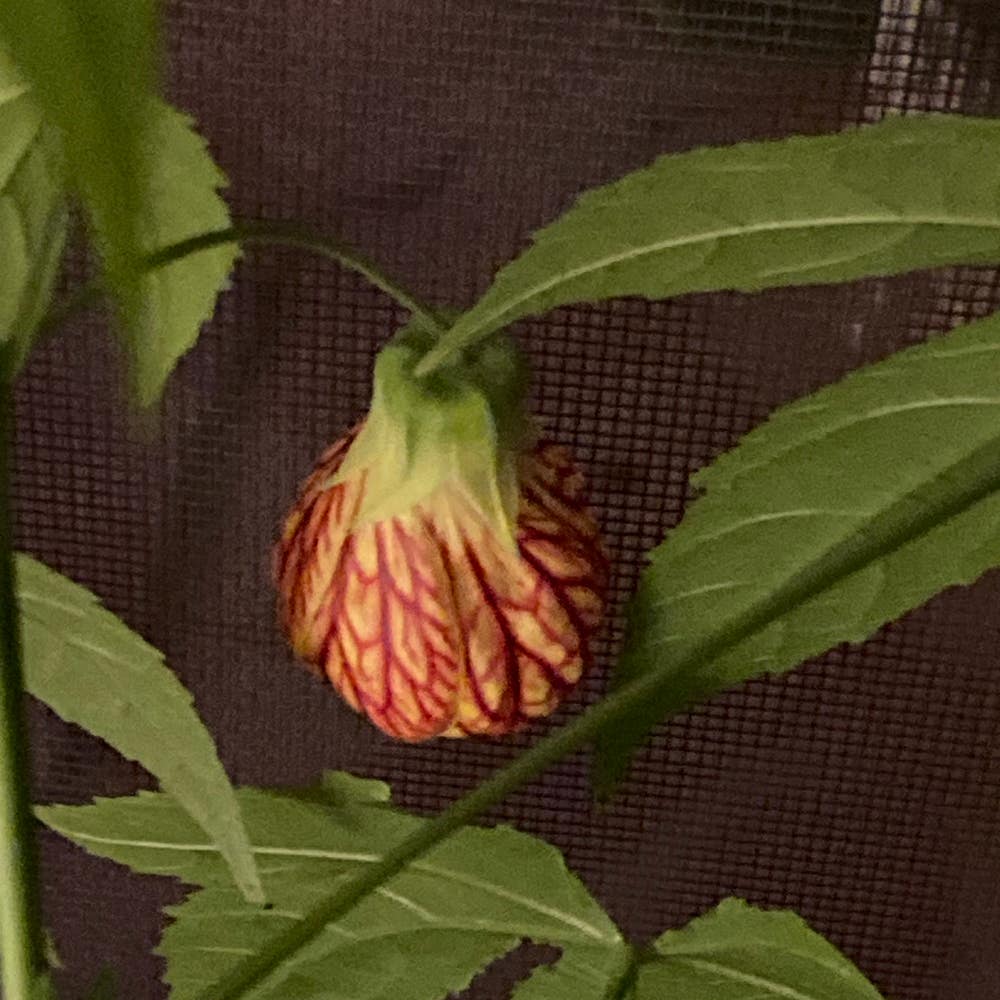
Abutilon 'Lucky Lantern Yellow'
By the Greg Editorial Team
Mar 04, 2024•3 min read
This article was created with the help of AI so we can cover more plants for you. May contain errors. See one? Report it here.
- Overwatering and underwatering both lead to droopy Flowering Maple leaves.
- 🌡️🌞 Stable environment is crucial; adjust light, temperature, and humidity.
- 🌱 Check roots and soil for health; use well-draining mix and pot.
Spotting the Culprits Behind the Droop
💦 Too Much Love: Overwatering Woes
If your Flowering Maple's leaves are soggy and limp, you might be loving it to death with water. Yellow leaves or a musty smell signal an SOS from your plant. Check if the soil feels like a wet sponge; if so, it's time to back off on the watering can.
🏜️ Not Enough Sips: The Thirsty Plant Plight
Leaves looking more deflated than your last party balloon? It's a sign your plant is thirsty. Soil pulling away from the pot edges is a clear cry for water. Remember, your plant prefers its soil like a moist cake, not a desert.
🌞 Feeling Stressed: Environmental Factors
Light and temperature fluctuations can send your plant into a slump. Leaves that are too light or have brown tips are begging for a stable environment. Keep your plant away from drafts and direct heat to avoid shocking its system.
First Aid for Your Floppy Foliage
💧 Fine-Tuning Your Watering Technique
Watering your Flowering Maple isn't about drenching it on a whim; it's about striking a balance. Check the top inch of soil; if it's dry, it's time to water. Do it evenly, covering the soil's surface to reach all roots. If your plant's had a near-death experience from drought, consider a 30-minute soak in lukewarm water.
🏡 Creating the Perfect Plant Pad
Your Flowering Maple's environment is a big deal. Light levels should be just right—not too much, not too little. Temperature and humidity need to be stable; think of your plant as a Goldilocks not wanting too hot, too cold, too dry, or too wet. Adjust these factors and watch your plant perk up like it's had a shot of espresso.
Rooting Out the Issues
🕵️ The Root of the Problem: Checking Below the Soil
When droopy leaves persist, it's time to play plant detective and check for root rot. Gently tilt and remove your Flowering Maple from its pot, being mindful not to play tug-of-war. Brush away the soil and examine the roots. Healthy roots boast a firm texture and a cream color. If they're dark, mushy, and smell like a forgotten gym sock, root rot has crashed the party.
🌱 Soil and Pot Perfection
The right soil and pot are like a good home for your plant's roots. Drainage holes are non-negotiable; they're the escape route for excess water. Opt for a well-draining, sterile potting mix over dense, water-retentive garden soil. If your plant's roots are swimming rather than sipping, it's time for a soil intervention. Consider a pot upgrade if the current one is cramping your plant's style—roots need space to breathe.
Keeping Leaves Lively and Lifted
💦 Consistency is Key: Routine Care
In the world of Flowering Maple care, consistency is your best friend. Like clockwork, establish a watering schedule that respects the plant's love for balance. Rotate your plant regularly to ensure even light exposure, preventing lopsided growth. Dusting isn't just for aesthetics; it's crucial for unobstructed photosynthesis.
🌱 Vigilance and Adaptation
Stay on your toes as the seasons shift. Your plant's needs will change as often as the weather does. Adapt your watering and care routine to match the plant's thirst and light requirements. Keep an eye out for pests and diseases; early detection means you can boot them out before they throw a party at your plant's expense. Remember, a consistent care routine is the Flowering Maple's armor against the droops.
⚠️ Safety First
This content is for general information and may contain errors, omissions, or outdated details. It is not medical, veterinary advice, or an endorsement of therapeutic claims.
Always consult a qualified healthcare professional before using any plant as food, medicine, or supplement.
Never eat any plant (or feed one to pets) without confirming its identity with at least two trusted sources.
If you suspect poisoning, call Poison Control (800) 222-1222, the Pet Poison Helpline (800) 213-6680, or your local emergency service immediately.
Spotted an error? Please report it here.
Banish droopy leaves and ensure your Flowering Maple thrives with Greg's custom watering plans and environment monitoring 🌿, tailored to keep your plant's environment perfectly balanced!