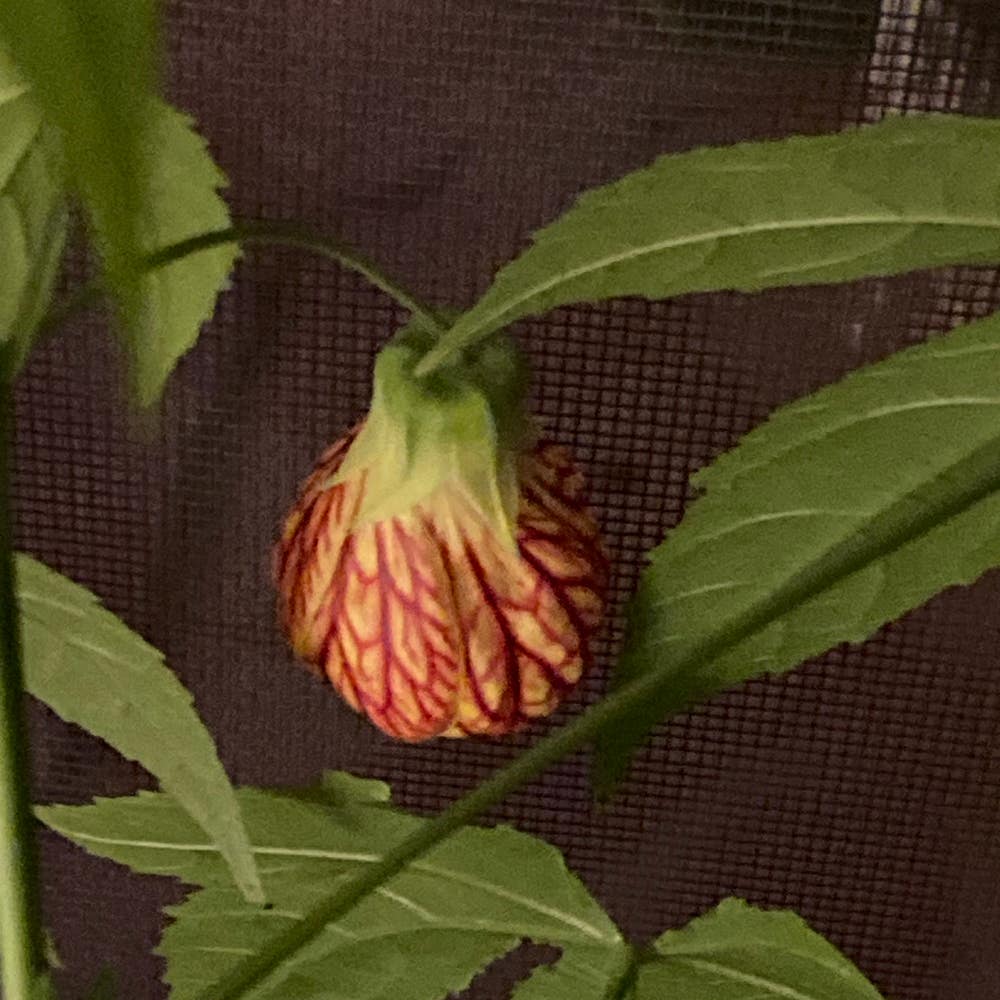
🍁 Why Your Flowering Maple Buds Are Falling Off
Abutilon 'Lucky Lantern Yellow'
By the Greg Editorial Team
Oct 17, 2024•4 min read
This article was created with the help of AI so we can cover more plants for you. May contain errors. See one? Report it here.
- 🌧️ Overwatering and underwatering cause premature flower drop in flowering maples.
- 🌱 Nutritional deficiencies in phosphorus and potassium lead to flower loss.
- 💡 Insufficient light exposure hinders blooming; optimize light for better flowers.
Premature Flower Drop
🌪️ Causes of Premature Flower Drop
Premature flower drop can be frustrating for any gardener. Understanding the causes is the first step toward a solution.
Environmental Stress Factors
Overwatering is a common issue. Symptoms include yellowing leaves and wilting, indicating that the roots are drowning.
Underwatering can be just as detrimental. Look for dry, crispy leaves and bud drop as signs that your plant is thirsty.
Nutritional Deficiencies
A lack of essential nutrients can also lead to flower drop. Specifically, phosphorus and potassium are crucial for healthy blooms.
Pest Infestations
Pests like aphids and spider mites can wreak havoc on your flowering maple. Regular checks can help you catch these infestations early.
🛠️ Solutions to Prevent Flower Drop
Now that you know the causes, let’s explore some effective solutions.
Adjusting Watering Practices
Start by adjusting your watering habits. Aim for consistent soil moisture, but avoid waterlogging to keep your roots happy.
Nutrient Amendments
Consider using balanced fertilizers that are high in phosphorus and potassium. This can help replenish any nutritional gaps your plant may have.
Pest Management Strategies
Implement regular inspections to catch pests before they cause significant damage. Organic pest control methods can be effective and safe for your plants.
By addressing these factors, you can help your flowering maple thrive and reduce the chances of premature flower drop. Next, let’s dive into why your plant might be failing to bloom altogether.
Failure to Bloom
🌞 Common Reasons for Failure to Bloom
If your flowering maple isn't blooming, it might be due to insufficient light exposure. These plants need a minimum of 6-8 hours of indirect sunlight daily to thrive.
Another common culprit is nutritional imbalances. Excess nitrogen can lead to lush foliage but fewer flowers, leaving you with a beautiful plant that just won't bloom.
🌸 Steps to Encourage Blooming
To encourage blooming, start by optimizing light conditions. If your plant isn't getting enough light, consider relocating it to a brighter area.
Next, adjust your fertilization routine. Switching to a bloom-boosting fertilizer with lower nitrogen can help redirect energy toward flower production.
Finally, don't forget about pruning. Removing old wood encourages flowering on new branches, giving your flowering maple the best chance to bloom beautifully.
By addressing these factors, you can help your flowering maple thrive and produce the blooms you desire. Now, let’s explore the environmental factors that affect flowering.
Abnormal Flower Development
🌼 Identifying Abnormal Flower Development
Abnormal flower development can be frustrating for any gardener. Look for signs like deformed flowers, which may appear misshapen or stunted, and color changes, where blooms fade or display unusual hues.
🛠️ Remedies for Abnormal Flower Growth
🌍 Assessing Environmental Conditions
Start by evaluating your plant's environment. Ensure it receives adequate light, maintains optimal temperature, and has the right humidity levels.
🍽️ Nutritional Adjustments
Next, consider nutritional adjustments. Implement soil amendments to correct any deficiencies that could be affecting flower quality.
🐛 Monitoring for Pests
Finally, keep an eye out for pests. Regularly check for signs of infestations that might compromise the health of your flowers.
By addressing these factors, you can help your flowering maple thrive and produce beautiful blooms. Transitioning to the next topic, let’s explore how environmental factors like light and temperature play a crucial role in flowering success.
Environmental Factors Affecting Flowering
🌞 Light Requirements
Importance of Adequate Light
Light is crucial for your flowering maple's bloom cycle. It fuels photosynthesis, enabling the plant to produce the energy needed for vibrant flowers.
🍽️ Nutritional Needs
Essential Nutrients for Flowering
To thrive, flowering maples require specific nutrients. Phosphorus is vital for promoting root and flower growth, while potassium enhances flower quality and resilience.
🌡️ Temperature and Humidity
Ideal Temperature Ranges for Flowering
Maintaining the right temperature is key to successful flowering. Aim for daytime temperatures between 20°C to 25°C (68°F to 77°F) and ensure nighttime temperatures are slightly cooler for optimal results.
Understanding these environmental factors can significantly impact your flowering maple's health and blooming potential. Next, let’s explore effective pruning techniques to further enhance your plant's growth.
Pruning and Maintenance
🌿 Pruning Techniques
Best Practices for Pruning Flowering Maple
Pruning your flowering maple is essential for promoting healthy growth and vibrant blooms. The best time to prune is right after flowering, allowing the plant to focus its energy on new growth.
Using clean, sharp tools is crucial. This prevents damage and reduces the risk of disease, ensuring your plant remains healthy and thriving.
📅 Seasonal Considerations
How Seasonal Changes Affect Flowering
Seasonal changes significantly impact your flowering maple's bloom cycle. Temperature fluctuations can stress the plant, affecting its ability to produce flowers.
Adjusting your care routine based on the seasons is vital. For instance, during warmer months, ensure adequate watering and nutrients, while in cooler months, reduce watering to prevent root rot.
With these practices, your flowering maple will not only survive but flourish, bringing beauty to your space.
⚠️ Safety First
This content is for general information and may contain errors, omissions, or outdated details. It is not medical, veterinary advice, or an endorsement of therapeutic claims.
Always consult a qualified healthcare professional before using any plant as food, medicine, or supplement.
Never eat any plant (or feed one to pets) without confirming its identity with at least two trusted sources.
If you suspect poisoning, call Poison Control (800) 222-1222, the Pet Poison Helpline (800) 213-6680, or your local emergency service immediately.
Spotted an error? Please report it here.
Keep your flowering maple blooming beautifully 🌸 by using Greg's personalized care reminders to optimize watering, nutrition, and light conditions for thriving flowers!