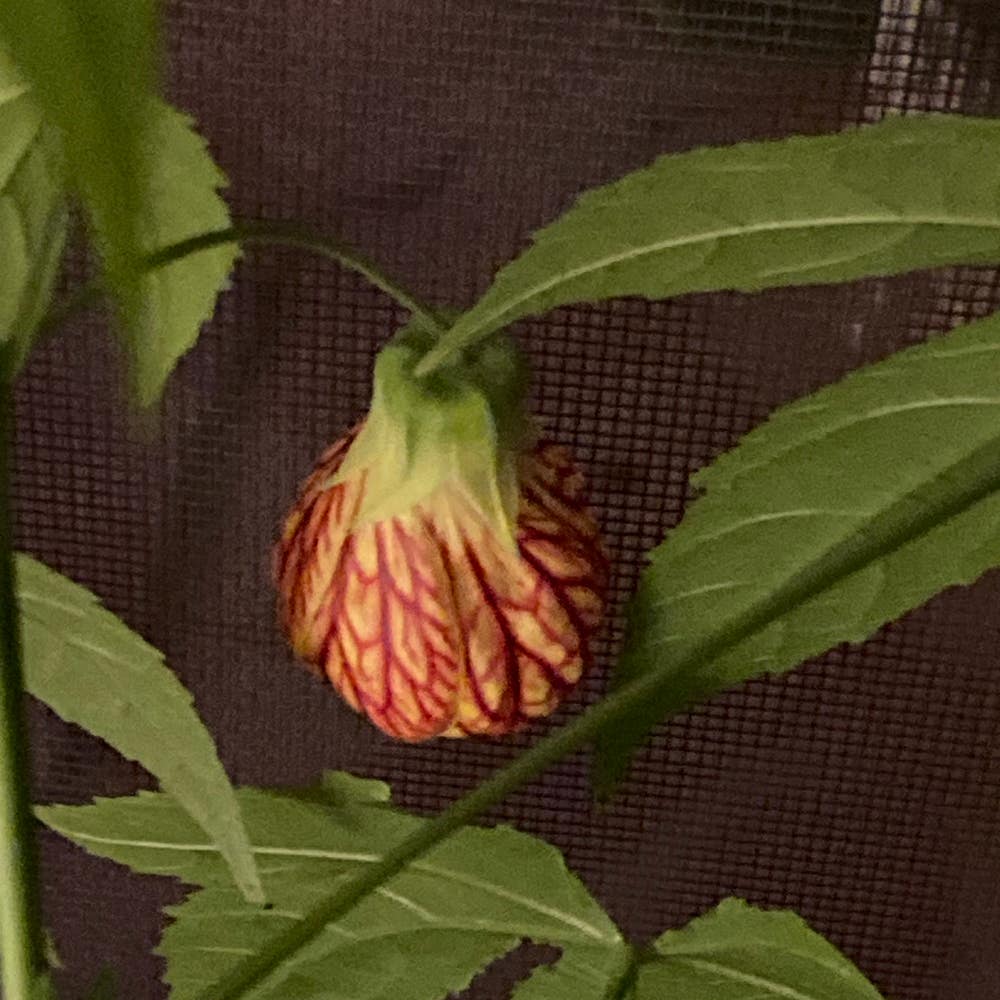
🌳 Flowering Maple Growth: Height vs. Width
Abutilon 'Lucky Lantern Yellow'
By the Greg Editorial Team
Oct 17, 2024•5 min read
This article was created with the help of AI so we can cover more plants for you. May contain errors. See one? Report it here.
- 🌳 Flowering Maples grow 3-10 feet tall and 2-6 feet wide, depending on conditions.
- 🌞 Optimal light and soil are crucial for healthy growth and size.
- ✂️ Regular pruning maintains desired height and encourages bushiness in Flowering Maples.
Mature Height and Width
Typical Mature Dimensions 🌳
Flowering Maples can reach impressive heights, typically ranging from 3 to 10 feet. The width varies between 2 to 6 feet, influenced by factors like pruning and environmental conditions.
Factors Influencing Mature Height 📏
Different varieties of Flowering Maple exhibit distinct growth patterns. Some naturally grow taller or shorter, while environmental factors such as soil quality, light exposure, and watering practices significantly impact their final dimensions.
Understanding these aspects can help you choose the right variety for your garden. Whether you're aiming for a compact plant or a towering feature, knowing the typical dimensions and influencing factors is key to successful cultivation.
As you explore the growth potential of Flowering Maples, consider how these factors interplay to shape your gardening experience. Next, we’ll delve into the growth rate and time it takes for these beautiful plants to reach maturity.
Growth Rate and Time to Maturity
🌱 Understanding Growth Rate
Flowering Maples are known for their moderate to fast growth rates, which can vary based on the specific variety and growing conditions. Most varieties typically reach their full size within 3 to 5 years, making them a relatively quick addition to your garden.
🌍 Factors Affecting Growth Rate
Several environmental factors significantly influence the growth rate of Flowering Maples. Temperature, humidity, and soil nutrients are crucial; optimal conditions can lead to impressive growth.
📈 Seasonal Growth Patterns
Spring and summer are the peak growth periods for these plants. During these warmer months, you'll notice a burst of new growth, making it an exciting time to observe their development.
Understanding these growth dynamics can help you plan your garden layout effectively. By choosing the right variety and providing optimal conditions, you can enjoy a flourishing Flowering Maple in no time.
Next, let’s explore the size variability among different Flowering Maple varieties.
Size Variability Among Varieties
🌱 Dwarf and Giant Varieties
Flowering Maples come in a range of sizes, making them versatile for different gardening needs. Dwarf varieties typically reach heights of 1 to 3 feet, boasting a compact growth habit that makes them perfect for container gardening or small spaces.
On the other hand, giant varieties can exceed 10 feet, featuring larger flowers and leaves. These impressive plants serve as stunning focal points in any landscape, creating a dramatic visual impact.
📏 Comparison of Growth Habits Among Varieties
Growth habits vary significantly among Flowering Maple varieties. Some exhibit a bushy growth pattern, filling out beautifully, while others tend to grow more upright, adding vertical interest to your garden.
Understanding these differences is crucial for selecting the right variety. Whether you're looking to fill a small nook or make a bold statement, knowing the growth habits will guide your choice effectively.
With this knowledge, you can confidently choose a Flowering Maple that fits your garden's unique needs and aesthetic. Next, let’s explore how growing conditions can further influence the size and health of these beautiful plants.
Influence of Growing Conditions
🌱 Impact of Soil Quality on Size
Soil quality plays a pivotal role in the growth of Flowering Maple. Well-draining, nutrient-rich soil is essential for optimal growth, allowing roots to thrive and absorb necessary nutrients.
The ideal soil pH for these plants ranges from slightly acidic to neutral, specifically between 6.0 and 7.0. This balance ensures that the plant can efficiently take up nutrients, promoting healthy growth.
☀️ Effects of Light Exposure on Growth
Light exposure significantly influences the size of Flowering Maple. These plants thrive in full sun to partial shade, with more light typically resulting in larger, more robust specimens.
Aim for 6 to 8 hours of direct sunlight daily. This duration encourages vigorous growth, leading to a more vibrant and lush appearance.
💧 Watering Practices and Their Influence on Dimensions
Watering practices are crucial for maintaining the size and health of Flowering Maple. Consistent moisture is key; however, overwatering can stunt growth and lead to root issues.
On the flip side, insufficient water can result in reduced size and vigor. Striking the right balance is essential for a thriving plant that meets your garden's aesthetic needs.
Understanding these growing conditions will help you cultivate a flourishing Flowering Maple that enhances your landscape beautifully.
Pruning and Size Control
Techniques for Controlling Height 🌱
Controlling the height of your Flowering Maple is essential for maintaining its shape and fit within your garden. One effective method is pinching back new growth; this easy technique encourages bushiness and keeps the plant at a manageable height.
For a more targeted approach, consider selective pruning. By removing taller stems, you can maintain your desired height while promoting a balanced appearance. This method requires a bit more skill but can yield fantastic results.
Methods for Managing Width 📏
Managing the width of your Flowering Maple is just as important as controlling its height. Thinning is a great technique; by removing inner branches, you improve air circulation and help the plant maintain a more compact form.
Another effective method is shaping. Using pruning shears, you can sculpt the plant to achieve a fuller appearance, ensuring it fits beautifully in your landscape.
Seasonal Timing for Pruning 🗓️
Timing is crucial when it comes to pruning. The best time to prune your Flowering Maple is late winter to early spring, just before new growth begins. This timing allows the plant to recover quickly and thrive.
Regular annual pruning is key to maintaining both size and shape. By incorporating this practice into your gardening routine, you’ll ensure your Flowering Maple remains healthy and visually appealing.
With these pruning techniques and timing strategies, you can effectively manage the size of your Flowering Maple, ensuring it thrives in your garden. Next, let’s explore how various growing conditions can further influence the dimensions of this beautiful plant.
⚠️ Safety First
This content is for general information and may contain errors, omissions, or outdated details. It is not medical, veterinary advice, or an endorsement of therapeutic claims.
Always consult a qualified healthcare professional before using any plant as food, medicine, or supplement.
Never eat any plant (or feed one to pets) without confirming its identity with at least two trusted sources.
If you suspect poisoning, call Poison Control (800) 222-1222, the Pet Poison Helpline (800) 213-6680, or your local emergency service immediately.
Spotted an error? Please report it here.
Unlock the full potential of your Flowering Maples with Greg's tailored care tips 🌳, ensuring they flourish beautifully in your garden!