💧 How Much Humidity Does My Flowering Maple Need?
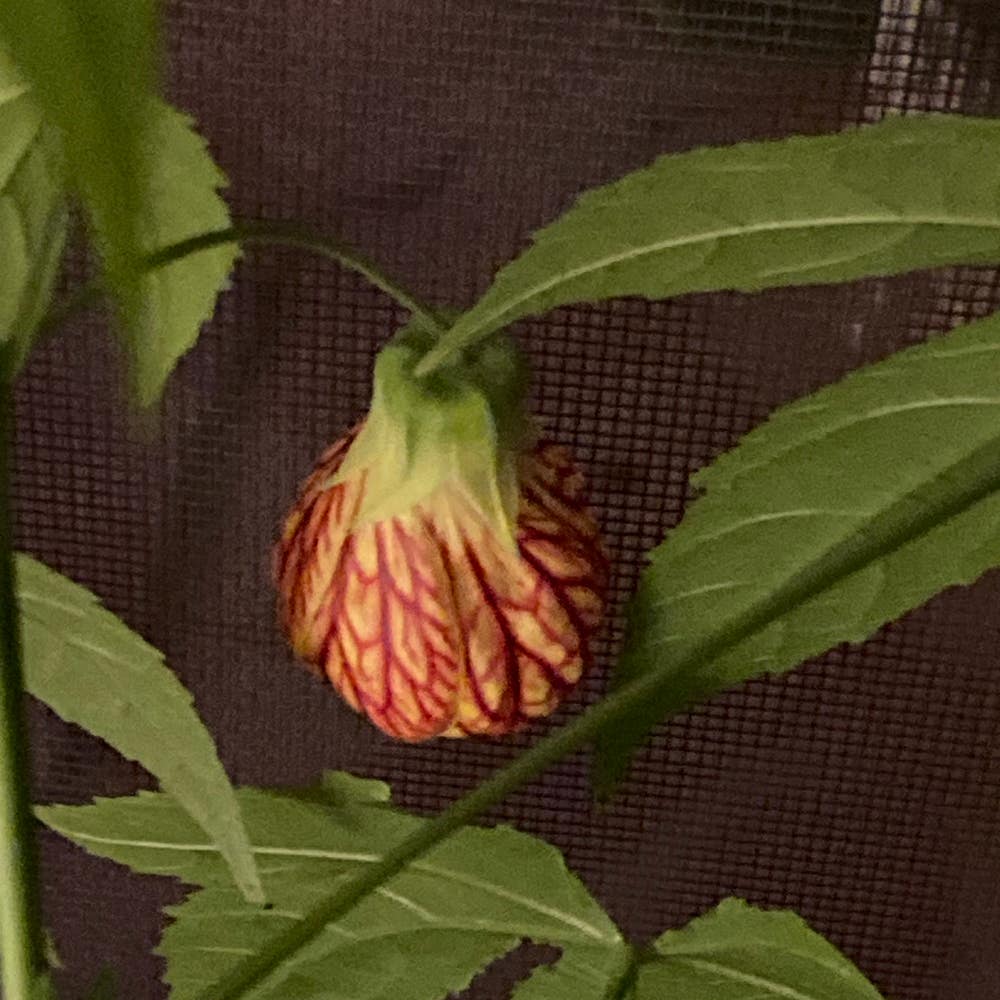
Abutilon 'Lucky Lantern Yellow'
By the Greg Editorial Team
Mar 04, 2024•3 min read
This article was created with the help of AI so we can cover more plants for you. May contain errors. See one? Report it here.
- 40-50% humidity ideal for Flowering Maple's vibrant blooms.
- 🌡️ Use a hygrometer to accurately monitor humidity levels.
- Humidifiers and pebble trays help maintain perfect moisture.
Nailing the Perfect Humidity for Your Flowering Maple
🌿 What's the Sweet Spot?
Flowering Maple thrives in a humidity range that's just right—not too muggy, not too arid. 40-50% relative humidity hits the bullseye for those vibrant blooms. Stray outside this zone, and you're asking for trouble, be it leaf crispiness or a full-on fungal rave.
📏 Measuring Up
To avoid playing a guessing game with your Flowering Maple's health, arm yourself with a hygrometer. This gadget is like a personal weather station for your plant's microclimate. Keep it near your plant, but away from deceptive drafts or sunbeams that could skew the readings. Regular checks are crucial; humidity can swing faster than moods at a middle school dance. And if you're really into it, jot down the highs and lows in a log—it's like a diary for your plant's comfort, minus the teenage angst.
When the Air's Too Dry: Boosting Humidity for Flowering Maple
💦 Humidifier: Your Plant's Best Friend
Flowering Maples are not just pretty faces; they demand the right humidity to strut their stuff. A humidifier can be the backstage crew that ensures your plant's performance is top-notch. It's about giving your Flowering Maple a consistent misty environment, not a rainforest deluge. Positioning is key—close enough to feel the moisture, yet far enough to avoid waterlogging.
🌿 Natural Boosters
If you're not into tech gadgets, go old school. Grouping plants together is like throwing a party where everyone brings moisture. It's a simple trick that creates a communal microclimate, making your Flowering Maple feel like it's part of a tropical clique. And don't forget the pebble tray trick; it's a classic for a reason. Just add water to a tray of pebbles and let evaporation do the rest. Plus, it's a neat little decor piece. Keep the water fresh, though, unless you're into breeding mosquitoes.
When It's a Moisture Overload: Reducing Humidity
💨 Clear the Air
Dehumidifiers are your Flowering Maple's lifeline when it feels like it's living underwater. These gadgets suck out excess moisture, preventing your plant from developing that not-so-chic mildew look. Fans are another ally, stirring up a breeze to keep the air from getting too clingy. Think of them as your plant's personal space enforcers.
⚖️ The Balancing Act
Watering habits need a second glance when you're swimming in humidity. Let the soil dry out a bit more between waterings—your Flowering Maple doesn't need to drink from a full cup all the time. Soil choice also plays a part; opt for a mix that drains well to avoid soggy roots. It's like choosing the right pair of boots for a rainy day—no one likes wet feet.
Keeping Tabs on Humidity: Tools and Tips
🌡️ Gadgets Galore
Hygrometers are the MVPs of humidity monitoring, giving you the lowdown on the air your Flowering Maple is breathing. Digital or analog, it doesn't matter—as long as it's accurate. Place it near your plant, but steer clear of direct sun or drafts to avoid wonky readings.
🌬️ Quick Fixes
Seasonal swings in humidity can wreak havoc on your plant's vibe. In the Sahara-like winter air, try a pebble tray or group your green gang together to create a mini oasis. Come the swampy summer, crack a window or let a fan whirl to keep things cool. Remember, your plant's comfort is a balancing act—keep that hygrometer handy and adjust on the fly.
⚠️ Safety First
This content is for general information and may contain errors, omissions, or outdated details. It is not medical, veterinary advice, or an endorsement of therapeutic claims.
Always consult a qualified healthcare professional before using any plant as food, medicine, or supplement.
Never eat any plant (or feed one to pets) without confirming its identity with at least two trusted sources.
If you suspect poisoning, call Poison Control (800) 222-1222, the Pet Poison Helpline (800) 213-6680, or your local emergency service immediately.
Spotted an error? Please report it here.
Keep your Flowering Maple in peak bloom 🌦 by using Greg to monitor and adjust your plant's humidity, ensuring it's always in the ideal range.