Why Are My Flowering Maple Leaves Falling Over?
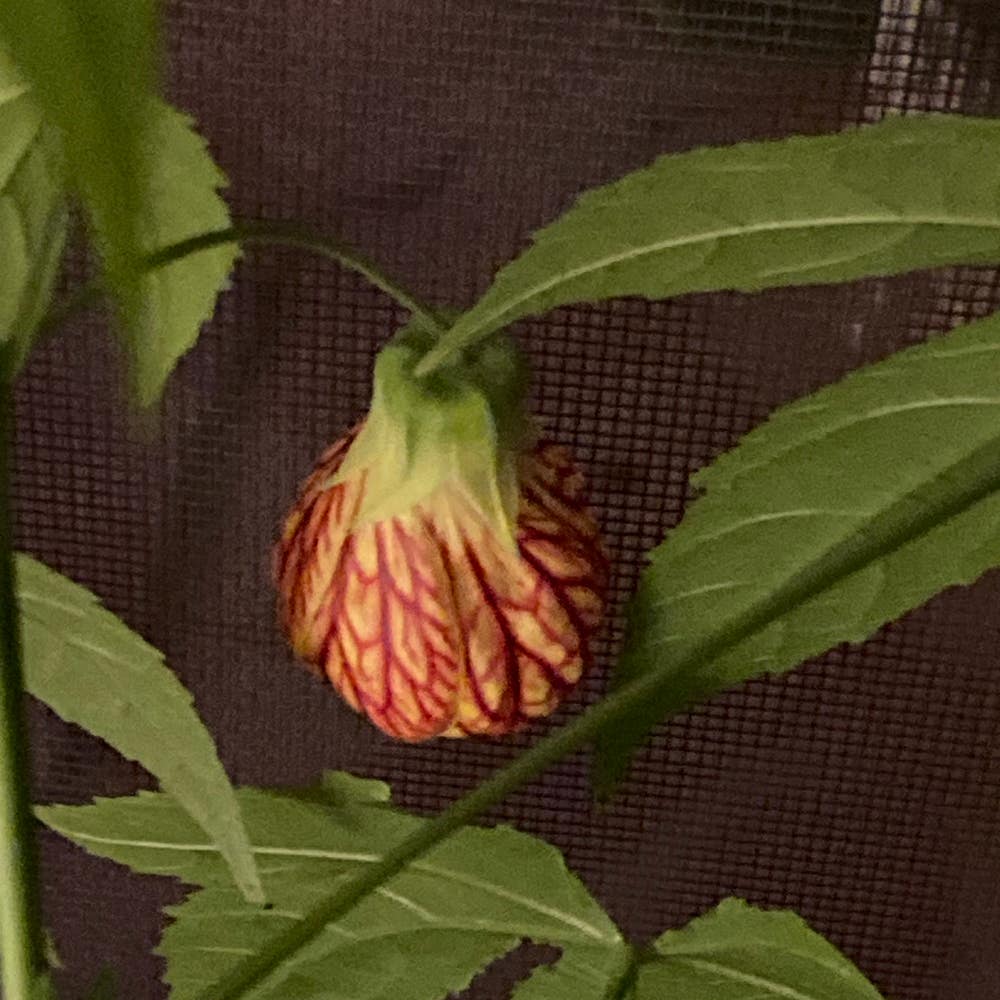
Abutilon 'Lucky Lantern Yellow'
By the Greg Editorial Team
Mar 04, 2024•5 min read
This article was created with the help of AI so we can cover more plants for you. May contain errors. See one? Report it here.
- Over/underwatering? Check for yellow leaves or crispy brown edges.
- 🌱 Well-draining soil and pots prevent root rot and leaf droop.
- ✂️ Prune post-flowering to prevent overburden and promote health.
Spotting the Signs of Trouble
💧 Identifying Overwatering Symptoms
Yellow leaves and a heavy pot may indicate overwatering. If the soil emits a foul smell or the roots appear mushy, it's a red flag. Moldy soil and wilted leaves that feel mushy are also telltale signs. To check for waterlogged soil, see if it clings to your finger like a wet sponge.
🌡️ How to Test Soil Moisture Correctly
Use a soil moisture meter or the finger test to gauge soil moisture. The top two inches should be your guide—if they're dry, it's time to water. This helps avoid the guesswork and potential overwatering.
🏜️ Recognizing Underwatering Issues
Crispy brown leaves and wilting are cries for hydration. If the soil feels like a desert, your Flowering Maple is likely underwatered. Leaf loss can also be a symptom of insufficient watering.
💦 The Balance Between Too Much and Too Little Water
Finding the right balance is crucial. Overwatering can lead to root rot, while underwatering stresses the plant. Regularly monitor the soil and adjust your watering habits to maintain moist, not soggy or bone-dry, soil conditions.
Nailing the Watering Routine
💧 Perfecting Watering Frequency
Seasonal adjustments are crucial for your Flowering Maple's hydration. In the summer, your plant's thirst spikes with the temperature, so you'll need to water more frequently. Come winter, it's time to ease up as growth slows and the plant's water needs diminish.
Soil moisture is your trusty sidekick in this watering quest. Forget marking calendars; your plant doesn't wear a watch. Instead, do the finger test: plunge an inch into the soil, and if it feels like a dry martini, it's time to water. If it's damp, hold off and check again later.
🚰 Drainage: The Unsung Hero
Well-draining soil isn't just nice to have; it's a lifesaver for your Flowering Maple. Without it, you're practically inviting root rot to a house party in your pot. To improve drainage, mix in some perlite or coarse sand. Think of it as adding bubbles to a bath—it keeps things light and airy.
Pot selection is not just about aesthetics. Those drainage holes at the bottom? They're an escape route for excess water. Terracotta pots are the bouncers of the pot world, letting soil breathe and preventing water from overstaying its welcome. If you've been using a pot without holes, it's time for an upgrade.
Creating a Leaf-Friendly Environment
🛡️ Shielding from Environmental Stress
Temperature stability is crucial for the Flowering Maple. Sudden changes can cause leaves to droop as if they've given up on life. Keep it consistent; avoid placing your plant near drafty windows or heat sources that could trigger a plant meltdown.
Drafts are the silent leaf killers. Position your Flowering Maple away from open windows or doors where gusts can play havoc with its leaves. Think of it as setting up a no-draft zone, a little bubble where your plant can pretend it's always spring.
💦 Adjusting Humidity Levels for Flowering Maple Comfort
Flowering Maples aren't fans of the desert. They appreciate a humidity level that doesn't leave them gasping. If your air is drier than a stand-up comedian's wit, consider a humidifier or a pebble tray to up the moisture game.
Remember, your plant doesn't want to swim either. Too much humidity and you'll have a different set of problems, like fungal infections that are as welcome as ants at a picnic. Aim for that sweet spot where the air feels like a gentle morning dew.
🌞 The Right Light for Right Growth
Bright, indirect light is the Flowering Maple's best friend. It's like a cozy chat by the fireplace, not too intense but warm and inviting. Direct sunlight? That's a no-go unless you want leaves that look like they've been in a tanning bed too long.
As the seasons change, so should your plant's position. The sun has moods, and your Flowering Maple needs to move with them. In winter, cozy up to the window; in summer, play it cool in the shade. It's a dance, and you're leading. Keep the rhythm smooth, and your plant will follow.
When to Intervene with Pruning
🌱 Strategic Pruning to Prevent Overburden
Pruning your Flowering Maple isn't just about keeping up appearances; it's a vital maintenance step. Overgrowth can cause leaves to fall over, so it's time to play plant surgeon. Trim away excess growth to redistribute the plant's energy and prevent that droopy, overburdened look.
🌿 Pruning Techniques that Promote Healthy Foliage
Get your shears ready but don't channel your inner Edward Scissorhands. Focus on removing dead or yellowing leaves that are just freeloading on the plant's resources. Snip overcrowded stems to give the remaining foliage room to breathe. Always cut above a leaf node to encourage new growth but remember, less is more. Going overboard with pruning can stress your plant out, so stick to what's necessary.
🕰 Timing Is Everything
August to December is a delicate time; heavy pruning could lead to new growth that's vulnerable to frost. Stick to removing the dead or damaged bits during this period. Post-flowering is the ideal time for making those strategic cuts, as it's the plant's downtime.
🔪 The Right Tools for the Job
Use sharp shears for clean cuts and avoid tearing the plant's tissue. And please, for the love of greenery, don't prune more than a third of the plant in one go. It's not a race to the finish line; it's about keeping your Flowering Maple healthy and upright.
⚠️ Safety First
This content is for general information and may contain errors, omissions, or outdated details. It is not medical, veterinary advice, or an endorsement of therapeutic claims.
Always consult a qualified healthcare professional before using any plant as food, medicine, or supplement.
Never eat any plant (or feed one to pets) without confirming its identity with at least two trusted sources.
If you suspect poisoning, call Poison Control (800) 222-1222, the Pet Poison Helpline (800) 213-6680, or your local emergency service immediately.
Spotted an error? Please report it here.
Keep your Flowering Maple thriving 🍁 with Greg's personalized care reminders, ensuring the perfect balance of water, light, and pruning—no more guesswork!