Why Are There Black Spots on My Flowering Maple Leaves?
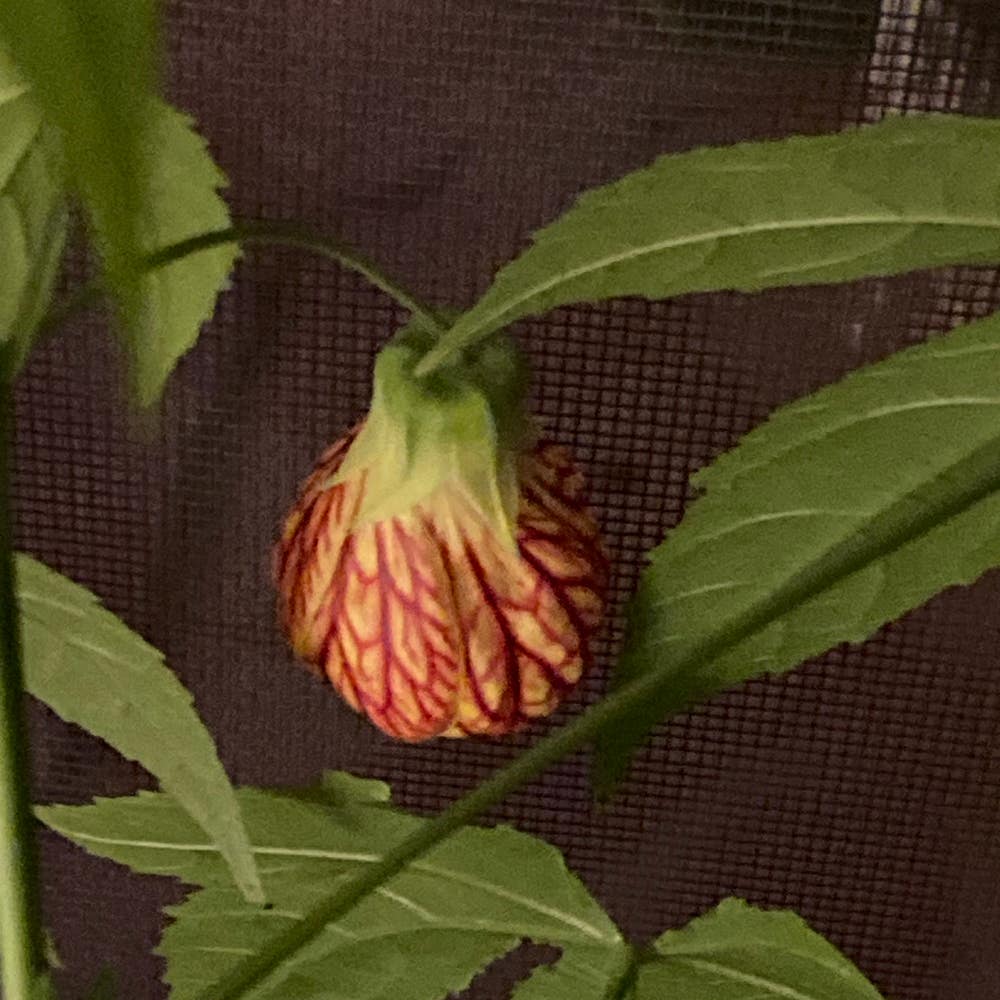
Abutilon 'Lucky Lantern Yellow'
By the Greg Editorial Team
Mar 04, 2024•3 min read
This article was created with the help of AI so we can cover more plants for you. May contain errors. See one? Report it here.
- Black spots hinder photosynthesis, affecting plant growth and vitality.
- 🌱 Prevent with morning watering and good air circulation.
- Neem oil and potassium bicarbonate are natural treatments; commercial fungicides as a last resort.
Spotting the Trouble: Recognizing Black Spots on Your Plant
🕵️♂️ Visual Cues: What do Black Spots Look Like on Flowering Maple?
Black spots on Flowering Maple leaves are the plant's version of a distress signal. They can appear as tiny dots or evolve into larger patches, sometimes merging into a larger area of discoloration. These spots are typically irregular in shape, contrasting with the natural patterns of the leaf, and may have a rough texture. They're not picky about location; you'll find them on the top or bottom of leaves, from the base to the tip.
📈 Progression and Impact: How Black Spots Can Affect the Health of Your Plant
The presence of black spots can be more than a cosmetic issue; it's a sign that your plant's health is at risk. These spots can hinder photosynthesis, leading to stunted growth and reduced vitality. Without intervention, they can spread, potentially turning your lush Flowering Maple into a shadow of its former self. Regular inspections are key—catching these spots early can make a significant difference in managing the problem effectively.
Section
Nipping It in the Bud: Preventing Black Spots Before They Start
💧 Water Wisdom
Timing is crucial when watering your Flowering Maple. Early morning is the sweet spot, allowing the sun to dry any stray droplets on the foliage. Direct your water at the base of the plant to prevent moisture from lingering on the leaves, which invites fungal growth.
💨 Breezy Business
Good air circulation is a secret weapon against black spots. Position your plant where the air can move freely, but avoid placing it in a drafty spot. Prune regularly to thin out dense foliage, which improves airflow and reduces the humidity around the leaves. Remember to use sterilized pruning tools to prevent the spread of any potential infection.
Regularly check the humidity levels around your Flowering Maple. If it's too high, consider spacing out your plants or using a dehumidifier to keep the air around your plant less inviting to fungi. Saucers under pots should be emptied to avoid soggy soil conditions.
Turning Over a New Leaf: Effective Treatment Strategies
🌿 Going Green: Using Natural Fungicides
Neem oil is a natural fungicide derived from the Azadirachta indica tree. To apply, dilute as instructed and coat all leaf surfaces thoroughly. It's a marathon, not a sprint; expect gradual results.
Potassium bicarbonate is another plant-friendly option. It alters the pH on leaf surfaces, making them less hospitable to fungi. Use according to the label's guidelines for best outcomes.
☣️ Chemical Warfare: When to Consider Commercial Fungicides
When the organic route isn't cutting it, it's time for the heavy hitters. Choose commercial fungicides with care, focusing on those appropriate for Flowering Maple. Always prioritize safety—suit up in protective gear and follow the label to the letter.
Application tips are crucial for success. Apply evenly, ensuring every nook and cranny is covered—think of it as armor for your plant. Rotate products to prevent pathogen resistance, like updating your passwords to stay ahead of hackers.
⚠️ Safety First
This content is for general information and may contain errors, omissions, or outdated details. It is not medical, veterinary advice, or an endorsement of therapeutic claims.
Always consult a qualified healthcare professional before using any plant as food, medicine, or supplement.
Never eat any plant (or feed one to pets) without confirming its identity with at least two trusted sources.
If you suspect poisoning, call Poison Control (800) 222-1222, the Pet Poison Helpline (800) 213-6680, or your local emergency service immediately.
Spotted an error? Please report it here.
Keep your Flowering Maple spot-free 🍁 with Greg's custom care plans that help you manage light, water, and humidity for healthier plants.