Why Are There Brown Spots on My Flowering Maple Leaves?
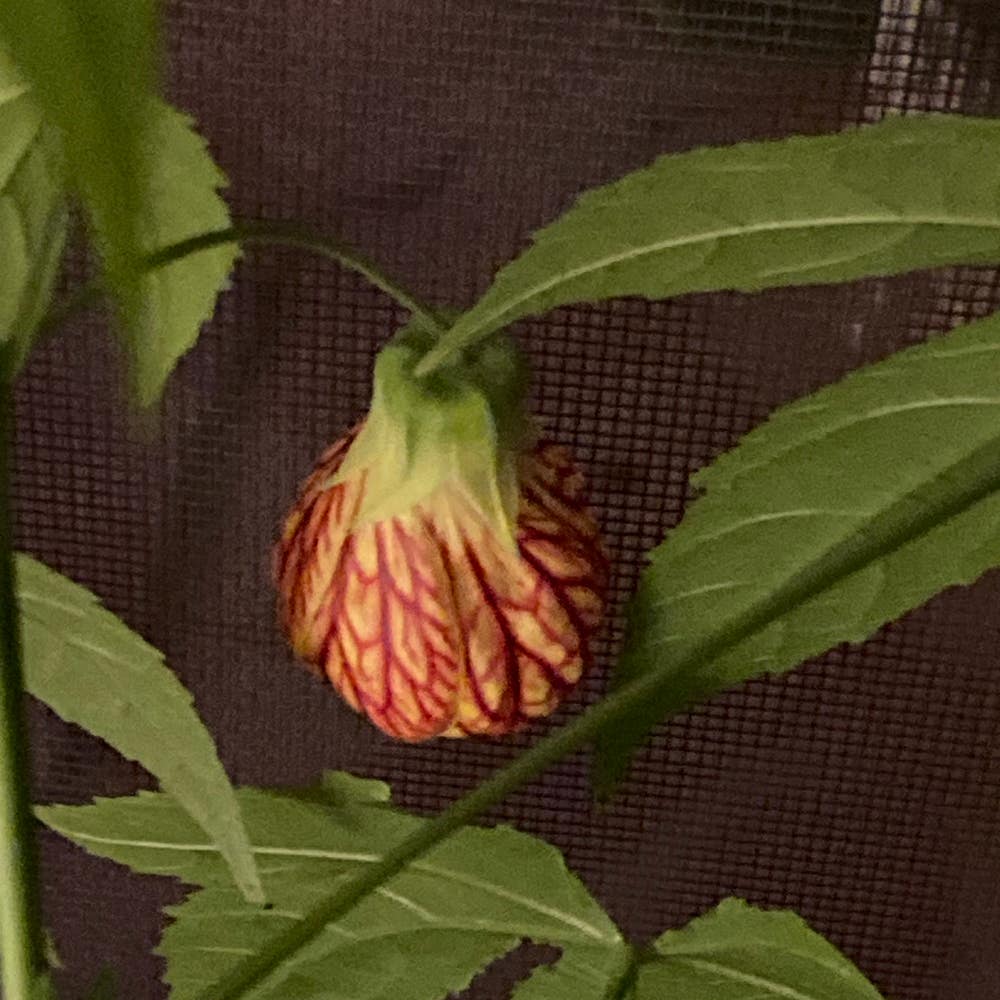
Abutilon 'Lucky Lantern Yellow'
By the Greg Editorial Team
Mar 04, 2024•4 min read
This article was created with the help of AI so we can cover more plants for you. May contain errors. See one? Report it here.
- Brown spots vary in size, edge sharpness, and texture.
- Watering balance is key to prevent and treat brown spots.
- Regular checks and environment control keep your Maple healthy.
Spotting the Trouble: Identifying Brown Spots
🍂 What Do Brown Spots Look Like?
Brown spots on Flowering Maple leaves can range from tiny speckles to large blotches. Their edges may be sharp or fuzzy, and the texture can be a telling sign—either crispy or slimy. These spots might be surrounded by yellow halos, suggesting different underlying issues. If the spots are accompanied by changes in leaf texture or a decline in plant vigor, it's a signal to investigate further.
🕵️♂️ Where to Look?
Inspect both mature and new leaves for brown spots. They may appear on the leaf's surface, edges, or near the veins. Look for patterns: are the spots scattered randomly or do they follow a specific order? Consistency in spotting can help differentiate between natural leaf variations and potential problems. Regularly checking your Flowering Maple is key to early detection and management of these blemishes.
Rooting Out the Causes
💧 Water Woes: Over or Under?
Watering is a delicate balance; too much, and you risk root rot, too little, and your plant's leaves crisp up like toast. Brown spots often signal that you've tipped the scales. Check the soil moisture with your finger—soggy soil means you've gone overboard, while bone-dry dirt points to underwatering. Adjust accordingly, and watch for changes.
🐜 Uninvited Guests: Pests and Diseases
Pests are like the worst kind of party crashers, leaving a mess of brown spots in their wake. Spider mites, aphids, and mealybugs are the usual suspects. Diseases aren't far behind, with fungi and bacteria thriving in the damp aftermath of overwatering. Look for spots with yellow or red edges, a telltale sign of these microbial gatecrashers. Quick action with insecticidal soap or fungicide can help evict these unwelcome guests.
Nursing Your Maple Back to Health
💧 Adjusting Your Watering Habits
Watering your Flowering Maple correctly is crucial. Overwatering can suffocate roots, while underwatering can dehydrate them. To strike the right balance, feel the soil. If it's damp, hold off on watering. If it's dry, it's time to quench your plant's thirst. Remember, the goal is consistency—think of watering like a steady rhythm in your favorite song, not a sporadic drum solo.
🐜 Pest Control: Evicting the Intruders
Pests love a good plant buffet, and your Flowering Maple is no exception. Spider mites, whiteflies, and aphids can all cause brown spots. To show these pests the door, start with a water blast to knock them off. Follow up with insecticidal soap or neem oil for a one-two punch. Regular applications are key; pests are tenacious, and a single treatment is about as useful as a screen door on a submarine. Keep an eye out for new invaders and act swiftly to maintain your plant's health.
Keeping Brown Spots at Bay
🌿 The Right Environment for Your Maple
Creating the ideal environment for your Flowering Maple is crucial in preventing brown spots. Consistent humidity levels between 40-60% are your target; this isn't just a suggestion, it's a necessity. Think of it as the sweet spot—too dry, and your plant throws a tantrum with spots; too moist, and you're practically inviting fungal gate crashers.
Temperature stability is non-negotiable. Avoid dramatic shifts that stress your plant out. It's like expecting a fish to ride a bicycle—just doesn't work. For lighting, bright but indirect is the mantra. Direct sunlight is the enemy, akin to putting your plant in the middle of a dance floor at noon—just too intense.
👀 Vigilance and Care: Routine Checks
Routine checks are your eyes on the ground. Inspect regularly, like it's part of your daily scrolling ritual. New spots? Act fast. It's not paranoia; it's proactive plant parenting. Quarantine new plants like they're potential double agents until you're sure they're clean.
Airflow is your silent ally. Don't let your plants get too cozy with each other; overcrowding leads to a moisture fest, and before you know it, brown spots are crashing the party. Think of it as needing enough space for an impromptu dance-off—everyone needs room to move.
Regular pruning isn't just a haircut; it's a strategic strike against potential brown spot breeding grounds. And remember, cleanliness is next to godliness. Keep your tools sanitized and give new or sick plants a timeout. It's the plant equivalent of handwashing in flu season—simple but effective.
⚠️ Safety First
This content is for general information and may contain errors, omissions, or outdated details. It is not medical, veterinary advice, or an endorsement of therapeutic claims.
Always consult a qualified healthcare professional before using any plant as food, medicine, or supplement.
Never eat any plant (or feed one to pets) without confirming its identity with at least two trusted sources.
If you suspect poisoning, call Poison Control (800) 222-1222, the Pet Poison Helpline (800) 213-6680, or your local emergency service immediately.
Spotted an error? Please report it here.
Keep your Flowering Maple spotless 🍁 with Greg's custom watering reminders and expert care tips to prevent those pesky brown spots.