Symbolism and Benefits of the Flowering Maple
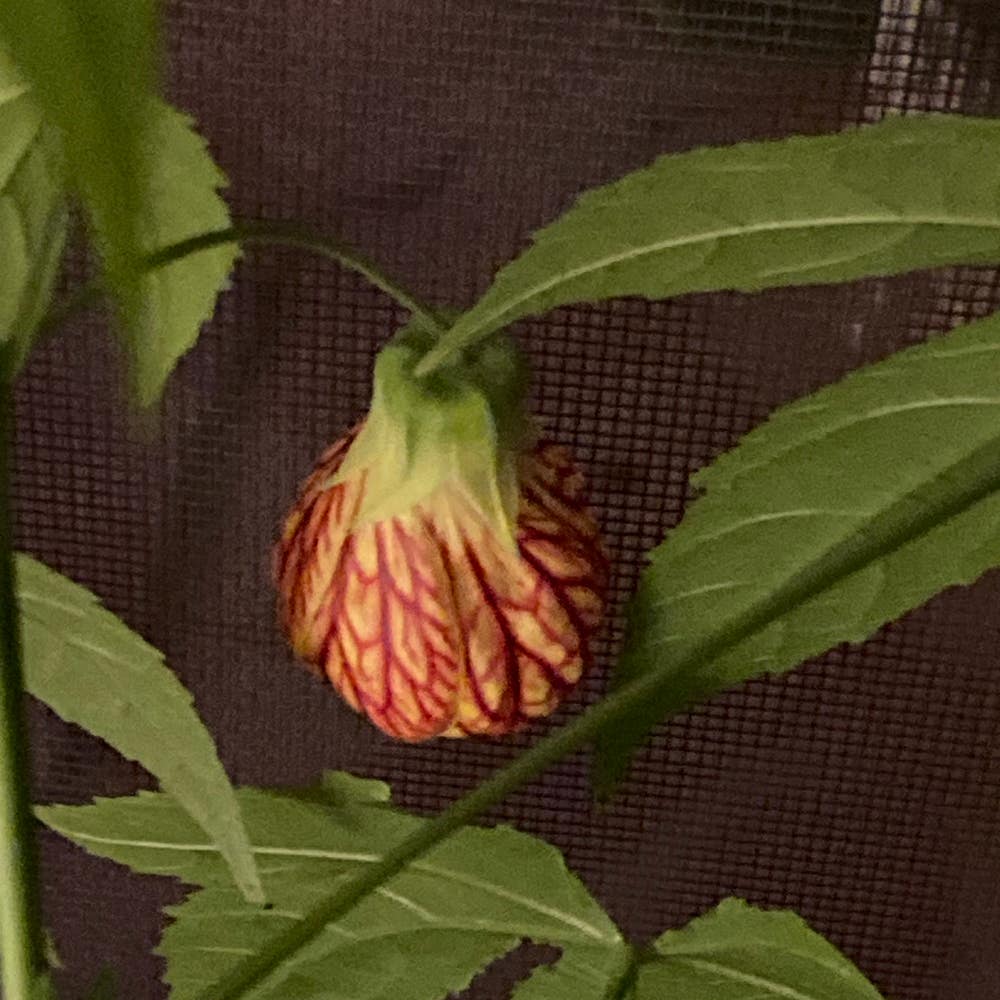
Abutilon 'Lucky Lantern Yellow'
By the Greg Editorial Team
Mar 04, 2024•3 min read
This article was created with the help of AI so we can cover more plants for you. May contain errors. See one? Report it here.
- 🌺 Symbolizes love, friendship, and protection, ideal for meaningful gifting.
- 🐝 Attracts pollinators, supporting biodiversity; also purifies air.
- 🌿 Versatile in design, therapeutic for mental health, enhancing mood and spaces.
The Heart of Symbolism: Unveiling the Flowering Maple's Cultural Tapestry
🌺 Historical whispers and cultural echoes
The Flowering Maple's symbolism is as rich and varied as its hues. Cultures worldwide have imbued it with meanings, from strength and endurance to wisdom. Its leaves, reminiscent of the mighty maples, have served as protective talismans, warding off evil and harm in folklore.
💖 Love and affection in bloom
Love and friendship blossom through the Flowering Maple's association, a living testament to affection. In cultural practices, it has been a symbolic gift, fostering connections and celebrating relationships. Its presence in a garden or home whispers tales of enduring bonds and heartfelt warmth.
A Kaleidoscope of Benefits: More Than Just a Pretty Flower
🌈 A visual feast for the eyes
The Flowering Maple dazzles with a chromatic display rivaling an artist's palette. Its blooms, ranging from pastel hues to deep, vibrant pinks, provide a continuous spectacle. This botanical masterpiece elevates spaces, transforming them into a visual feast that captivates and inspires.
🦋 Winged visitors and the dance of pollination
But it's not just about looks. The Flowering Maple is a pollinator magnet, beckoning bees, butterflies, and hummingbirds. These winged visitors are essential for the dance of pollination, ensuring plant diversity and ecological balance. In turn, the Flowering Maple contributes to local biodiversity, making it more than just a pretty face in the garden.
The Flowering Maple's Gift to Wellbeing and Environment
🌿 Nature's own air purifier
The Flowering Maple stands out as a natural air detoxifier. Its leaves work tirelessly to convert CO2 into life-giving oxygen, scrubbing the air clean. In urban jungles where smog and pollutants reign, this plant is a silent warrior against contamination. It's not just about aesthetics; it's about breathing easier.
🧘 A touch of green therapy
Beyond air quality, the Flowering Maple is a champion for mental health. Its mere presence can dial down stress levels and enhance mood. Therapeutic benefits aren't just anecdotal; studies back the calming influence of greenery in living spaces. It's not just a plant; it's a wellbeing partner.
The Versatile Charm of the Flowering Maple
🌺 From pots to gardens: The Flowering Maple's landscaping prowess
The Flowering Maple, known scientifically as Abutilon x hybridum, is a landscaping chameleon. Thriving in diverse garden designs, it transitions smoothly from indoor pots to outdoor spaces. Versatility is its middle name; it can stand alone as a striking centerpiece or blend harmoniously in mixed arrangements.
In garden settings, it demands attention with its maple-like leaves and bell-shaped flowers that bloom in a kaleidoscope of colors. When placed alongside other plants, it plays well with companions, enhancing the overall aesthetic without stealing the show.
🌿 A botanical curiosity
The Flowering Maple sparks conversations and curiosity about plant diversity. It's a living lesson in botany, showcasing nature's adaptability. For plant enthusiasts, it's a treasure trove of educational opportunities, inviting discussions on everything from pollination to leaf morphology.
Its distinct appearance and growth habits make it a focal point for educational gardens and a catalyst for engaging dialogue among green thumbs. Whether it's the intricate patterns on its leaves or the seasonal color changes, the Flowering Maple never fails to impress and inspire.
⚠️ Safety First
This content is for general information and may contain errors, omissions, or outdated details. It is not medical, veterinary advice, or an endorsement of therapeutic claims.
Always consult a qualified healthcare professional before using any plant as food, medicine, or supplement.
Never eat any plant (or feed one to pets) without confirming its identity with at least two trusted sources.
If you suspect poisoning, call Poison Control (800) 222-1222, the Pet Poison Helpline (800) 213-6680, or your local emergency service immediately.
Spotted an error? Please report it here.
Nurture your Flowering Maple to bloom beautifully 🌸 with Greg's personalized care reminders, enhancing your space and wellbeing effortlessly.