🐛 What's Eating Your Ficus 'Yellow Gem'
Ficus altissima 'Yellow Gem'
By the Greg Editorial Team
Sep 30, 2024•8 min read
This article was created with the help of AI so we can cover more plants for you. May contain errors. See one? Report it here.
Protect your Ficus 'Yellow Gem' from herbivores while nurturing a vibrant garden ecosystem! 🌱
- 🌿 Ficus 'Yellow Gem' attracts herbivores, balancing beauty and ecosystem health.
- 🦌 Deer and squirrels can damage plants but also aid in seed dispersal.
- 🚫 Protect your Ficus with barriers and monitor for herbivore activity regularly.
Appearance and Appeal
Description of Appearance 🌿
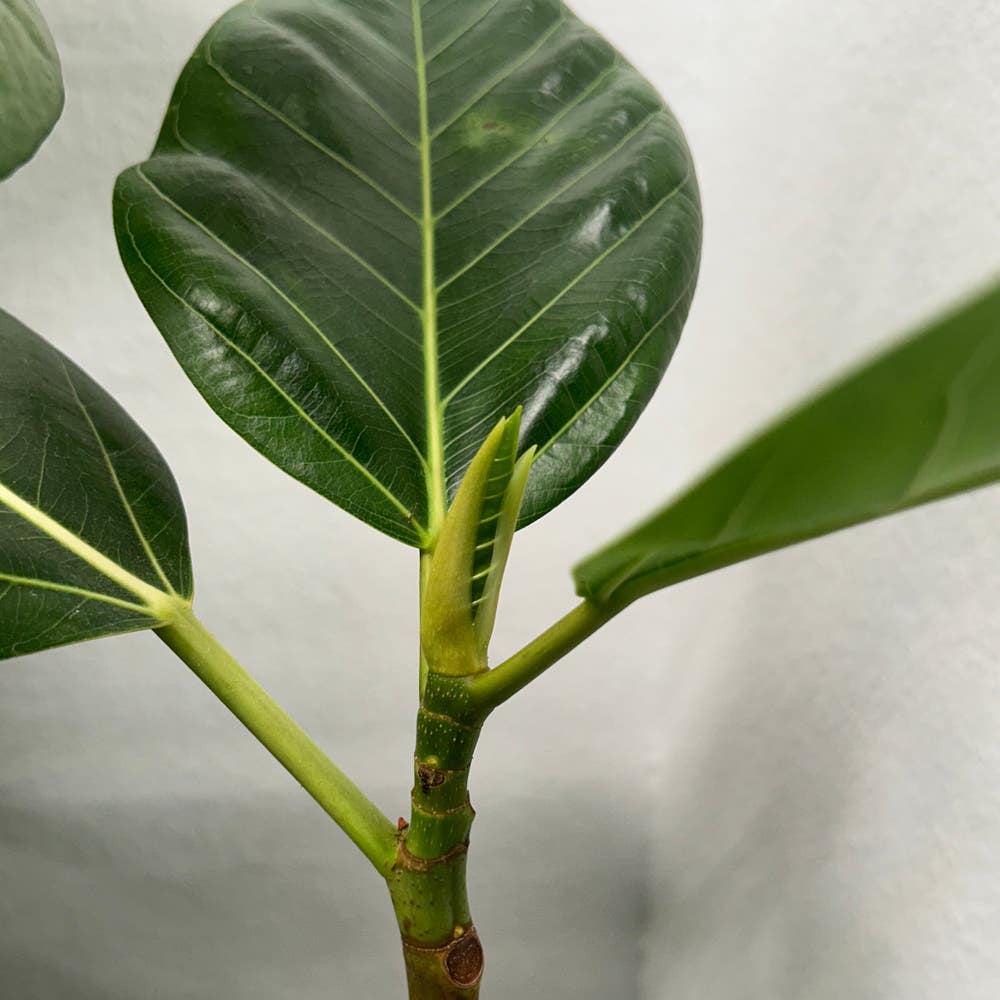
The Ficus 'Yellow Gem' is a stunning sight in any garden. Its vibrant yellow-green leaves create a lively contrast, making it a focal point.
This plant boasts a bushy and dense growth habit, typically reaching heights of 3 to 6 feet. Its lush foliage not only enhances its beauty but also provides a habitat for various wildlife.
Most Appealing Parts to Animals 🐾
Several parts of the Ficus 'Yellow Gem' attract herbivores. Young shoots are particularly tender and nutritious, making them a favorite snack.
Small fruits also draw in birds and rodents, while the lush leaves offer a feast for herbivores. This combination of appealing features makes the plant a magnet for various animals, both beneficial and harmful.
As we explore the common herbivores that affect the Ficus 'Yellow Gem', understanding its appeal helps us appreciate the delicate balance of garden ecosystems.
Common Herbivores Affecting Ficus 'Yellow Gem'
🦌 Deer
Signs of presence and damage caused
Look for hoof prints in muddy areas, which indicate deer activity. You may also notice leaves stripped from the lower branches, a clear sign of their browsing habits.
Beneficial vs. harmful interactions
While deer can decimate young plants, they may also aid in seed dispersal. This duality makes their presence a mixed blessing for gardeners.
Deterrent methods (difficulty: moderate)
To keep deer at bay, consider using commercial deer repellents. Alternatively, planting strong-smelling herbs like lavender or rosemary can naturally deter them.
🐇 Rabbits
Signs of presence and damage caused
Rabbits leave small, round droppings near the plant and create clean cuts on stems and leaves. These signs indicate they’ve been munching on your Ficus.
Beneficial vs. harmful interactions
Rabbits are generally harmful, as they can severely damage young plants. However, they also serve as prey for predators, contributing to the ecosystem.
Deterrent methods (difficulty: easy)
Bitter-tasting sprays can deter rabbits effectively. Additionally, fencing that stands 2-3 feet high and planting rabbit-resistant plants can provide extra protection.
🐿️ Squirrels
Signs of presence and damage caused
Chewed branches and leaves are telltale signs of squirrel activity. You might also find twigs and leaves taken from your plant for nesting materials.
Beneficial vs. harmful interactions
Squirrels can damage young shoots and fruits, making them generally harmful. Yet, they also help with seed dispersal, adding a layer of complexity to their interactions.
Deterrent methods (difficulty: moderate)
Using squirrel repellents can help manage their presence. Installing squirrel-proof bird feeders can distract them, keeping your Ficus safer.
🐦 Birds
Signs of presence and damage caused
Look for pecking marks on fruits and leaves, as well as nesting in the plant. These signs indicate birds are taking an interest in your Ficus.
Beneficial vs. harmful interactions
Birds are generally beneficial, aiding in pollination and seed dispersal. However, they can strip fruits before they ripen, which can be frustrating for gardeners.
Deterrent methods (difficulty: easy)
Non-toxic bird deterrents can help protect your plants. You can also use reflective tape or scare devices to keep birds at a distance.
🐭 Rodents (mice, voles, etc.)
Signs of presence and damage caused
Look for burrows near the base of the plant and gnawed roots and stems. These signs indicate that rodents are causing damage.
Beneficial vs. harmful interactions
Rodents are generally harmful, as they can cause significant plant damage. However, they also serve as prey for larger predators, playing a role in the ecosystem.
Deterrent methods (difficulty: hard)
Rodent bait stations can be effective but require careful handling. Alternatively, trapping methods and using natural predators like cats can help manage their populations.
🐾 Groundhogs/Woodchucks
Signs of presence and damage caused
Large burrows and trails leading to the plant are clear indicators of groundhog activity. You may also notice gnawed stems and leaves.
Beneficial vs. harmful interactions
Groundhogs are generally harmful, as they can severely damage or kill the plant. However, they can help aerate the soil, which is a slight benefit.
Deterrent methods (difficulty: moderate)
Commercial groundhog repellents can be useful in deterring these animals. Fencing that stands 3-4 feet high and planting deterrent plants like marigolds can also help protect your Ficus.
Understanding these common herbivores and their interactions with your Ficus 'Yellow Gem' is crucial for effective plant care. Next, we’ll explore the beneficial animals that can positively impact your garden ecosystem.
Beneficial Animals and Ecosystem Impact
🐝 Pollinators: Bees and Butterflies
Ficus 'Yellow Gem' attracts a variety of beneficial animals, notably pollinators like bees and butterflies. These creatures play a crucial role in enhancing fruit production through effective pollination.
🦅 Predators: Birds of Prey
Birds of prey also find a home in the Ficus 'Yellow Gem.' They help control rodent populations, maintaining a balanced ecosystem.
🌱 Positive Impacts on the Garden Ecosystem
The presence of these beneficial animals leads to several positive impacts on your garden. Enhanced pollination not only boosts fruit yield but also contributes to a vibrant garden atmosphere.
Additionally, natural pest control through predation keeps harmful herbivores in check. This balance allows your Ficus 'Yellow Gem' to thrive while supporting a healthy ecosystem.
Incorporating these beneficial animals into your garden strategy can lead to a flourishing environment. As you nurture your plants, remember the vital role these creatures play in sustaining the ecosystem.
Next, let’s explore general strategies for protecting your Ficus 'Yellow Gem' from potential threats.
General Strategies for Protection
🛡️ Preventive Measures for Protecting Ficus 'Yellow Gem'
To keep your Ficus 'Yellow Gem' thriving, regular monitoring is essential. Check for signs of herbivore activity, such as droppings or chewed leaves, to catch potential issues early.
Using protective barriers can also be a game changer. Fencing or netting around your plants can deter many common herbivores, providing a physical shield against unwanted nibblers.
⚠️ Reactive Solutions for Managing Animal Interactions
If you notice damage, act quickly by removing affected parts. This not only helps the plant recover but also prevents further attraction of herbivores.
Applying deterrents can be effective as well. Whether you choose chemical repellents or organic options, having a plan in place can save your plant from further harm.
🌱 Balancing Ecosystem Health While Protecting Plants
It's crucial to strike a balance between protecting your Ficus and encouraging beneficial wildlife. While some animals may pose a threat, others play vital roles in pollination and pest control.
Consider planting species that attract beneficial insects or birds. This way, you can foster a healthy ecosystem while managing harmful interactions effectively.
By implementing these strategies, you can enjoy the beauty of your Ficus 'Yellow Gem' while maintaining a thriving garden environment. Next, let’s explore the seasonal considerations that can impact your plant's health.
Seasonal Considerations
🐾 Seasonal Variations in Animal Attraction
The Ficus 'Yellow Gem' experiences fluctuating levels of herbivore activity throughout the year. Spring and summer see a surge in herbivores drawn to its vibrant young shoots and lush foliage.
During winter, the plant enters a dormant phase, significantly reducing the risk of damage from hungry animals. This seasonal lull provides a much-needed respite for your beloved Ficus.
⏰ Timing of Plant Vulnerability
Young shoots are particularly vulnerable in early spring, as they emerge fresh and tender. This is when herbivores are most active, eager to feast on the nutritious new growth.
As summer transitions into fall, the fruits of the Ficus become a magnet for various animals. The allure of ripe fruits can lead to increased visits from birds and rodents, making late summer a critical time for monitoring your plant's health.
Understanding these seasonal patterns can help you protect your Ficus 'Yellow Gem' effectively. By anticipating when herbivores are most likely to strike, you can implement preventive measures to safeguard your plant.
Next, we’ll explore the beneficial animals that contribute positively to the ecosystem surrounding your Ficus.
Toxicity and Safety
⚠️ Toxic Effects of Ficus 'Yellow Gem' on Animals
Ficus 'Yellow Gem' produces a milky latex that can deter some herbivores. This natural defense mechanism helps protect the plant from being overly consumed.
However, it's essential to note that this latex can be toxic to pets and livestock if ingested. Keeping a watchful eye on curious animals is crucial to prevent any unfortunate incidents.
🧤 Safety Considerations for Gardeners
When handling Ficus 'Yellow Gem', wearing gloves is a smart move. The latex can irritate the skin, so protecting yourself is key.
Additionally, it's wise to keep pets away from the plant. This precaution helps ensure their safety and prevents any potential health issues from ingestion.
By being mindful of these safety tips, you can enjoy your Ficus 'Yellow Gem' while keeping both your garden and your furry friends safe.
As we explore further, let’s look at the general strategies for protecting this vibrant plant from herbivores.
⚠️ Safety First
This content is for general information and may contain errors, omissions, or outdated details. It is not medical, veterinary advice, or an endorsement of therapeutic claims.
Always consult a qualified healthcare professional before using any plant as food, medicine, or supplement.
Never eat any plant (or feed one to pets) without confirming its identity with at least two trusted sources.
If you suspect poisoning, call Poison Control (800) 222-1222, the Pet Poison Helpline (800) 213-6680, or your local emergency service immediately.
Spotted an error? Please report it here.
Protect your Ficus 'Yellow Gem' from herbivores with smart monitoring and barriers, and let Greg guide you with tailored care tips to keep it flourishing in your garden! 🌱