How Can You Tell If A Ficus altissima 'Yellow Gem' Is Dying?
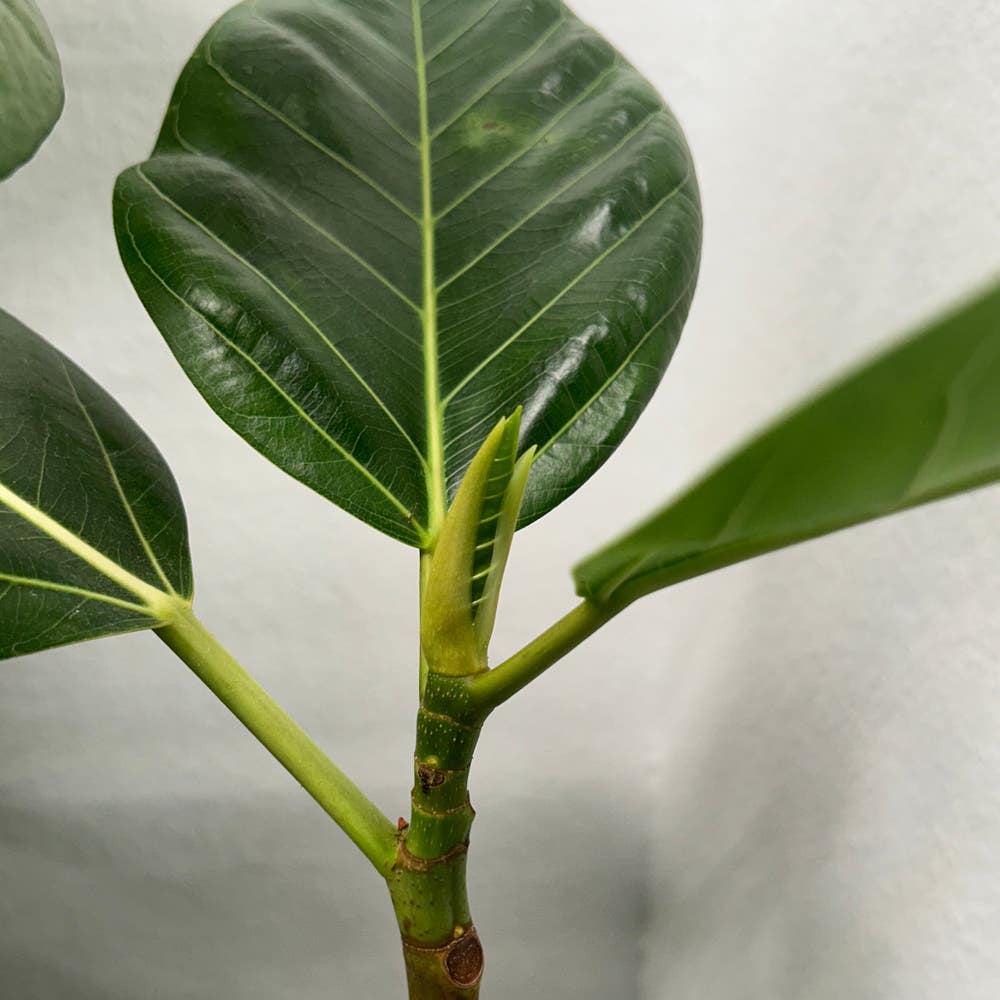
Ficus altissima 'Yellow Gem'
By the Greg Editorial Team
Jun 18, 2024•4 min read
This article was created with the help of AI so we can cover more plants for you. May contain errors. See one? Report it here.
Spot and stop your 'Yellow Gem' Ficus's SOS signals 🍂 before it's too late to save your leafy friend!
- Yellow leaves and wilting signal watering issues in Ficus altissima 'Yellow Gem'.
- Stunted growth or leaf drop may mean bad light, temperature, or root rot.
- Pests and too much sun cause visible leaf damage; adjust care accordingly.
Spot the SOS Signals from Your Ficus
🚱 Yellowing or Wilting Leaves
Yellowing leaves on your Ficus altissima 'Yellow Gem' are like the plant's version of a distress flare. Inconsistent watering, be it too much or too little, is often the culprit.
📉 Stunted Growth or Leaf Drop
When your Ficus's growth hits the brakes, or leaves start taking a dive, it's time to scrutinize the care routine. Irregular light, inconsistent temperature, or the dreaded root rot could be throwing a wrench in the works.
🍂 Visible Damage on Leaves
Brown tips and crispy patches are the botanical equivalent of a cry for help. Too much sunlight or heat can scorch leaves, while pests leave their own calling cards in the form of physical damage.

Water Woes: Too Much, Too Little, Just Right
💦 Over-watering and Root Rot
Yellowing leaves and mushy stems are the plant's cry for help; they're drowning in excess water. A foul soil odor? That's the stench of root rot setting in.
Spotting the signs
- Leaves turning yellow, feeling limp, or falling off en masse.
- Stems that have the consistency of overcooked pasta.
- Soil that smells like it's fermenting rather than fostering growth.
Saving your plant
- Cease all watering immediately. Let the soil dry out like a desert.
- Check the drainage. If it's poor, mix in some gravel or perlite to boost soil sass.
- Inspect the roots. If they look like extras from a zombie flick, trim the dead parts.
- Repot with fresh, well-draining soil and water cautiously.
🏜️ Under-watering
Dry, crispy leaves and a wilting demeanor are your Ficus' way of saying it's parched.
Spotting the signs
- Leaves that crumble at the touch, like autumn foliage.
- A plant that's drooping like it's carrying the weight of the world.
Quenching the thirst
- Water when the top inch of soil feels dry, but don't flood the scene.
- Use room temperature water to avoid shocking the roots.
- Consider a consistent watering schedule to prevent the plant's existential dread.

Light and Temperature: Finding the Sweet Spot
🌞 Irregular Light Exposure
🚨 Spotting the Signs
Leggy growth and pale leaves are telltale signs your Ficus altissima 'Yellow Gem' is light-starved. If it's reaching for the window like a sunbather for the last spot on the beach, it's time to move it closer or consider a grow light. Leaf scorching? That's your cue that it's had too much sun, like a tourist forgetting sunscreen.
Let There Be (the Right Amount of) Light
To prevent your Ficus from looking like it's been through a leafy drought, rotate it regularly for even light distribution. During darker months, a grow light can be a game-changer, mimicking the sun's rays without the risk of overexposure. Just remember to keep it on a timer to simulate natural daylight hours.
🌡️ Inconsistent Temperature
🚨 Spotting the Signs
When leaves drop faster than hints before your birthday, it's a sign of temperature distress. Slow growth can also indicate your Ficus is not feeling the warmth it craves.
Keeping It Cozy
Aim for a steady temperature range between 65-75°F (18-24°C), avoiding the rollercoaster of a heatwave followed by a cold snap. Your Ficus doesn't need to live through a season of "Survivor" – keep it stable, and it'll thank you with robust health.
Uninvited Guests: Tackling Pests and Fungus
🐜 Pests
Spotting the Signs
Visible bugs, sticky residue, or webbing on your Ficus altissima 'Yellow Gem' are clear distress signals. Pests are not just a nuisance; they're a threat to your plant's health.
🛡️ Pest Control
Combat these invaders with natural remedies like neem oil or insecticidal soap. For stubborn pests, you might need to escalate to chemical treatments. Always follow the product instructions to the letter.
🍄 Mold and Fungus
Spotting the Signs
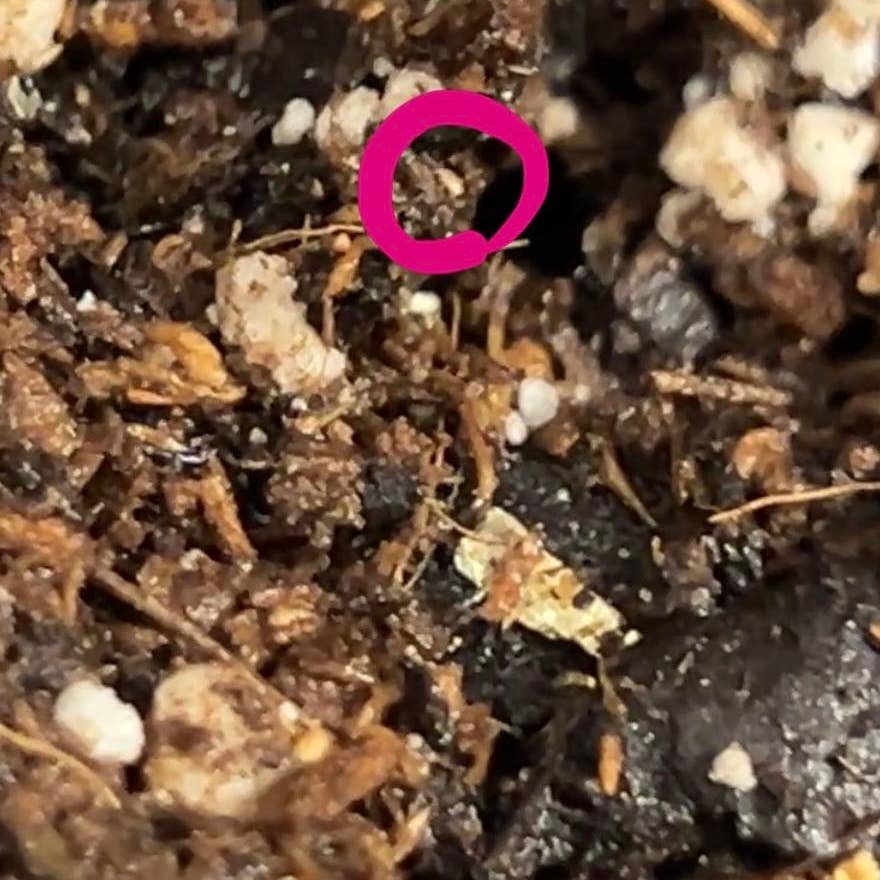
White or black fungal growth and a musty smell are telltale signs of mold or fungus. These issues thrive in moist conditions and can spell disaster for your plant.
🌬️ Fungus Among Us
Increase air circulation and reduce watering to combat these uninvited guests. If necessary, apply a fungicide, but do so with precision and care. Remember, prevention is better than cure.
⚠️ Safety First
This content is for general information and may contain errors, omissions, or outdated details. It is not medical, veterinary advice, or an endorsement of therapeutic claims.
Always consult a qualified healthcare professional before using any plant as food, medicine, or supplement.
Never eat any plant (or feed one to pets) without confirming its identity with at least two trusted sources.
If you suspect poisoning, call Poison Control (800) 222-1222, the Pet Poison Helpline (800) 213-6680, or your local emergency service immediately.
Spotted an error? Please report it here.
Revive your Ficus altissima 'Yellow Gem' 🌿 with Greg's personalized care reminders, ensuring just the right water and light for a lush, healthy plant.