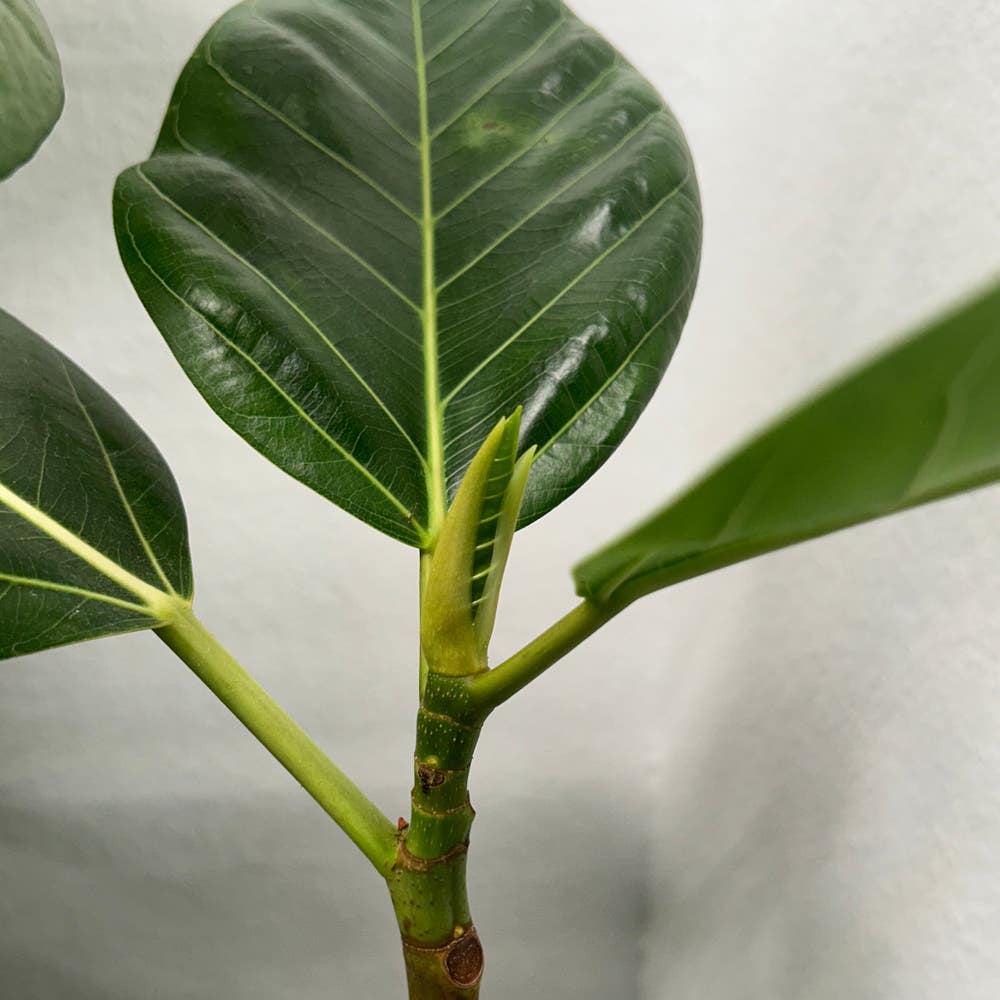
Why Are My Ficus altissima 'Yellow Gem' Leaves Curling?
Ficus altissima 'Yellow Gem'
By the Greg Editorial Team
Jun 18, 2024•5 min read
This article was created with the help of AI so we can cover more plants for you. May contain errors. See one? Report it here.
Unravel the leaf curl conundrum 🍃 of your Ficus 'Yellow Gem' and reclaim its splendor with our tips!
- Water wisely—use a moisture meter to prevent over/underwatering.
- 🌡️ Stable environment is key—bright, indirect light and 65°F-80°F.
- Humidity & health checks—maintain 40-60% humidity and inspect regularly.
When Your Plant's Thirsty or Flooded
💧 Signs of Water Woes
Overwatering and underwatering can both lead to leaf curling in your Ficus altissima 'Yellow Gem'. Limp, yellowing leaves or those with brown tips and edges are classic signs of too much water. On the flip side, leaves that are dry, crispy, and drooping suggest your plant is parched. A soil check is crucial—sticky and damp indicates overwatering, while dry and pulling away from the pot sides screams underwatering.
Fine-Tuning Your Watering Technique
Getting the watering right is more art than science. Start by feeling the soil; if the top inch is dry, it's time to water. When you do, ensure the water drains freely—your plant's roots need to breathe. Consistency is key, so establish a routine. If you're forgetful, consider using a moisture meter. It's a straightforward gadget that tells you when it's time to water, taking the guesswork out of the equation. Remember, room temperature water is best—no cold shocks, please.
It's Not You, It's the Climate
🌞 Light and Temperature Tango
Ficus altissima 'Yellow Gem' leaves curling might be a light or temperature issue. These plants prefer a stable environment, reminiscent of their tropical origins. Too much direct sunlight can cause leaf scorch, while insufficient light leads to stretching and curling as the plant reaches for more.
Rotate your plant regularly to ensure even light distribution. Keep it in a spot with bright, indirect light, and consider the use of sheer curtains to diffuse intense sunlight.
As for temperature, think stable—no sudden drafts or heat sources. Aim for a range between 65°F and 80°F. If you're comfortable, your plant likely is too.
💧 Humidity Hacks
Humidity is crucial for keeping those leaves uncurled. Boost indoor humidity levels to mimic the Ficus altissima 'Yellow Gem's' natural habitat. Use a humidifier or place a water-filled pebble tray beneath the plant pot.
Monitor humidity with a hygrometer to avoid guessing games. Your plant doesn't want to live in a rainforest or a desert; it craves that sweet spot where the air feels just right.
Remember, air circulation is the invisible dance partner here. A gentle breeze from an oscillating fan can prevent the air from becoming too stagnant, but avoid strong drafts that can lead to temperature fluctuations.
Unwanted Guests: Pests and Diseases
🐜 Spotting the Culprits
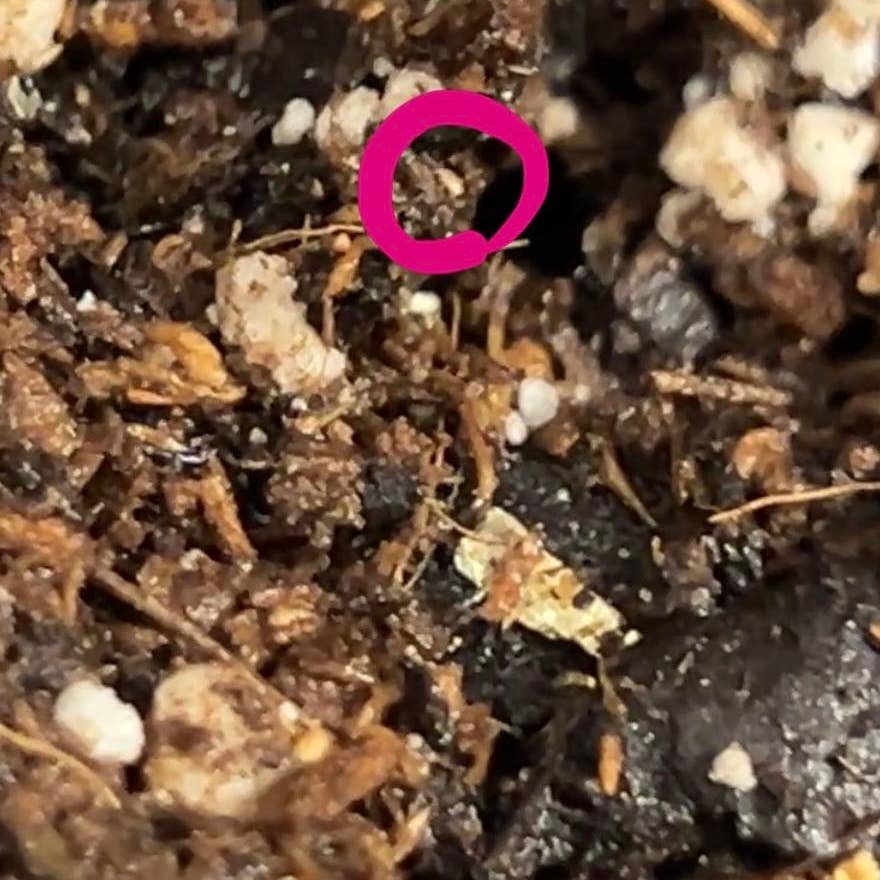
Pests and diseases can turn your Ficus altissima 'Yellow Gem' into a crinkled mess. Spider mites spin fine webs and suck the life out of leaves, while fungal diseases like powdery mildew throw a white, powdery party on the foliage. Look for sticky residues, webbing, or the actual critters themselves.
👢 Kick 'Em Out
🚪 Pests: The Eviction Notice
When pests overstay their welcome, it's time to show them the door. A blast of water can dislodge the freeloaders, while insecticidal soap or neem oil can be the bouncer. For stubborn pests, a miticide might be your go-to.
🩹 Diseases: Cut It Out
Fungal foes like leaf spot need a more surgical approach. Remove infected leaves promptly and consider a copper fungicide for a targeted strike. Always read the label and follow instructions to the letter—your plant's health depends on it.
🛡️ Prevention: The Best Medicine
Keep your plant's environment clean and tidy—debris is a pest's penthouse. Water in the morning so leaves can dry out, and prune to maintain good air circulation. Clean tools are a must; they're like the hand sanitizer of the plant world.
Remember, regular check-ups are your plant's health insurance policy. Catching pests and diseases early can save you from a world of hurt.
The Care Routine to End the Curl
🌿 Environmental Fine-Tuning
Adjusting your Ficus altissima 'Yellow Gem' environment is crucial to prevent leaf curling. Light and temperature are the dynamic duo for leaf health. Ensure your plant gets bright, indirect sunlight; direct rays can scorch leaves, causing them to curl defensively. Keep the temperature consistent, avoiding drafts and sudden changes that stress the plant.
💦 Humidity Control
Humidity is like an invisible hug for your plant. Too low, and leaves curl up tighter than a rolled yoga mat. Aim for a humidity level between 40-60%. If your air is drier than a stand-up comedian, consider a humidifier or a pebble tray with water to up the moisture game.
👀 Regular Check-Ups
Vigilance is key. Inspect your plant regularly for signs of distress. Look for pests, discoloration, or curling leaves. If you spot trouble, act swiftly. It's easier to prevent a problem than to fix one. Keep a consistent watering schedule, and use a moisture meter if you're unsure. It's not cheating; it's smart plant parenting.
🌱 Soil and Pot Selection
Choose a pot with good drainage and soil that holds moisture without becoming waterlogged. Your plant's roots need to breathe, not take a swim. Compacted soil is a no-go; roots should have room to spread out and not be squeezed like passengers in a rush-hour subway.
🌿 Fertilization
Feed your plant, but don't overdo it. A monthly dose of balanced fertilizer during the growing season should suffice. It's a fine line between nourishing and overfeeding, like seasoning food—too little is bland, too much is overwhelming.
🧹 Cleaning and Maintenance
Keep it clean. Remove any fallen leaves to deter pests and wipe down the leaves occasionally to prevent dust buildup. It's not just about aesthetics; it's about health. Think of it as giving your plant a mini spa day.
⚠️ Safety First
This content is for general information and may contain errors, omissions, or outdated details. It is not medical, veterinary advice, or an endorsement of therapeutic claims.
Always consult a qualified healthcare professional before using any plant as food, medicine, or supplement.
Never eat any plant (or feed one to pets) without confirming its identity with at least two trusted sources.
If you suspect poisoning, call Poison Control (800) 222-1222, the Pet Poison Helpline (800) 213-6680, or your local emergency service immediately.
Spotted an error? Please report it here.
Keep your Ficus altissima 'Yellow Gem' happy and healthy 🌿 with Greg's custom care plans that tackle leaf curling by monitoring your home's unique environment.