How Should Ficus altissima 'Yellow Gem' Be Cut Back?
Ficus altissima 'Yellow Gem'
By the Greg Editorial Team
Jun 18, 2024•5 min read
This article was created with the help of AI so we can cover more plants for you. May contain errors. See one? Report it here.
Revitalize your 'Yellow Gem' 🌿 with expert timing and techniques for a lush, vibrant canopy!
- 🌱 Prune in late winter/early spring for best growth without bloom disruption.
- ✂️ Use sharp, sterilized shears for healthy cuts and disease prevention.
- 🚫 Avoid over-pruning and dull tools to prevent plant stress and damage.
Timing is Everything: When to Prune Your 'Yellow Gem'
🌱 Seasonal Smarts
Late winter to early spring is the jackpot for pruning your Ficus altissima 'Yellow Gem'. The plant is just shaking off its winter slumber, gearing up for a growth spurt. This timing allows you to shape its energy for the coming season without messing with its bloom cycle. It's like catching the plant at the starting blocks, ready to dash into spring.
🌿 Plant Lifecycle Cues
Keep an eye on your 'Yellow Gem' for growth cues. As daylight stretches and temperatures nudge up, your plant shifts into growth mode. This is when it's most receptive to pruning, focusing on healing and expansion. Pruning outside this window—like during the summer heat or full bloom—is a no-go. It's like asking your plant to multitask under stress, and nobody wants that.

Gear Up: Choosing the Right Tools for the Job
🔪 The Pruner's Toolkit
Sharp pruning shears or scissors are non-negotiable for your Ficus altissima 'Yellow Gem'. They're like the scalpel in a surgeon's kit—essential for precise work. Disinfectant is another must-have; think rubbing alcohol. It's your best defense against spreading plant pathogens, akin to hand sanitizer in flu season.
Keeping It Clean
Cleanliness is next to godliness, especially in pruning. Sterilize your tools with alcohol before and after each cut to keep diseases at bay. It's like the plant version of brushing your teeth—preventative care to avoid cavities, or in this case, infections. Remember, a clean cut is a happy cut.

The Art of the Snip: Pruning Techniques for 'Yellow Gem'
🌿 Pruning Goals and Strategies
Pruning your Ficus altissima 'Yellow Gem' isn't just about hacking away excess foliage; it's about strategic shaping. The objectives? Size control, maintaining an aesthetically pleasing form, and promoting a fuller, more vibrant plant.
🌱 Step-by-Step Pruning Guide
- Inspect your 'Yellow Gem' for dead, damaged, or unruly branches.
- Plan your cuts to enhance the plant's natural shape and encourage new growth.
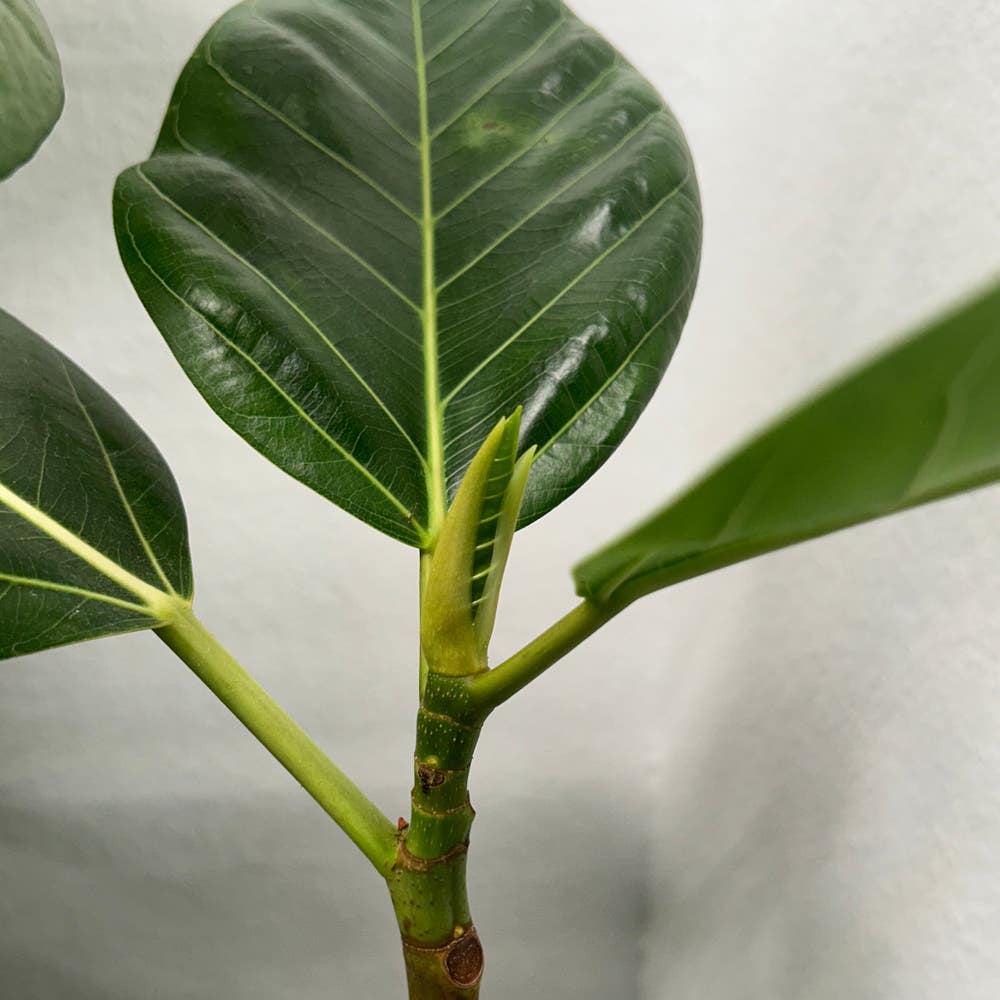
- Execute your cuts with precision, always just above a leaf node.
- Remove any clippings to prevent rot and pests.
- Water and care for your plant to kickstart recovery.
🌳 Tackling Overgrowth with Confidence
When faced with an overgrown 'Yellow Gem', don't panic. Start by removing any dead or damaged branches to clear the way. Then, thin out dense areas to improve light penetration and airflow. Remember, bold cuts can rejuvenate, but over-pruning can stress your plant. Cut just above a leaf node or bud and watch your 'Yellow Gem' flourish.
Post-Pruning Care: Ensuring a Speedy Recovery
🌱 Aftercare Essentials
After you've given your Ficus altissima 'Yellow Gem' a trim, immediate care is crucial. Watering should be consistent but not overdone; think of it as a gentle nudge rather than a flood. Light is equally important; your plant will thrive with bright, indirect sunlight. Avoid the temptation to fertilize right away—fresh cuts need time to heal.
🧼 Keeping It Clean
Sanitize your tools post-pruning with rubbing alcohol or a mild bleach solution. This step prevents disease transfer and keeps your 'Yellow Gem' safe. Remove all debris from the pruning area to avoid rot and potential infection.
👀 Watch and Grow
Monitor your plant for new growth; this is a sure sign of recovery. Look out for distress signals like discoloration or wilting, and adjust care as needed. Patience is key—don't expect overnight miracles. If you see new leaves, celebrate your green thumb success. If not, reassess your care routine and stay the course.
Oops, Don't Do That: Pruning Pitfalls to Avoid
🌳 Common Missteps
Pruning your Ficus altissima 'Yellow Gem' can feel like navigating a minefield—one wrong snip and you're sweating bullets. To keep your plant from becoming a cautionary tale, steer clear of these blunders:
- Overzealous Cuts: Chopping off more than 30% of your plant in one session is like expecting a haircut to cure a headache—it doesn't work and just adds stress.
- Wrong Timing: Snipping away during the plant's blooming period is akin to bailing water before the storm hits—you're tossing out potential beauty.
- Dull Tools: Using blunt instruments is like slicing tomatoes with a spoon—messy and harmful. Keep your tools sharp to avoid mangling your plant's limbs.
- Topping: Never give your plant a flat-top. It's like squashing a soufflé—deflates potential and leads to weak, spindly growth.
- Over-Pruning: Excessive trimming is like over-plucking eyebrows—too much and you're left with regret. Prune with purpose, not for the thrill of the snip.
🩹 Damage Control
So you've goofed up—now what? First, don't panic. Plants are resilient, and your 'Yellow Gem' is no exception. Here's how to mend the misstep:
- Pause and Assess: Take a breather and evaluate the damage. Sometimes less is more, and it's best to let the plant recover on its own.
- Clean Cuts: If you've left jagged edges, clean them up with a sharp pruner to promote healing.
- Care and Patience: Provide your plant with extra TLC—water, light, and maybe a pep talk. Watch for new growth; it's a sign you're back on track.
- Learn and Adapt: Reflect on the mishap. Next time, you'll be the pruning sensei, not the novice with the shears.
⚠️ Safety First
This content is for general information and may contain errors, omissions, or outdated details. It is not medical, veterinary advice, or an endorsement of therapeutic claims.
Always consult a qualified healthcare professional before using any plant as food, medicine, or supplement.
Never eat any plant (or feed one to pets) without confirming its identity with at least two trusted sources.
If you suspect poisoning, call Poison Control (800) 222-1222, the Pet Poison Helpline (800) 213-6680, or your local emergency service immediately.
Spotted an error? Please report it here.
Ensure your Ficus altissima 'Yellow Gem' grows into its best shape 🌿 with Greg's timely pruning reminders, based on these expert care tips!