Best Ficus 'Yellow Gem' Varieties 💎
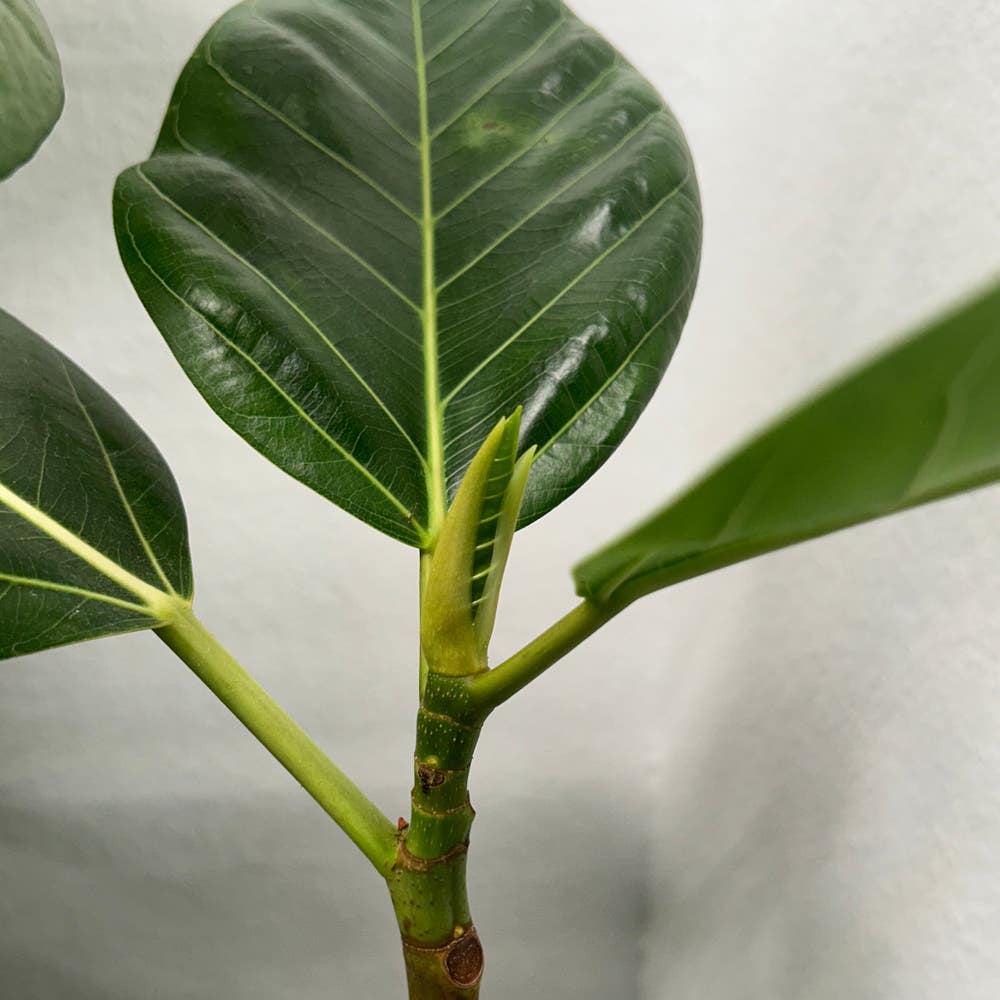
Ficus altissima 'Yellow Gem'
By the Greg Editorial Team
Sep 30, 2024•4 min read
This article was created with the help of AI so we can cover more plants for you. May contain errors. See one? Report it here.
Transform your space with stunning Ficus 'Yellow Gem' cultivars that brighten your home and simplify plant care! 🌿✨
- 🌿 Ficus 'Yellow Gem' offers diverse cultivars, each with unique care needs and characteristics.
- 💡 Optimal light and humidity are crucial for vibrant foliage and healthy growth.
- 🏡 Compact varieties like Compacta are perfect for small spaces and low maintenance.
Popular Cultivars
Variegated 🌿
The Variegated Ficus 'Yellow Gem' stands out with its unique cream or white edges, creating a striking contrast against its green foliage. This cultivar maintains a compact growth habit, although it may grow slightly larger than its counterparts.
For optimal color retention, it thrives in bright, indirect light. This easy-care plant is perfect for both beginners and seasoned plant enthusiasts.
Compacta 🪴
If you're short on space, the Compacta is your go-to choice. This smaller version of the standard Ficus 'Yellow Gem' is extremely compact, making it ideal for tabletop displays.
Due to its size, it requires less frequent watering, allowing for a more relaxed care routine. It's a fantastic option for those who want greenery without the hassle.
Aurea 🌼
The Aurea cultivar features a more intense yellow hue, setting it apart from standard varieties. Its leaves may be more elongated, adding a unique touch to your plant collection.
To keep its vibrant color, the Aurea needs higher humidity levels. While it requires a bit more attention, the payoff is well worth it for those seeking a standout plant.
These popular cultivars each bring their own charm and care requirements, making them suitable for various settings and preferences. Next, let’s explore the unique characteristics that differentiate these Ficus 'Yellow Gem' varieties.
Unique Characteristics
Leaf Shape and Texture 🌿
Ficus 'Yellow Gem' cultivars showcase a fascinating variety of leaf shapes. Some have broad, rounded leaves, while others feature elongated, slender forms.
Texture also varies significantly among these cultivars. You might find some with smooth, glossy surfaces, while others present a more textured, rugged feel.
Growth Rate 📈
When it comes to growth rates, not all cultivars are created equal. Some, like the Compacta, grow slowly and steadily, making them perfect for smaller spaces.
Faster-growing varieties may require more frequent care and maintenance. Understanding these differences can help you choose the right cultivar for your lifestyle and gardening goals.
With this knowledge, you can better appreciate the unique traits of each Ficus 'Yellow Gem' cultivar. Next, let’s explore the vibrant color variations that make these plants so appealing.
Color Variations
🌈 Intensity of Foliage
The intensity of foliage color can significantly differ among Ficus 'Yellow Gem' cultivars. Some varieties boast vibrant yellow hues, while others may present a more muted tone.
Factors like light exposure and nutrient availability play crucial roles in these variations. Adequate sunlight can enhance the brightness of the leaves, while nutrient-rich soil supports robust growth and color.
🍂 Seasonal Changes
Foliage color isn't static; it can shift with the seasons. Many cultivars display notable changes, particularly in response to temperature and light variations.
For instance, some Ficus varieties may deepen in color during the warmer months, while others might show a more subdued palette in winter. Observing these seasonal shifts can add a dynamic element to your indoor or outdoor space, making each season feel unique.
Size Differences
Height and Width Comparisons 🌱
Ficus 'Yellow Gem' varieties come in various sizes, making them versatile for different spaces. Typically, these cultivars range from 1 to 3 feet in height and can spread between 1 to 2 feet wide.
Notable differences in size can significantly influence where you place them in your home or garden. For instance, a compact cultivar is perfect for a small tabletop, while a larger variety might be better suited for a spacious corner.
Growth Habit Variations 🌿
When it comes to growth habits, Ficus 'Yellow Gem' cultivars can be either compact or sprawling. Compact varieties maintain a neat appearance, making them ideal for indoor settings, while sprawling types can create a lush, green backdrop outdoors.
Understanding these growth habits is crucial for successful planting. If you're considering indoor placement, opt for compact varieties; for outdoor gardens, sprawling cultivars can add depth and texture.
Special Care Requirements
Light and Humidity Preferences 🌞
Each Ficus 'Yellow Gem' cultivar has its own light requirements. Generally, they thrive in bright, indirect light, which helps maintain their vibrant colors.
Humidity is another critical factor. While some cultivars can tolerate lower humidity levels, others, like the Aurea, prefer a more humid environment to keep their leaves looking lush and vibrant.
Watering and Fertilization 💧
Watering frequency varies significantly among the different cultivars. For instance, the Compacta requires less frequent watering due to its smaller size, while larger varieties may need more regular hydration.
Fertilization is equally important. To enhance growth, consider using a balanced fertilizer during the growing season, especially for those cultivars that exhibit faster growth rates. This will ensure they remain healthy and vibrant throughout the year.
In summary, understanding the specific care requirements for each Ficus 'Yellow Gem' cultivar will help you create the ideal environment for your plants. Next, let's explore the unique characteristics that set these varieties apart.
⚠️ Safety First
This content is for general information and may contain errors, omissions, or outdated details. It is not medical, veterinary advice, or an endorsement of therapeutic claims.
Always consult a qualified healthcare professional before using any plant as food, medicine, or supplement.
Never eat any plant (or feed one to pets) without confirming its identity with at least two trusted sources.
If you suspect poisoning, call Poison Control (800) 222-1222, the Pet Poison Helpline (800) 213-6680, or your local emergency service immediately.
Spotted an error? Please report it here.
Unlock the vibrant potential of your Ficus 'Yellow Gem' 🌟 by using Greg's personalized care tips and watering reminders to ensure each unique cultivar thrives beautifully in your space!