Black Spots on My Ficus altissima 'Yellow Gem' Leaves
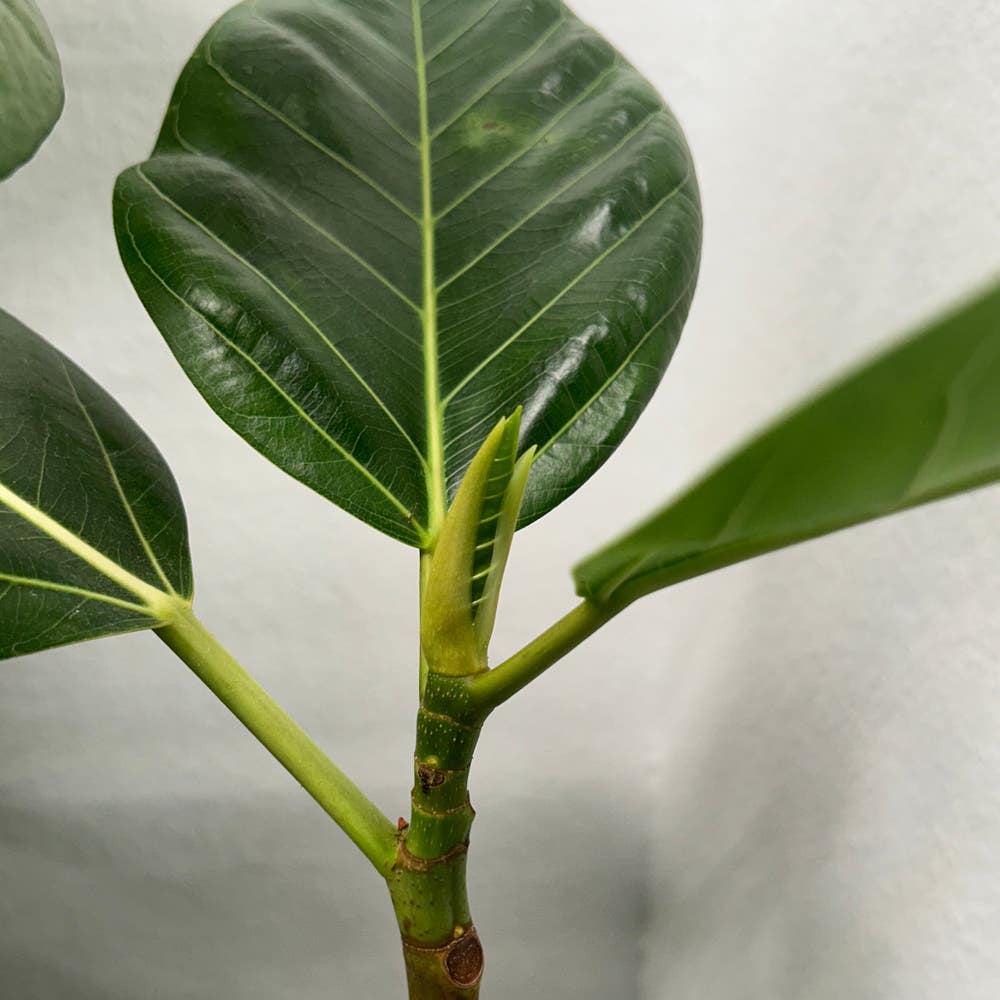
Ficus altissima 'Yellow Gem'
By the Greg Editorial Team
Jan 27, 2024•4 min read
This article was created with the help of AI so we can cover more plants for you. May contain errors. See one? Report it here.
Banish black spots on your 'Yellow Gem' 🌿 with this essential plant-saving guide!
- Black spots grow from specks to blotches, signaling leaf infections.
- Fungal vs. bacterial spots: look for circular lesions or slimy textures.
- Prevent with good care: proper watering, air circulation, and regular checks.
Spotting the Trouble: What Do Black Spots Look Like?
Black spots on Ficus altissima 'Yellow Gem' leaves are visual alarms. They start as tiny specks, often less than ⅛ inch in diameter, and can grow into larger blotches if unchecked.
🕵️ Visual Cues
Flip those leaves; the undersides can hide the early stages of an invasion. Look for spots with dark margins or concentric rings—these are not just blemishes but signs of a potential infection.
📍 Location, Location, Location
Spots may appear anywhere, but they often favor the undersides of leaves. They can be isolated or widespread, and if you notice a pattern of spread or change in leaf texture, it's time for action.
🔍 Spot Characteristics
Black spots scream for attention with their dark, circular lesions. Fungal spots might show tiny black dots within, especially if surrounded by a yellow halo. Bacterial spots, on the other hand, can look water-soaked or slimy.
🚨 Early Detection
Regular leaf check-ups are crucial. Catching these spots early is like catching a typo before it's too late. If you see spots forming on new leaves before older ones, it's a cry for help.
🕵️♂️ The Usual Suspects
Remember, accurate identification is the first step. If you're unsure, consult a plant health expert to avoid spreading the issue. Touching affected leaves and then other plants can spread bacteria, while fungi release spores into the air.
Playing Detective: Figuring Out the Culprits
🍄 Fungal Foes
- Common fungal culprits include leaf spot and anthracnose.
- Look for distinctive patterns like concentric circles or a bull's-eye.
🦠 Bacterial Baddies
- Bacterial leaf spot appears as water-soaked lesions.
- Bacterial spots often have a wet, slimy texture, unlike the dry crust of fungi.
🌿 Environmental Stressors
- Overwatering and poor air circulation create a humidity party for pathogens.
- Inconsistent lighting can stress your plant, making it vulnerable to disease.
The Battle Plan: Treating Black Spots
🍄 Fungus Among Us: Getting Rid of Fungal Infections
Fungicides are your frontline defense. Go for copper or sulfur-based if you're into organics, or grab systemic heavy-hitters like tebuconazole for stubborn cases. Rotate your fungicides to prevent resistance; it's like updating your antivirus software.
Home remedies can pack a punch too. A tablespoon of baking soda per gallon of water, with a dash of oil or soap, can change the leaf's pH, making it a no-fungus land. Apply weekly and watch the spots fade.
💥 Bacterial Battles
Prune affected leaves with sterilized shears—think of it as excising the infected tissue. Dispose of the clippings like hazardous waste; they're not compost buddies.
For bacterial infections, copper compounds are your go-to. Use them strategically, like deploying a special ops team. Cleanliness is your ally; keep your tools and environment spotless to prevent bacterial block parties.
Prevention is simpler than cure. Ensure good air circulation and avoid wet leaves to keep bacteria at bay. It's like avoiding the flu by not sharing drinks.
Keeping Your 'Yellow Gem' Spotless
Watering wisdom is crucial for your Ficus altissima 'Yellow Gem'. Overwatering invites trouble, so wait for the soil to dry before giving your plant a drink. Balance is key—too much, and you risk fungal parties; too little, and your plant throws a drought-themed tantrum.
💨 Airflow and Light: The Dynamic Duo
Proper air circulation is non-negotiable. It prevents the air around your plant from becoming stagnant, which can be a breeding ground for diseases. As for light, bright but indirect is the way to go. Your 'Yellow Gem' doesn't appreciate a sunburn any more than you do.
👩⚕️ Regular Check-Ups: Plant Parenthood
Stay vigilant. Regular inspections are like routine health check-ups—they catch problems before they balloon into catastrophes. Notice a spot? Investigate. It could be a sign of overwatering, poor light, or an infection setting up camp.
Remember, prevention is better than cure. Keep the environment around your 'Yellow Gem' as stable as a well-anchored ship, and you'll navigate away from the black spot iceberg with ease.
⚠️ Safety First
This content is for general information and may contain errors, omissions, or outdated details. It is not medical, veterinary advice, or an endorsement of therapeutic claims.
Always consult a qualified healthcare professional before using any plant as food, medicine, or supplement.
Never eat any plant (or feed one to pets) without confirming its identity with at least two trusted sources.
If you suspect poisoning, call Poison Control (800) 222-1222, the Pet Poison Helpline (800) 213-6680, or your local emergency service immediately.
Spotted an error? Please report it here.
Eradicate black spots and ensure your Ficus altissima 'Yellow Gem' leaves are spotless 🍃 with Greg's tailored care plans and real-time community support.