❄️ Top 5 Signs Your Ficus 'Yellow Gem' is Stressed in Winter
Ficus altissima 'Yellow Gem'
By the Greg Editorial Team
Sep 30, 2024•5 min read
This article was created with the help of AI so we can cover more plants for you. May contain errors. See one? Report it here.
Ensure your Ficus 'Yellow Gem' survives winter stress and flourishes in spring with these essential care tips! 🌱
- 🍂 Yellowing leaves and drooping branches indicate light, water, or cold stress in winter.
- 💧 Adjust watering to every 2-3 weeks; let top soil dry out for Ficus health.
- 🌡️ Maintain humidity levels of 40-60% to prevent leaf browning and drop.
Signs of Stress in Winter
🍂 Yellowing leaves and leaf drop
Yellowing leaves in winter can signal several issues, primarily related to light and water. Insufficient light or overwatering can lead to this distressing change, while leaf drop often indicates a more serious stress response.
Monitoring leaf health is crucial during the colder months. Regular checks can help you catch problems early, ensuring your Ficus 'Yellow Gem' remains vibrant.
💧 Wilting or drooping branches
Wilting or drooping branches are clear signs of dehydration or cold stress. If your plant appears limp, it may be struggling to absorb enough water or is reacting to chilly drafts.
To differentiate between normal winter behavior and stress, observe the overall condition of the plant. A slight droop can be typical, but persistent wilting suggests a need for immediate attention.
🌱 Stunted growth or lack of new growth
Understanding growth patterns during winter is essential for your Ficus 'Yellow Gem.' While some slowing is normal, stunted growth can indicate underlying issues.
Factors like inadequate light, improper watering, or nutrient deficiencies can contribute to this lack of growth. Keep an eye on your plant's progress to ensure it’s on track for a healthy spring.
Winter Care Requirements
🌊 Adjusting watering schedules for winter
In winter, Ficus 'Yellow Gem' requires less frequent watering. Aim for every 2-3 weeks, allowing the top inch of soil to dry out before rewatering.
Signs of overwatering include yellowing leaves and a mushy stem, while underwatering may cause leaf drop and dry soil. Well-draining soil is crucial during these months to prevent root rot.
🌱 Fertilizing needs during dormancy
During dormancy, Ficus 'Yellow Gem' has reduced nutrient needs. Use a balanced, slow-release fertilizer or a diluted liquid fertilizer every 4-6 weeks.
Timing is key; fertilize only when the plant shows signs of growth, typically in late winter. Avoid over-fertilizing, as this can stress the plant further.
💧 Importance of humidity levels
Ficus 'Yellow Gem' thrives in humidity levels of 40-60%. Low humidity can lead to leaf browning and drop, so maintaining moisture is essential.
To boost humidity indoors, consider using a humidifier, placing a tray of water near the plant, or misting the leaves occasionally. Keeping humidity levels stable will help your plant stay healthy and vibrant throughout winter.
As you care for your Ficus 'Yellow Gem' this winter, remember that attention to watering, fertilizing, and humidity will set the stage for a robust spring. Next, let’s explore how to protect your plant from frost.
Protection from Frost
Best Practices for Outdoor Frost Protection ❄️
Frost can be a silent killer for your Ficus 'Yellow Gem.' To protect your plant, aim to cover it when temperatures dip below 32°F (0°C).
Use lightweight fabric or frost cloth to shield your plant during cold snaps. This allows light and moisture in while keeping the frost out.
Mulch is another excellent option. A layer of organic mulch around the base can insulate roots and retain soil warmth, providing an extra layer of defense against the cold.
Indoor Care to Prevent Cold Stress 🏠
Indoor care is just as crucial for your Ficus 'Yellow Gem.' Avoid placing your plant near cold drafts from windows or doors, as this can lead to stress.
Find a cozy spot with stable temperatures, ideally between 65°F and 75°F (18°C to 24°C). This helps your plant thrive even in winter.
Regularly monitor indoor humidity levels, aiming for around 40-60%. Low humidity can lead to leaf drop and other stress signs, so consider using a humidifier if necessary.
By taking these steps, you can ensure your Ficus 'Yellow Gem' stays healthy and vibrant throughout the winter months. Next, let’s explore how to prepare your plant for the upcoming spring growth.
Spring Preparation and Recovery
🌱 Signs of Recovery from Winter Damage
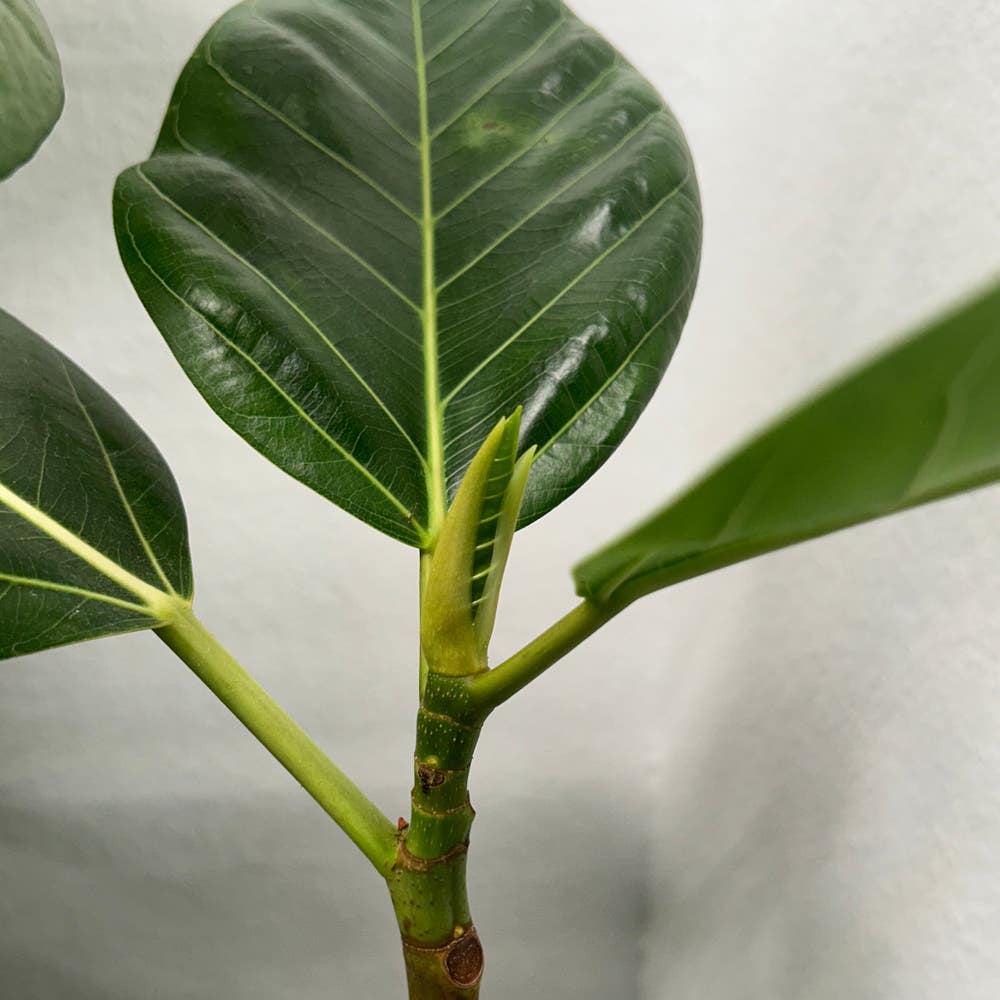
As spring approaches, your Ficus 'Yellow Gem' will start showing signs of recovery. Look for new growth, such as fresh leaves and stems, which indicate that your plant is bouncing back from winter stress.
Monitoring leaf health is crucial during this time. Healthy leaves should be vibrant and firm, signaling that your plant is regaining strength.
🌼 Preparing Ficus 'Yellow Gem' for Spring Growth
Transitioning care from winter to spring is essential for optimal growth. Begin by adjusting your watering schedule to accommodate the increased light and warmth.
Fertilizing is also important as your plant wakes up. Use a balanced fertilizer to support new growth, applying it according to the recommended schedule for spring.
🌞 Transitioning Care from Winter to Spring
Gradual acclimatization to warmer temperatures is key for your Ficus 'Yellow Gem'. Sudden changes can shock the plant, so introduce it to higher temperatures slowly.
Watch for signs of stress during this transition, such as wilting or discoloration. Implement recommended practices, like maintaining consistent humidity and avoiding direct sunlight, to ensure a smooth shift into the growing season.
With these steps, your Ficus 'Yellow Gem' will thrive as it embraces the warmth of spring. Now, let’s explore how to protect your plant from frost and cold stress.
⚠️ Safety First
This content is for general information and may contain errors, omissions, or outdated details. It is not medical, veterinary advice, or an endorsement of therapeutic claims.
Always consult a qualified healthcare professional before using any plant as food, medicine, or supplement.
Never eat any plant (or feed one to pets) without confirming its identity with at least two trusted sources.
If you suspect poisoning, call Poison Control (800) 222-1222, the Pet Poison Helpline (800) 213-6680, or your local emergency service immediately.
Spotted an error? Please report it here.
Keep your Ficus 'Yellow Gem' thriving this winter ❄️ by adjusting your care routine with Greg's personalized reminders to ensure a vibrant recovery come spring!