What Does It Mean When Ficus altissima 'Yellow Gem' Blooms?
Ficus altissima 'Yellow Gem'
By the Greg Editorial Team
Jan 27, 2024•5 min read
This article was created with the help of AI so we can cover more plants for you. May contain errors. See one? Report it here.
Unlock the bloom 🌼 secrets of Ficus altissima 'Yellow Gem' and flaunt your plant prowess!
- 🌼 Blooms indicate health: Look for foliage changes as a bloom sign.
- 🌞 Bright, indirect light and 65-75°F are key for 'Yellow Gem' flowering.
- ✂️ Prune in late winter to redirect energy and encourage blooming.
When and Why Your 'Yellow Gem' Might Surprise You with Flowers
🌼 Spotting the Signs of an Upcoming Bloom
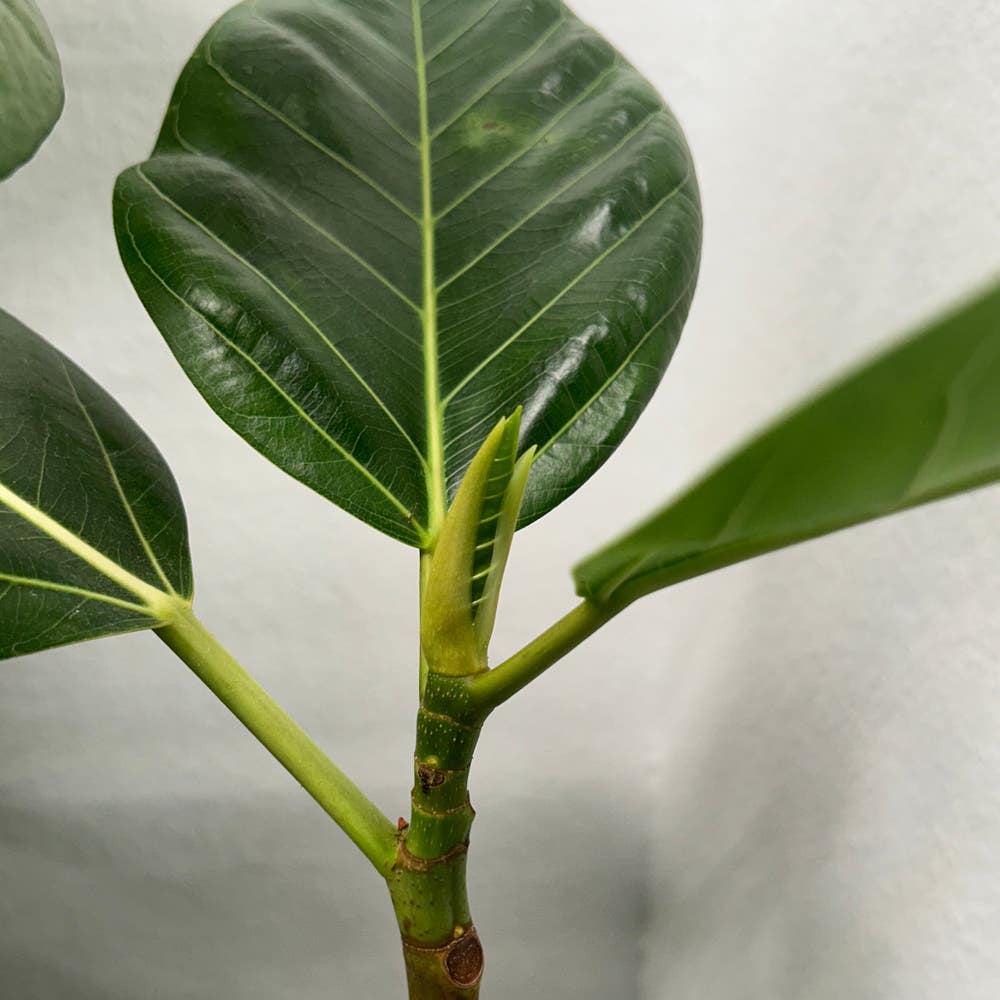
Visual cues are your first hint that your Ficus altissima 'Yellow Gem' is gearing up to flower. Look out for subtle changes in the foliage and stem structure, such as increased vigor or the development of small bud-like formations. These signs typically indicate that the plant is entering a new phase in its growth cycle.
Understanding the timing of blooms is crucial. While not common, the 'Yellow Gem' may bloom when it has reached a level of maturity and is under optimal growing conditions. This could happen unexpectedly, often in the warmer seasons when the plant experiences longer daylight hours.
🌸 The Big Reveal: What Blooms Mean for Your Plant
Flowers play a critical role in the life cycle of your 'Yellow Gem', signifying a phase of reproduction. Blooming is a positive sign, indicating that your plant is healthy and has enough resources to invest in reproduction.
When your 'Yellow Gem' blooms, it's a clear reflection of its health and well-being. It means you've provided the right environment, and your plant is thriving. Celebrate this milestone by continuing to provide excellent care, and you might just witness this rare event more often.
Creating the Perfect Blooming Environment
🌞 Let There Be Light: Sunlight Needs for Flowering
Bright, indirect light is your 'Yellow Gem's' best friend when it comes to blooming. Too much direct sunlight can be as counterproductive as a chocolate teapot, so aim for that sweet spot where the light is just right.
Adjusting light exposure is like tuning a guitar; get it wrong and the results are underwhelming. Position your plant in a spot where it can soak up the morning sun, but shield it from the harsher afternoon rays.
🌡️ Warmth and Moisture: The Temperature-Humidity Dance
The ideal temperature for your 'Yellow Gem' to break into bloom is a cozy 65°F to 75°F. It's a bit like us preferring a comfortable room temperature; your plant feels the same.
Humidity, on the other hand, should be around 40%-60%. It's the unsung hero of the blooming process, so don't let it slip under the radar. If your home's air is drier than a stand-up comedian's wit, consider using a humidifier or pebble tray to up the ante.
Seasonal adjustments are key. As the year waltzes through its seasons, keep an eye on indoor conditions. They can drift as much as your uncle's storytelling at family gatherings. Adjust temperatures and humidity levels to match the natural growth cycle of your plant.
Pruning for Blooms: Encouraging Your 'Yellow Gem' to Flower
🌱 Strategic Snips: Pruning Techniques for Bloom Induction
Pruning isn't just a haircut for your plant; it's a strategic move to encourage your Ficus altissima 'Yellow Gem' to bloom. By removing excess foliage, you're essentially redirecting the plant's energy towards flowering. Timing is crucial; prune in late winter or early spring to set the stage for the growing season.
🌿 Best Practices for Pruning
- Sharp Tools: Always use clean, sharp tools to make precise cuts and avoid plant stress.
- Selective Trimming: Focus on removing dead or damaged growth, and thin out dense areas to improve light exposure and air circulation.
- Leaf Nodes: Make cuts just above leaf nodes to stimulate new growth where you want it.
🌼 The Aftercare: Post-Pruning Tips
After pruning, your 'Yellow Gem' needs some extra TLC to recover and gear up for blooming. Ensure it has the right mix of light, water, and nutrients to thrive. Adjust your care routine to support the plant's increased need for energy during this time.
💧 Care Tips Following Pruning
- Hydration: Water your plant judiciously; too much can be as harmful as too little.
- Light: Keep an eye on light levels. Your 'Yellow Gem' will need plenty of indirect sunlight to fuel its growth.
- Observation: Monitor your plant for signs of stress and respond accordingly. Healthy new growth is a good indicator that your plant is on the right track to blooming.
The Blooming Phase: Ensuring Success
🌸 Nurturing Your Plant Through the Flowering Stage
When your Ficus altissima 'Yellow Gem' begins to bloom, it's showtime, and adjustments are key. The flowering stage is a critical period that demands extra attention and care to ensure the plant's energy is well-directed towards those coveted blossoms.
🌞 Light and Nutritional Balance
Light is your plant's best friend during this phase. Ensure it receives ample brightness, mimicking the intensity of its natural habitat. As for food, think of fertilizer as a performance enhancer. A balanced diet, rich in phosphorus, can boost flower production. But remember, overfeeding is a no-go—nutrient burn is the villain we all want to avoid.
🚰 Watering and Humidity Control
Watering is a delicate dance—too much, and you risk root rot; too little, and your plant might throw a tantrum. Keep the soil consistently moist but not soggy. Humidity, too, needs a watchful eye. Your 'Yellow Gem' likes it on the higher side, so consider a humidifier if your air is drier than a stand-up comedian's wit.
🍽️ Fertilization Frequency
As for feeding, it's all about timing. Observe your plant like a hawk and adjust your fertilization schedule to support the flowering. Ease up as the bloom matures; it's like easing off the gas pedal after a sprint.
🌡️ Temperature and Day-Night Cycles
Temperature plays a role in this botanical drama. Your 'Yellow Gem' prefers it warm, but not hot. And while it doesn't need a dramatic day-night temperature shift, keeping things stable is like setting the stage for a standing ovation.
By monitoring your plant closely and responding to its needs, you're not just a plant owner—you're a bloom whisperer.
⚠️ Safety First
This content is for general information and may contain errors, omissions, or outdated details. It is not medical, veterinary advice, or an endorsement of therapeutic claims.
Always consult a qualified healthcare professional before using any plant as food, medicine, or supplement.
Never eat any plant (or feed one to pets) without confirming its identity with at least two trusted sources.
If you suspect poisoning, call Poison Control (800) 222-1222, the Pet Poison Helpline (800) 213-6680, or your local emergency service immediately.
Spotted an error? Please report it here.
Achieve the perfect bloom 🌼 for your Ficus altissima 'Yellow Gem' with Greg's tailored care reminders for light, humidity, and pruning times.