☀️ 3 Outdoor Care Tips for Ficus 'Yellow Gem'
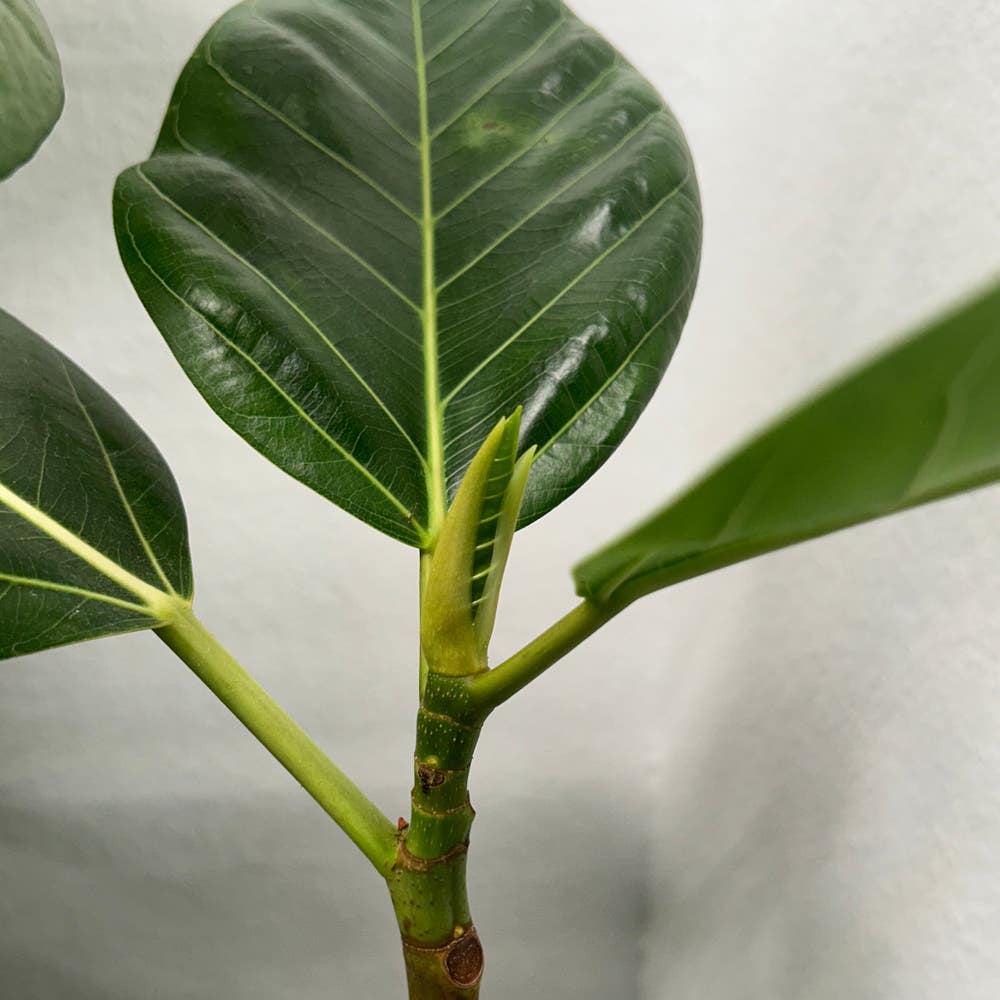
Ficus altissima 'Yellow Gem'
By the Greg Editorial Team
Sep 30, 2024•5 min read
This article was created with the help of AI so we can cover more plants for you. May contain errors. See one? Report it here.
Unlock the secret to a thriving Ficus 'Yellow Gem' with essential outdoor care tips! 🌞🌱
- ☀️ Ficus 'Yellow Gem' needs 4-6 hours of sunlight for optimal growth.
- 💧 Consistent moisture is key; water every 1-2 weeks for healthy plants.
- 🌱 Well-draining soil and regular fertilization ensure vibrant foliage and prevent root rot.
Outdoor Care Essentials
Sunlight Needs and Optimal Light Conditions 🌞
Ficus 'Yellow Gem' thrives in full sun to partial shade. Aim for a minimum of 4-6 hours of direct sunlight daily to keep your plant vibrant and healthy.
Watering Requirements and Frequency 🚰
During the initial growth phase, consistent moisture is crucial. Once established, water every 1-2 weeks, but watch for signs of overwatering or underwatering, such as yellowing leaves or wilting.
Soil Preferences and Amendments 🌱
This plant prefers well-draining, fertile soil with a pH between 6.0 and 7.0. To enhance drainage, consider adding organic matter like compost or peat moss.
Fertilization Schedule and Types of Fertilizers 🍽️
Fertilize every 4-6 weeks during the growing season to promote robust growth and vibrant foliage. Use balanced NPK fertilizers or slow-release options for optimal results.
Understanding these outdoor care essentials will set your Ficus 'Yellow Gem' on the path to thriving. Next, let's explore the various planting options available to you.
Planting Options
🌱 Benefits and Drawbacks of Container vs. In-Ground Planting
When deciding between container and in-ground planting for your Ficus 'Yellow Gem', consider the unique advantages each method offers. Container planting provides mobility, allowing you to easily relocate your plant to optimize sunlight exposure or protect it from harsh weather.
However, container plants often face limited root space, which can lead to increased watering frequency. This means you’ll need to be diligent about moisture levels to keep your Ficus thriving.
On the other hand, in-ground planting allows for more expansive root development and better moisture retention. This can lead to a healthier plant overall, but it comes with less control over soil conditions and increased vulnerability to pests.
As you weigh your options, think about factors like space availability, climate, and your aesthetic preferences. Each choice has its merits, so choose the one that best aligns with your gardening goals and lifestyle.
In the next section, we’ll explore strategies for protecting your Ficus from weather extremes and pests, ensuring it remains healthy and vibrant throughout the seasons.
Protection from Weather and Pests
🌞 Strategies for Weather Protection
Extreme Heat
Ficus 'Yellow Gem' thrives in warm conditions, but extreme heat can stress the plant. Mulching around the base helps retain soil moisture, while providing shade during peak sun hours can prevent leaf scorch.
Extreme Cold
Cold weather poses a significant threat to your Ficus. Covering the plant with frost cloth or burlap can shield it from freezing temperatures, and bringing containers indoors during frost warnings ensures they stay protected.
Wind Protection
Wind can be a silent enemy, damaging delicate foliage and disrupting growth. Planting windbreaks or using barriers can effectively shield your Ficus from harsh gusts.
🐛 Common Outdoor Pests and Control Methods
Outdoor pests can quickly become a nuisance for your Ficus. Identifying common culprits like aphids, spider mites, and scale insects is crucial for effective management.
- Aphids: Small and often green, they suck sap from leaves.
- Spider Mites: Tiny and web-spinning, they thrive in dry conditions.
- Scale Insects: Look like small bumps on stems and leaves.
Effective treatments include neem oil and insecticidal soap, both of which are safe and environmentally friendly. Additionally, encouraging beneficial insects, such as ladybugs, can provide natural pest control.
🦠 Diseases Common to Ficus and Prevention Tips
Ficus plants can suffer from various diseases, with root rot being a primary concern. This condition often arises from overwatering, so ensuring proper drainage is essential.
Leaf spot diseases can also affect your plant, leading to unsightly marks on leaves. Regularly inspect your Ficus for any signs of distress and manage these issues promptly.
Maintaining proper watering practices and ensuring good drainage are vital to preventing diseases. By staying vigilant, you can keep your Ficus healthy and thriving.
As you protect your Ficus from weather extremes and pests, remember that seasonal care adjustments will further enhance its resilience. Let's explore how to adapt your care routines with the changing seasons.
Seasonal Care
Adjusting Care Routines with Seasonal Changes 🌦️
Seasons play a crucial role in the growth and health of your Ficus 'Yellow Gem'. As temperatures rise in summer, increase your watering frequency to keep the soil consistently moist.
In contrast, during the winter months, reduce watering to prevent root rot. Fertilization also shifts; cut back on feeding in fall and winter to align with the plant's dormant phase.
Preparing for Winter and Spring Growth ❄️🌱
To protect your Ficus from frost, cover it with frost cloth or burlap when temperatures drop. Monitoring temperatures is essential, especially during unexpected cold snaps.
As spring approaches, look for signs of new growth, such as budding leaves. Supporting this growth involves resuming regular watering and fertilization to help your plant thrive as it awakens from dormancy.
With these seasonal adjustments, your Ficus 'Yellow Gem' will flourish year-round, setting the stage for the next topic on climate zone considerations.
Climate Zone Considerations
🌍 Identifying Suitable Climate Zones
Ficus 'Yellow Gem' thrives best in USDA hardiness zones 9 to 11. These zones offer the warm temperatures and humidity levels that this plant craves.
In these climates, you'll find a mix of sunny days and mild winters, creating an ideal environment for robust growth. If you're in a cooler zone, don’t worry—there are ways to adapt!
🌧️ Tips for Growing in Less-Than-Ideal Conditions
If your climate isn't perfect, consider improving your soil and microclimates. Adding organic matter can enhance drainage and fertility, making your Ficus more resilient.
Monitoring your plant's health is crucial. Adjust your care practices based on its needs, especially during extreme weather conditions. With a little effort, you can create a thriving environment for your Ficus 'Yellow Gem' even in less-than-ideal situations.
As you prepare to nurture your plant, remember that understanding its climate needs is just the beginning. Next, let’s explore how to protect your Ficus from weather extremes and pests.
⚠️ Safety First
This content is for general information and may contain errors, omissions, or outdated details. It is not medical, veterinary advice, or an endorsement of therapeutic claims.
Always consult a qualified healthcare professional before using any plant as food, medicine, or supplement.
Never eat any plant (or feed one to pets) without confirming its identity with at least two trusted sources.
If you suspect poisoning, call Poison Control (800) 222-1222, the Pet Poison Helpline (800) 213-6680, or your local emergency service immediately.
Spotted an error? Please report it here.
Keep your Ficus 'Yellow Gem' thriving outdoors 🌿 with Greg's tailored watering reminders and expert tips that ensure it flourishes all year long!