💡 10 Secrets to Successfully Grow Ficus 'Yellow Gem'
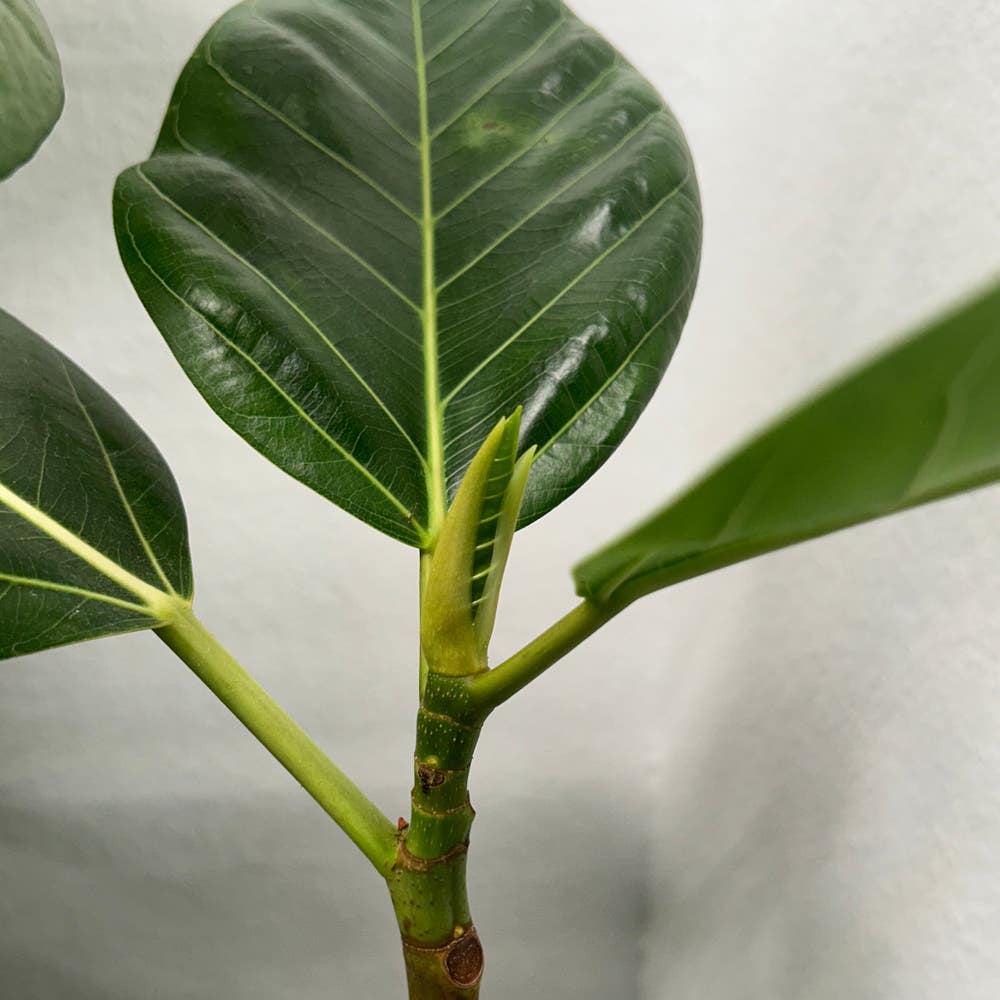
Ficus altissima 'Yellow Gem'
By the Greg Editorial Team
Sep 30, 2024•6 min read
This article was created with the help of AI so we can cover more plants for you. May contain errors. See one? Report it here.
Cultivate a stunning Ficus 'Yellow Gem' 🌿 with essential care tips for vibrant growth and lasting beauty!
- 🌞 Bright, indirect sunlight is crucial for Ficus 'Yellow Gem' variegation.
- 💧 Maintain humidity and temperature for healthy growth; aim for 65°F to 80°F.
- 🌱 Use well-draining soil and water when the top inch feels dry to prevent root rot.
Choosing the Right Location
Light Requirements 🌞
When it comes to light, Ficus 'Yellow Gem' thrives best in bright, indirect sunlight. While it can tolerate low light conditions, this may impact its beautiful variegation.
Temperature and Humidity Preferences 🌡️
For optimal growth, maintain a temperature range between 65°F to 80°F (18°C to 27°C). High humidity is preferred, so consider using humidity trays or misting to keep your plant happy.
Space Considerations for Growth 📏
If you're planting outdoors, space your Ficus 'Yellow Gem' about 3-4 feet apart to allow for proper growth. For indoor planting, choose a container that is 10-12 inches in diameter to give your plant enough room to flourish.
With the right location secured, you’re well on your way to nurturing a vibrant Ficus 'Yellow Gem'. Next, let’s dive into soil preparation and planting techniques to ensure your plant has the best foundation for growth.
Soil Preparation and Planting
🌱 Ideal Soil Composition
For your Ficus 'Yellow Gem', a well-draining potting mix is essential. Opt for a peat-based mix enriched with perlite or sand to ensure aeration and drainage.
The ideal soil pH should be slightly acidic to neutral, ranging from 6.0 to 7.0. This balance promotes healthy growth and nutrient absorption.
🌿 Steps for Planting
Container Planting
- Start by choosing a pot with drainage holes to prevent waterlogging.
- Fill the pot with your prepared soil mix, ensuring it’s loose and airy.
- Plant your Ficus at the same depth it was in the nursery pot to maintain stability.
Ground Planting
- Dig a hole that’s twice the width of the root ball to give roots ample space.
- Amend the soil with organic matter to enrich it.
- Water thoroughly after planting to help settle the soil around the roots.
🚰 Importance of Drainage
Proper drainage is crucial to avoid root rot, which can be detrimental to your plant's health.
To enhance drainage, consider adding gravel or sand to your soil mix. This simple step can make a significant difference in your plant's vitality.
With the right soil and planting techniques, your Ficus 'Yellow Gem' will thrive beautifully. Next, let’s explore how to keep it well-watered and nourished for optimal growth.
Watering and Fertilizing
💧 Watering Frequency and Techniques
Watering your Ficus 'Yellow Gem' is straightforward. The general rule is to water when the top inch of soil feels dry.
Deep watering is key; it encourages strong root growth. This technique ensures that moisture reaches the deeper roots, promoting a healthy plant.
🌱 Best Fertilizers
When it comes to fertilizers, a balanced liquid option like NPK 10-10-10 works wonders. Apply it every 4-6 weeks during the growing season for optimal results.
This regular feeding helps your plant thrive, ensuring vibrant foliage and robust growth.
⚖️ Signs of Overwatering and Underwatering
Recognizing the signs of overwatering is crucial. Look for yellowing leaves, wilting, or even root rot as indicators that you might be giving too much water.
On the flip side, underwatering manifests as crispy leaf edges and drooping leaves. Adjust your watering routine based on these signs to keep your Ficus healthy and happy.
With proper watering and fertilizing, your Ficus 'Yellow Gem' will flourish. Next, let’s explore effective pruning and maintenance techniques to keep your plant in top shape.
Pruning and Maintenance
When and How to Prune 🌿
The best time to prune your Ficus 'Yellow Gem' is late spring to early summer. Use clean, sharp pruning shears to remove any dead or damaged leaves, ensuring your plant stays healthy and vibrant.
Importance of Regular Maintenance 🧹
Regular maintenance is crucial for encouraging bushier growth and preventing a leggy appearance. It also plays a vital role in managing pests and diseases, keeping your plant in top shape.
Techniques for Shaping and Encouraging Growth ✂️
To promote branching, pinch back the tips of your plant. Additionally, thinning out crowded areas improves air circulation, which is essential for a thriving Ficus.
By following these pruning and maintenance tips, you'll set your Ficus 'Yellow Gem' up for success. Next, let’s explore common challenges and solutions to keep your plant flourishing.
Common Challenges and Solutions
🐛 Identifying and Managing Pests
Pests can be a real headache for your Ficus 'Yellow Gem'. Two common culprits are spider mites and scale.
Common Pests
- Spider Mites: Look for webbing and stippled leaves. These tiny pests thrive in dry conditions and can quickly damage your plant.
- Scale: These appear as hard, sticky bumps on stems and leaves. They suck the sap, weakening your plant over time.
Control Methods
To tackle these pests, consider using insecticidal soap or neem oil. Regularly inspect and clean the leaves to keep infestations at bay.
🦠 Addressing Diseases
Diseases can also plague your Ficus, but knowing the signs can help you act quickly.
Common Diseases
- Root Rot: Symptoms include wilting and mushy roots. This often results from overwatering or poor drainage.
- Leaf Drop: This can occur due to stress factors like overwatering or sudden temperature changes.
Prevention and Treatment
To prevent these issues, ensure proper watering techniques and maintain good soil drainage. If you notice affected leaves, remove them and improve air circulation around your plant.
🛠️ Tips for Troubleshooting Growth Issues
If your Ficus isn't thriving, it might be time to troubleshoot.
- Monitor Environmental Conditions: Keep an eye on light, temperature, and humidity levels.
- Adjust Care Routine: Tailor your care based on how your plant responds. Small changes can lead to significant improvements.
By staying vigilant and proactive, you can keep your Ficus 'Yellow Gem' healthy and vibrant. Next, let’s explore effective propagation techniques to expand your collection!
Propagation Techniques
Methods of Propagation 🌱
Propagating your Ficus 'Yellow Gem' can be both rewarding and straightforward. Here are two effective methods to help you expand your plant collection.
Stem Cuttings
- Select Healthy Stems: Choose stems that are 4-6 inches long and free from disease.
- Prepare the Cutting: Remove the lower leaves and dip the cut end in rooting hormone to encourage growth.
- Planting: Place the cutting in a well-draining medium and keep it moist to promote root development.
Air Layering
- Choose a Healthy Branch: Identify a robust branch and make a small cut to initiate root growth.
- Wrap the Cut: Surround the cut area with moist sphagnum moss and cover it with plastic wrap to retain moisture.
- Wait for Roots: Allow time for roots to develop before cutting the branch and planting it in soil.
Timing for Propagation ⏰
The best time to propagate Ficus 'Yellow Gem' is in spring or early summer. This timing aligns with the plant's active growth phase, increasing your chances of success.
With these propagation techniques, you can easily multiply your Ficus 'Yellow Gem' and enjoy its vibrant foliage in multiple locations. Next, let’s explore common challenges and solutions to keep your plant thriving.
⚠️ Safety First
This content is for general information and may contain errors, omissions, or outdated details. It is not medical, veterinary advice, or an endorsement of therapeutic claims.
Always consult a qualified healthcare professional before using any plant as food, medicine, or supplement.
Never eat any plant (or feed one to pets) without confirming its identity with at least two trusted sources.
If you suspect poisoning, call Poison Control (800) 222-1222, the Pet Poison Helpline (800) 213-6680, or your local emergency service immediately.
Spotted an error? Please report it here.
Grow your Ficus 'Yellow Gem' flourishingly 🌿 with Greg's tailored care reminders and expert tips that ensure it thrives in its perfect environment!