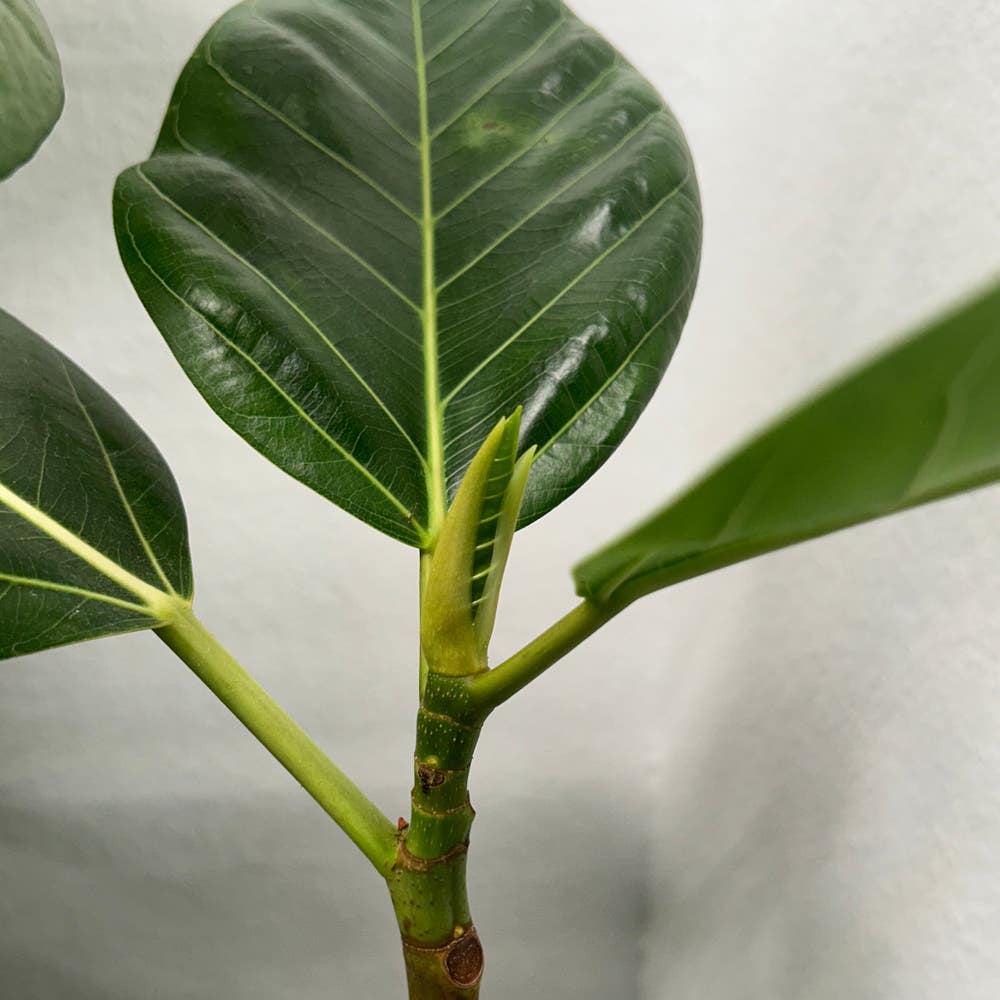
💧 How Much Humidity Does My Ficus altissima 'Yellow Gem' Need?
Ficus altissima 'Yellow Gem'
By the Greg Editorial Team
Jan 27, 2024•3 min read
This article was created with the help of AI so we can cover more plants for you. May contain errors. See one? Report it here.
Ensure your 'Yellow Gem' flourishes 🌿 by hitting the 50% humidity sweet spot!
- 50% relative humidity is the sweet spot for Ficus altissima 'Yellow Gem'.
- Crispy leaves signal low humidity; use pebble trays to increase moisture.
- High humidity invites fungi; combat with airflow and dehumidifiers.
Spotting Your 'Yellow Gem's' Humidity Sweet Spot
🌿 What's the Deal with Humidity?
Relative humidity (RH) is the linchpin for your Ficus altissima 'Yellow Gem's' well-being. It's the percentage that shows how saturated the air is with moisture relative to what it can hold at a specific temperature. Your 'Yellow Gem' doesn't just prefer humidity; it thrives on it.
🏡 Home Sweet Humid Home
Assess your home's humidity to ensure it's neither a desert nor a swamp for your 'Yellow Gem'. Use a hygrometer to measure RH; it's the unsung hero in plant care. If your readings are consistently low, it's time to take action. Conversely, if they're high, you'll need to dial it back.
When Your 'Yellow Gem' Gets Thirsty: Low Humidity Woes
🌵 Signs Your Plant is Humidity-Hungry
Your Ficus altissima 'Yellow Gem' is a bit of a drama queen when it comes to air moisture. Crispy leaves with brown edges are its way of throwing a tantrum for more humidity. If the foliage feels as dry as yesterday's toast, it's a clear signal your plant is living in a desert. Don't wait for the leaves to go full potato chip on you—act fast.
💦 Quenching the Thirst
Boosting humidity for your 'Yellow Gem' doesn't mean you have to live in a steam bath. Grouping plants together is like throwing a mini rainforest party—everyone shares the moisture. A pebble tray is a classic move; just make sure your plant isn't sitting in water. If you're tech-savvy, a humidifier can be your best friend, offering a steady mist of life-giving moisture. Remember, it's about creating a tropical vibe, not a swamp. Keep the air moving; stagnant humidity is about as helpful as a chocolate teapot.
Too Much of a Good Thing: High Humidity Havoc
🌧️ Telltale Signs of Overindulgence
When your Ficus altissima 'Yellow Gem' starts to look like it's had a rough night, it's time to check the humidity. Drooping leaves and the appearance of fungal guests are clear distress signals. If it's more wilted than a salad in the sun, you've got a humidity issue on your hands.
🌬️ Drying Out the Excess
To combat the moisture madness, start by relocating your plant away from high-humidity hotspots like the kitchen or bathroom. Introduce airflow with fans or open windows to keep the atmosphere around your 'Yellow Gem' from feeling like a tropical storm. If you've got a hygrometer, use it to monitor your progress; aim for that sweet spot where your plant neither gasps for moisture nor drowns in it.
Balancing Act: Maintaining Ideal Humidity
💦 The Goldilocks Zone for Your 'Yellow Gem'
Your Ficus altissima 'Yellow Gem' craves humidity that's just right. Aim for that sweet spot, typically around 50% relative humidity. It's the zone where your plant's leaves won't throw a tantrum, and you won't have to deal with the drama of dryness or the chaos of overwatering.
🛠 Tools of the Trade
To keep your 'Yellow Gem' thriving, hygrometers are your best bet. They're like personal climate control ninjas, allowing you to monitor and adjust the humidity levels with precision. If you're in a dry zone, a pebble tray or an occasional misting can work wonders. Conversely, if your home feels like a swamp, consider a dehumidifier to keep things in check. Remember, gadgets need love too—regular maintenance ensures they keep giving you the accurate readings your plant needs.
⚠️ Safety First
This content is for general information and may contain errors, omissions, or outdated details. It is not medical, veterinary advice, or an endorsement of therapeutic claims.
Always consult a qualified healthcare professional before using any plant as food, medicine, or supplement.
Never eat any plant (or feed one to pets) without confirming its identity with at least two trusted sources.
If you suspect poisoning, call Poison Control (800) 222-1222, the Pet Poison Helpline (800) 213-6680, or your local emergency service immediately.
Spotted an error? Please report it here.
Keep your Ficus altissima 'Yellow Gem' flourishing by letting Greg track 🌡 your home's humidity and offer personalized advice to maintain that perfect 50% balance.