🐞 What To Do About Bugs on My Ficus altissima 'Yellow Gem'?
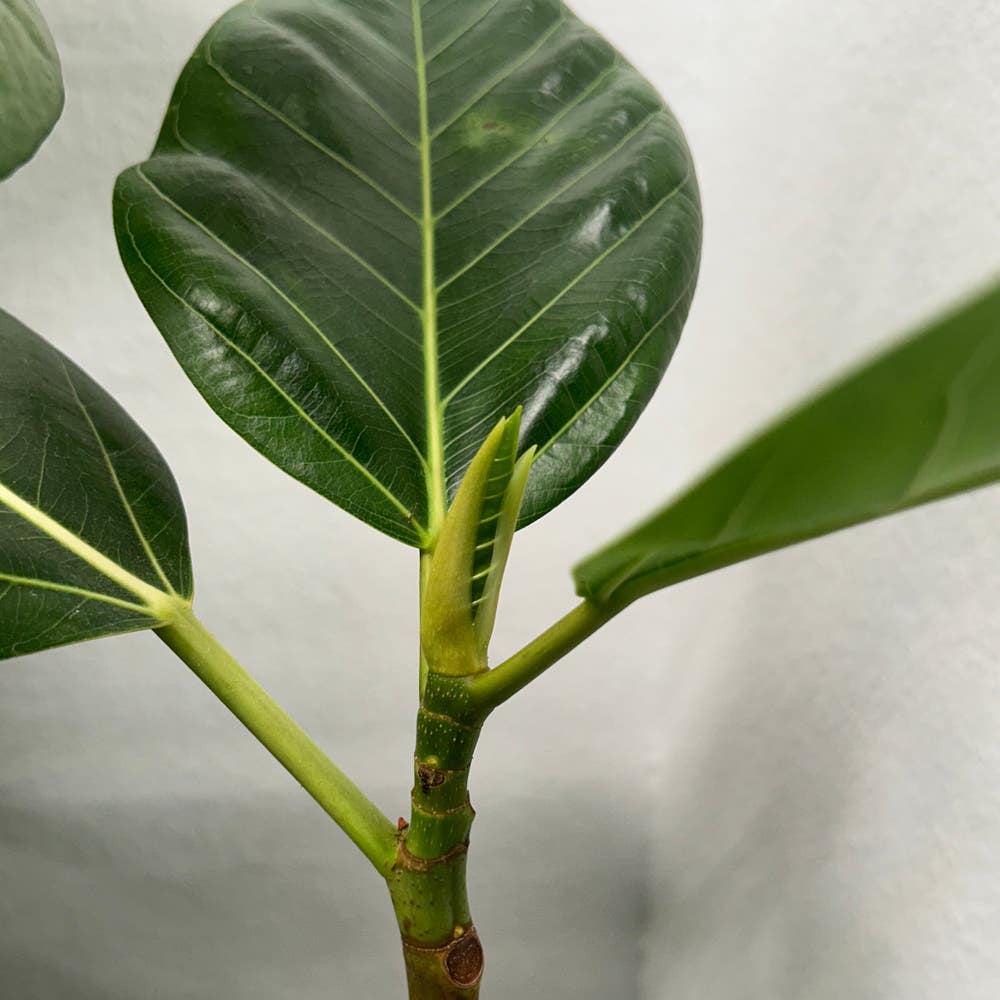
Ficus altissima 'Yellow Gem'
By the Greg Editorial Team
Jun 18, 2024•3 min read
This article was created with the help of AI so we can cover more plants for you. May contain errors. See one? Report it here.
Banish bugs 🐛 from your beloved 'Yellow Gem' with our expert pest-fighting tactics! 🛡️
- 🕷️ Webbing and stippling signal spider mites; bumps indicate scale insects.
- 🌱 Neem oil, humidity control, and drying soil are key in battling bugs.
- 🛡️ Regular check-ups and quarantine help prevent pest infestations.
Spotting the Culprits: Identifying Common Pests
🕷️ Spider Mites
Webbing on your Ficus altissima 'Yellow Gem' is a dead giveaway—spider mites are at play. Look for leaf stippling, a pattern of tiny dots where these tiny vampires have sucked the life out of plant cells.
🛡️ Scale Insects
These pests masquerade as bumps on stems and leaves. If you spot these shield-like formations, you've got scale insects squatting on your plant.
🦟 Fungus Gnats and Fruit Flies
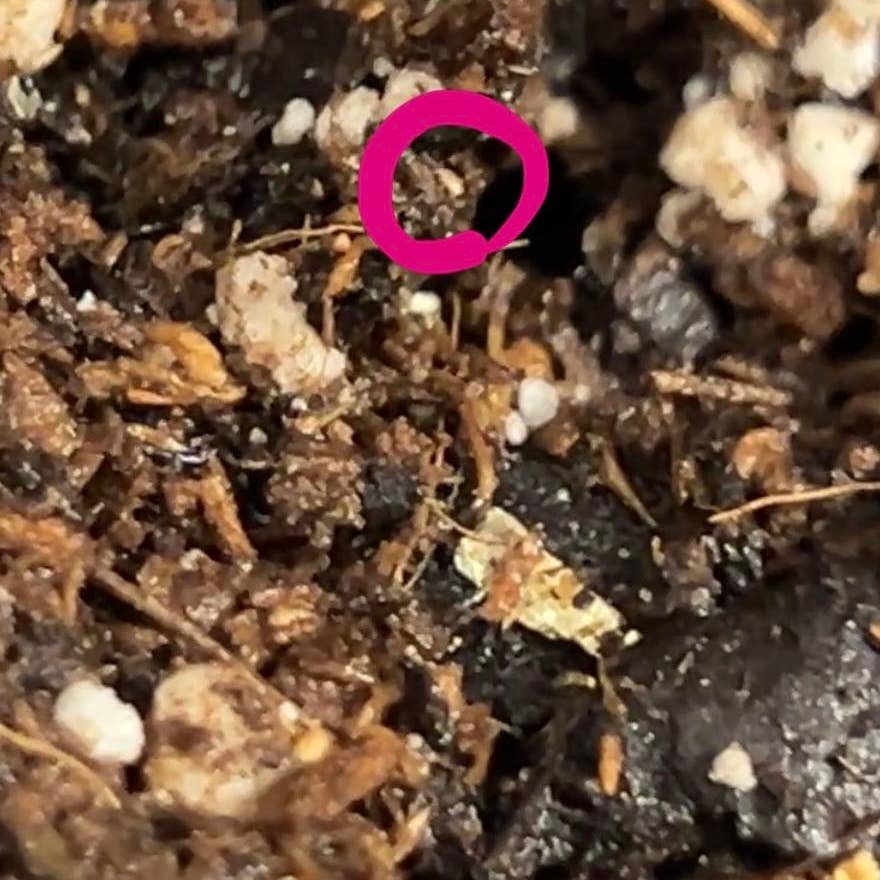
See adults buzzing around? Larvae in the soil? That's the fungus gnats' and fruit flies' signature move. They love the moist environment your plant offers.
🐞 Mealybugs
Cottony clusters on your plant? That's the mealybugs' calling card. These pests leave a fluffy mess, and they're not shy about it.

Battling the Bugs: Effective Remedies
🕷️ Spider Mites
Neem oil and humidity control are your weapons of choice against spider mites. Increase moisture to deter them and apply neem oil with the precision of a sharpshooter for best results.
🦟 Scale Insects
Get physical by scraping off scale insects. Follow up with horticultural oil, coating these pests like a second skin they can't survive in.
🦟 Fungus Gnats and Fruit Flies
Embrace the dryness; let the soil go thirsty until the top layer is parched. Deploy sticky traps to catch adults mid-flight.
🐛 Mealybugs
For these cottony critters, alcohol swabs are your pinpoint attack. A soapy water mixture acts as a broader strike, smothering these pests on contact.
The Unusual Suspects: Less Common Pests
🐜 Thrips
Silvery streaks on leaves and distorted growth are the hallmarks of thrips. These tiny insects are masters of stealth, often going unnoticed until the damage is significant. Thrips can be black or white, with the adults sporting wings and the larvae remaining wingless. They're sap-suckers, causing damage and potentially spreading viruses between plants.
To combat them, introduce natural predators like ladybugs or lacewings, which can help keep the population in check. If you're more of a hands-on plant parent, blue or yellow sticky traps can help catch these pests. Regular plant inspections are crucial; if you spot thrips, it's time to act fast.
🦟 Whiteflies
Whiteflies are tiny winged pests that create a cloud of despair when disturbed. They're harmful, sucking the life out of your plant's leaves. Yellow sticky traps are effective in catching these pests, acting as a first line of defense.
For a more aggressive approach, neem oil and insecticidal soap are your go-to options. If your plants are outdoors, consider enlisting the help of hummingbirds—they're natural whitefly predators. Regular monitoring and immediate action upon detection are key to controlling these pests.
Keeping the Bugs at Bay: Prevention Tips
🕵️♂️ Regular Plant Check-ups: The First Line of Defense
Inspect your Ficus altissima 'Yellow Gem' like it's a part of the family, because, well, it is. Look under the leaves, check the stems, and be on the lookout for any signs of uninvited guests. It's like a game of I Spy, but with bugs.
🚧 Quarantine for Newbies: Keeping Newcomers Isolated
When you bring home a new plant, don't just plop it down next to your 'Yellow Gem'. Quarantine it instead. Think of it as a necessary introvert's holiday for your plant, away from the others, to ensure it's not a bug Trojan horse.
💨 The Right Environment: Air Flow and Watering Wisdom
Airflow is your secret weapon. Keep it breezy around your Ficus to discourage stagnant air that pests adore. Watering wisdom is key, too. Only water when necessary, and make sure your plant isn't sitting in soggy soil—it's a bug's version of a hot tub party.
⚠️ Safety First
This content is for general information and may contain errors, omissions, or outdated details. It is not medical, veterinary advice, or an endorsement of therapeutic claims.
Always consult a qualified healthcare professional before using any plant as food, medicine, or supplement.
Never eat any plant (or feed one to pets) without confirming its identity with at least two trusted sources.
If you suspect poisoning, call Poison Control (800) 222-1222, the Pet Poison Helpline (800) 213-6680, or your local emergency service immediately.
Spotted an error? Please report it here.
Eradicate pests from your Ficus altissima 'Yellow Gem' with precision 🎯 by using Greg's custom care plans and timely reminders for plant health check-ups!