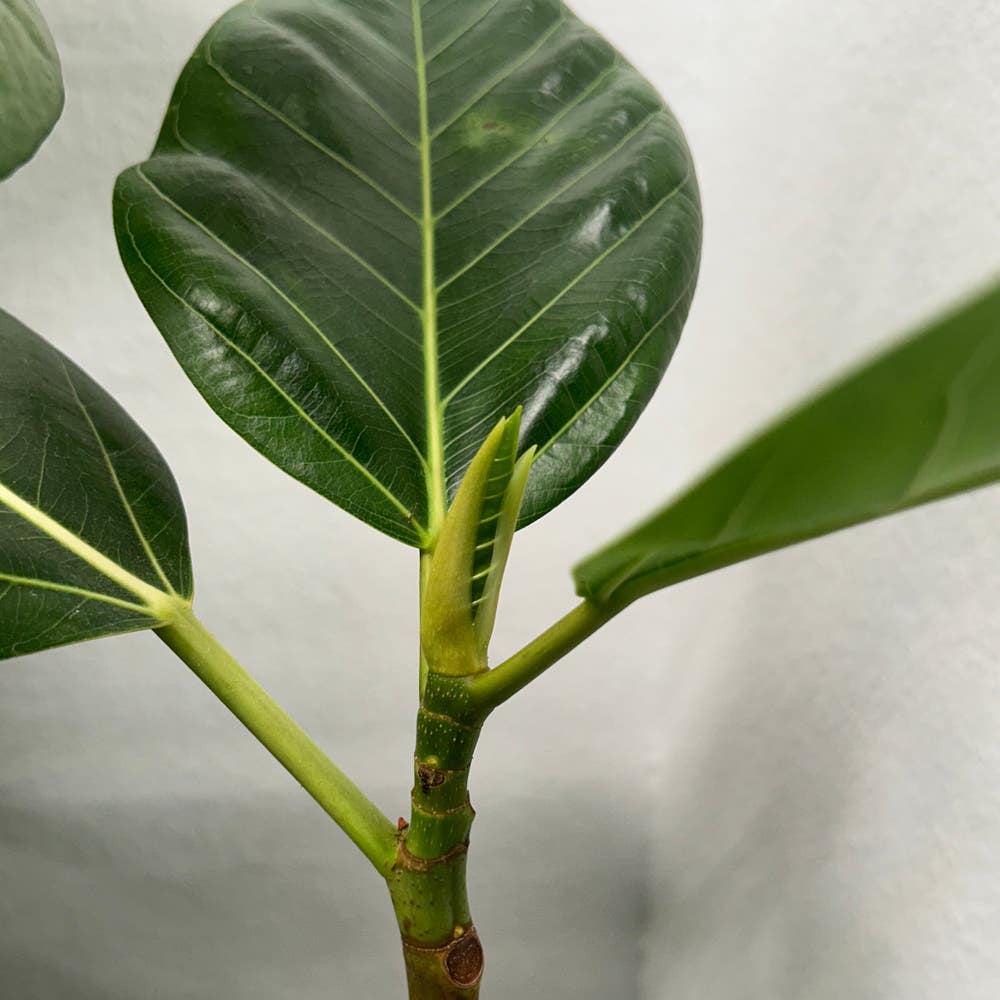
3 Ideal Companions for Your Ficus 'Yellow Gem' 🥰
Ficus altissima 'Yellow Gem'
By the Greg Editorial Team
Sep 30, 2024•4 min read
This article was created with the help of AI so we can cover more plants for you. May contain errors. See one? Report it here.
Elevate your Ficus 'Yellow Gem' with perfect companions for beauty and pest control! 🌿✨
- 🌱 Pothos, Snake Plant, and Spider Plant are ideal companions for Ficus 'Yellow Gem'.
- 🐜 Companion plants deter pests like mealybugs and aphids, promoting Ficus health.
- 🎨 Layering these plants enhances beauty and creates a vibrant indoor ecosystem.
Ideal Companion Plants for Ficus 'Yellow Gem'
🌿 Pothos
Pothos is a stunning trailing vine characterized by its heart-shaped leaves. This plant not only complements the bushy growth of your Ficus 'Yellow Gem' but also adds a lush, vibrant touch to your indoor space.
Caring for Pothos is straightforward; it thrives in bright, indirect light, making it an ideal match for your Ficus. Additionally, it enhances humidity levels and acts as a natural air purifier, creating a healthier environment.
🐍 Snake Plant
The Snake Plant stands out with its striking green and yellow variegated leaves. Its upright form provides a beautiful contrast to the bushy Ficus, adding visual interest to your plant arrangement.
This hardy plant tolerates low light but truly thrives in bright, indirect light. Known for its pest-repelling properties, the Snake Plant can help keep spider mites and other pests at bay.
🕷️ Spider Plant
The Spider Plant features rosette-forming growth with arching green and white striped leaves. Its unique shape and texture create a soft, cascading effect that beautifully complements the Ficus.
This plant prefers bright, indirect light and well-draining soil. Beyond aesthetics, the Spider Plant improves humidity levels and serves as a natural deterrent against aphids, making it a practical companion for your Ficus 'Yellow Gem'.
These companion plants not only enhance the beauty of your Ficus but also contribute to a healthier indoor environment. Next, let’s explore how these companions can help manage pests effectively.
Pest Management through Companion Planting
How Companion Plants Can Deter Pests 🌱
Companion planting is a smart strategy for managing pests that might threaten your Ficus 'Yellow Gem'. Certain plants naturally repel common pests, creating a healthier environment for your ficus.
Integrating these plants into your setup not only enhances pest management but also promotes a thriving ecosystem. By choosing the right companions, you can effectively reduce the likelihood of infestations.
Specific Pest-Repellent Properties of Chosen Companions 🛡️
Pothos
Pothos is a fantastic companion for your Ficus 'Yellow Gem'. It effectively deters common indoor pests like mealybugs, making it a protective ally.
Snake Plant
The Snake Plant stands out with its striking appearance and pest-repelling qualities. It's known to repel spider mites, ensuring your ficus remains safe from these pesky invaders.
Spider Plant
Spider Plants are another excellent choice. They are effective against aphids, providing an additional layer of defense for your Ficus 'Yellow Gem'.
By incorporating these companion plants, you not only enhance pest management but also create a vibrant, healthy indoor garden. Next, let’s explore how these companions can elevate the visual appeal of your plant arrangement.
Visual Appeal and Aesthetic Benefits
🌿 How Companion Plants Enhance the Visual Appeal
Companion plants can transform your Ficus 'Yellow Gem' into a stunning focal point. By incorporating plants with contrasting shapes and colors, you create a visually striking arrangement that draws the eye.
Layering plants adds depth and interest to your indoor garden. This technique not only highlights the unique features of each plant but also creates a lush, vibrant atmosphere.
🎨 Color and Texture Combinations
Pothos brings bright green leaves that beautifully contrast with the yellow-green foliage of the Ficus. This combination creates a lively and refreshing look.
The Snake Plant's upright form introduces height and structure, adding a bold element to your arrangement. Its striking appearance complements the softer textures of other plants.
Spider Plant contributes with its arching leaves, creating a soft, cascading effect. This gentle movement adds a dynamic quality to your plant display, enhancing the overall aesthetic.
Incorporating these companion plants not only elevates the visual appeal but also fosters a harmonious environment for your Ficus 'Yellow Gem'. As you explore these combinations, consider how each plant's unique characteristics can work together to create a stunning indoor landscape.
Next, let’s delve into how these companion plants can also play a role in pest management.
Plants to Avoid Near Ficus 'Yellow Gem'
🚫 Incompatible Plants to Consider
When planning your indoor garden, it's essential to know which plants to keep away from your Ficus 'Yellow Gem'. Specifically, avoid cacti and succulents, as they have very different watering needs.
❌ Reasons for Incompatibility
Differing care needs can lead to trouble. Ficus 'Yellow Gem' is sensitive to overwatering, while cacti and succulents thrive on minimal moisture.
Certain plants can also attract pests that may harm your Ficus. For instance, some succulents can draw in mealybugs, which are not friends of your ficus.
Lastly, competition for resources is a significant concern. Incompatible growth habits can lead to poor health for one or both plants, stunting their growth and vitality.
By being mindful of these factors, you can create a thriving indoor garden that supports your Ficus 'Yellow Gem' and its companions. Next, let’s explore how companion plants can enhance pest management through strategic planting.
⚠️ Safety First
This content is for general information and may contain errors, omissions, or outdated details. It is not medical, veterinary advice, or an endorsement of therapeutic claims.
Always consult a qualified healthcare professional before using any plant as food, medicine, or supplement.
Never eat any plant (or feed one to pets) without confirming its identity with at least two trusted sources.
If you suspect poisoning, call Poison Control (800) 222-1222, the Pet Poison Helpline (800) 213-6680, or your local emergency service immediately.
Spotted an error? Please report it here.
Elevate your Ficus 'Yellow Gem' with perfect companions like Pothos and Snake Plant 🌱, and let Greg guide you with tailored care tips to create a vibrant indoor ecosystem!