🌸 Best Tips for Blooming Tiscalatengo Gorge Sedum
Sedum clavatum
By the Greg Editorial Team
Sep 30, 2024•5 min read
This article was created with the help of AI so we can cover more plants for you. May contain errors. See one? Report it here.
Uncover the hidden beauty of Tiscalatengo Gorge Sedum 🌱, a resilient gem that thrives even without its rare blooms!
- 🌼 Tiscalatengo Gorge Sedum blooms with small yellow or white flowers, often unnoticed.
- ☀️ Ensure 6-8 hours of sunlight daily to encourage blooming and healthy growth.
- 💧 Allow soil to dry out between waterings for optimal flowering and plant health.
Flowering Status
Clarification on Flowering Status 🌸
Tiscalatengo Gorge Sedum is primarily celebrated for its striking succulent foliage. While it can produce small, inconspicuous flowers, these blooms often go unnoticed, making it essential to understand the plant's flowering status for effective care and realistic expectations.
Reasons for Non-Flowering 🚫
The ornamental appeal of Tiscalatengo Gorge Sedum largely stems from its vibrant leaves rather than its flowers. This focus on foliage is a common trait among drought-resistant plants, which may prioritize survival over blooming in arid conditions.
Environmental factors also play a significant role in flowering. Insufficient sunlight, poor soil quality, or extreme temperatures can inhibit the plant's ability to produce flowers, emphasizing the need for proper care to encourage blooming.
Understanding these aspects can help you appreciate the plant's unique beauty, even if it doesn't flower as expected.
If Tiscalatengo Gorge Sedum Flowers
🌼 Flower Characteristics
Description of Flower Colors and Structure
Tiscalatengo Gorge Sedum typically showcases flowers in pale yellow or white hues. These blooms form small clusters that create a flower spike, compact in size and often overshadowed by the plant's lush foliage.
Self-Pollination vs. External Pollination
This plant exhibits self-pollinating tendencies, meaning it can fertilize itself without needing external help. However, external pollinators may still play a role, enhancing the chances of successful reproduction.
🌸 Blooming Process
Stages of Blooming
The blooming process begins with bud formation, where flower spikes start to develop. This progresses through various stages, culminating in full bloom, showcasing the plant's beauty.
Typical Bloom Time and Duration from Bud to Full Bloom
Expect blooms to appear from late spring to early summer. The journey from bud formation to full bloom typically takes about 2-4 weeks.
Lifespan of Flowers
Once in bloom, the flowers usually last for 1-2 weeks. Their lifespan can be influenced by environmental conditions and care practices, so keep an eye on them!
🌱 Encouraging Blooms
Tips for Promoting Flowering
- Ensure adequate sunlight: Aim for full sun exposure of 6-8 hours daily.
- Watering practices: Avoid overwatering; let the soil dry out between waterings.
- Fertilization: Use a balanced fertilizer during the growing season to boost growth.
Factors Influencing Flowering
Soil quality is crucial; well-draining, nutrient-rich soil promotes healthy blooms. Additionally, temperature and humidity play significant roles, while stress factors like drought or poor care can hinder flowering.
🌿 Post-Flowering
What Happens After Flowering
After flowering, the plant may enter a phase of dormancy or continue to grow. Deadheading spent flowers is essential, as it encourages new growth and keeps the plant looking tidy.
Information on Plant Life Cycle Post-Bloom
Post-bloom, Tiscalatengo Gorge Sedum can reproduce vegetatively through offsets or cuttings. This means the plant continues to thrive rather than dying after flowering, ensuring its longevity in your garden.
With these insights, you can better appreciate the flowering process of Tiscalatengo Gorge Sedum and take steps to encourage its blooms. Next, let’s explore what happens if this plant doesn’t flower at all.
If Tiscalatengo Gorge Sedum Doesn't Flower
🌿 Primary Ornamental or Functional Features
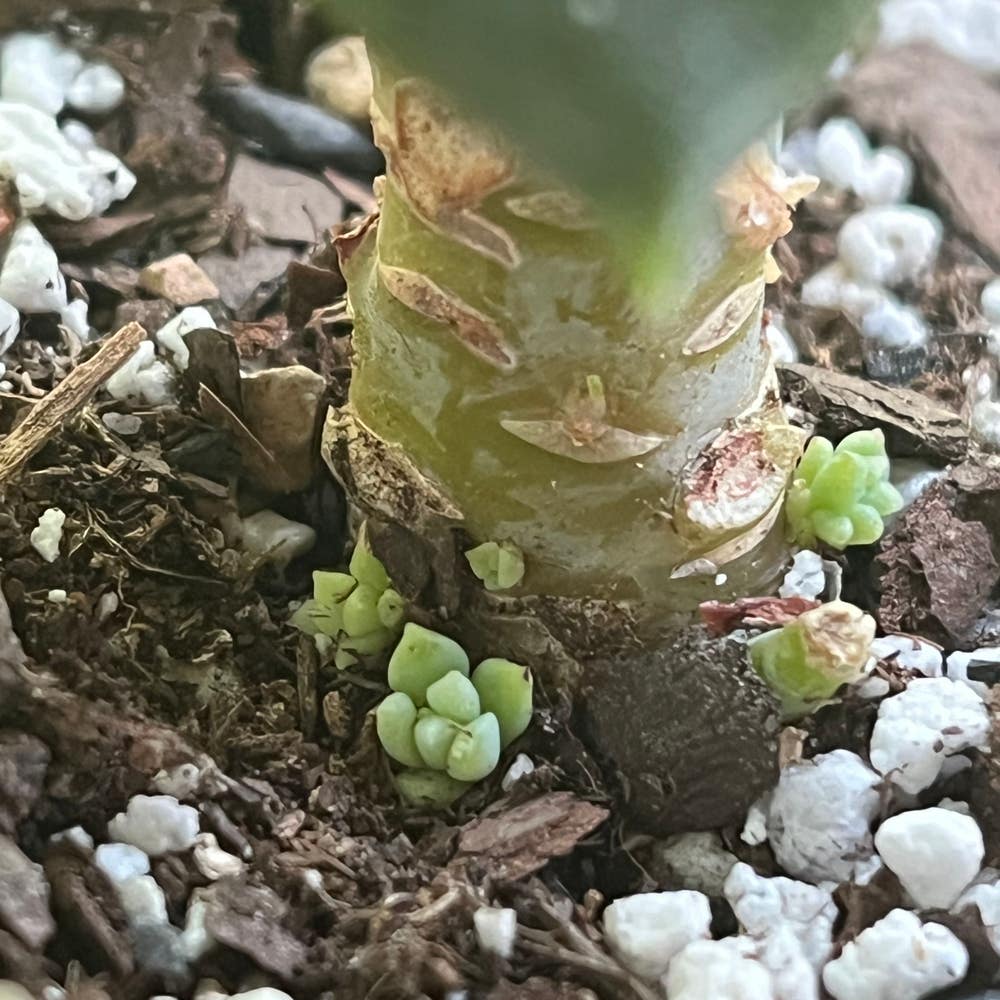
Tiscalatengo Gorge Sedum is primarily celebrated for its stunning succulent foliage. The rich green color and unique texture create a vibrant display that can brighten any garden.
This plant thrives in various landscaping settings, making it a favorite for rock gardens and as ground cover. Its drought-resistant nature means it can flourish even in challenging conditions, providing beauty without demanding excessive care.
🌱 Reproductive Strategies Without Flowers
Even without flowers, Tiscalatengo Gorge Sedum has impressive reproductive strategies. It primarily reproduces through offsets and cuttings, allowing it to spread and thrive.
This method of vegetative reproduction is crucial for its survival. It ensures that even in less-than-ideal conditions, the plant can continue to propagate and maintain its presence in the landscape.
By understanding these features and strategies, gardeners can appreciate the Tiscalatengo Gorge Sedum for more than just its flowers. This resilient plant offers a wealth of beauty and functionality, making it a valuable addition to any garden.
As we explore the unique aspects of this plant, we’ll uncover even more fascinating traits that contribute to its charm and adaptability.
Unique Aspects
🌼 Unusual Characteristics Related to Flowering or Non-Flowering
Tiscalatengo Gorge Sedum is a master of adaptation, thriving in arid environments. Its drought resistance means it prioritizes succulent foliage over flowers, making it a stunning choice for low-maintenance gardens.
This plant's unique growth habit is another highlight. It features a low-growing, spreading nature that allows it to cover ground effectively, creating a lush carpet of green that can withstand harsh conditions.
🤓 Interesting Facts or Trivia About Reproductive Strategies
Historically, Sedum has found its place in traditional medicine and landscaping. Its resilience and aesthetic appeal have made it a favorite for gardeners looking to add character to their spaces.
When comparing Tiscalatengo Gorge Sedum to other varieties, you'll notice distinct differences in flowering characteristics. Some Sedum types boast vibrant blooms, while others, like this one, focus on foliage, showcasing the diversity within this fascinating genus.
As you explore the world of Sedum, you'll appreciate not just its beauty but also its remarkable ability to thrive in challenging environments. This plant is a testament to nature's ingenuity and a perfect addition to any garden.
⚠️ Safety First
This content is for general information and may contain errors, omissions, or outdated details. It is not medical, veterinary advice, or an endorsement of therapeutic claims.
Always consult a qualified healthcare professional before using any plant as food, medicine, or supplement.
Never eat any plant (or feed one to pets) without confirming its identity with at least two trusted sources.
If you suspect poisoning, call Poison Control (800) 222-1222, the Pet Poison Helpline (800) 213-6680, or your local emergency service immediately.
Spotted an error? Please report it here.
Unlock the blooming potential of your Tiscalatengo Gorge Sedum 🌼 with Greg's tailored care tips and reminders, ensuring your plant thrives in sunlight and soil for a stunning display!