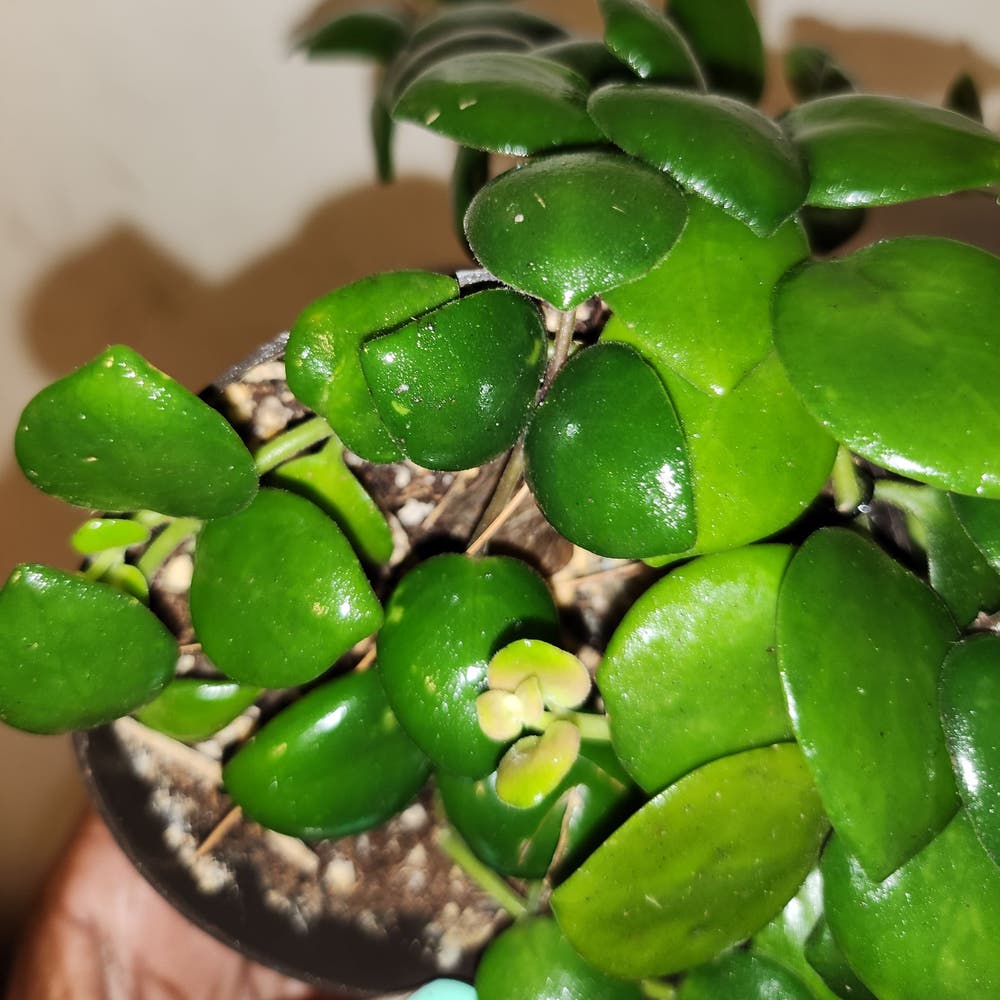
Why Are My Thai Pink Lipstick Plant Leaves Turning Yellow? 🍂
Aeschynanthus 'Thai Pink'
By the Greg Editorial Team
Apr 14, 2024•4 min read
This article was created with the help of AI so we can cover more plants for you. May contain errors. See one? Report it here.
Prevent yellow leaves and maintain your Thai Pink Lipstick Plant's vibrancy with these essential care secrets. 🌿🎨
- 💧 Balance watering: Let topsoil dry before watering, check soil moisture.
- 🌱 Nutrient balance is key: Use balanced fertilizer, avoid overfeeding.
- 🐛 Prevent pests: Regular checks and early treatment with safe products.
Water Woes: Striking the Right Balance
🌊 Overwatering: The Root of the Problem
Overwatering is a common misstep that can leave your Thai Pink Lipstick Plant's leaves turning as yellow as a school bus. Soggy soil, limp stems, and a general look of despair are the plant's way of saying, "I'm drowning here!" To adjust your watering habits, let the topsoil dry out before you reach for the watering can again. Think of it as giving your plant a breather between swims.
🏜️ Underwatering: When Thirst Leads to Yellow
Conversely, underwatering will have your plant gasping for moisture. If the leaves are droopier than a Monday morning mood and the soil is as dry as a stand-up comedian's wit, it's time to hydrate. Perfecting your watering routine involves checking the soil an inch deep; if it feels like a desert, water your plant thoroughly. Remember, consistency is key—your plant craves a stable relationship with its water source.
Feeding Your Plant: Nutrient Know-How
💡 Spotting Nutrient Deficiencies
Nitrogen, phosphorus, and potassium are the trifecta of nutrients that keep Thai Pink Lipstick Plant leaves lush and green. A nitrogen shortage is often the culprit behind yellowing leaves. Phosphorus deficiency may result in a purplish tint, and a lack of potassium can weaken the plant's overall health.
Look for yellow leaves with brown spots as a telltale sign of nitrogen deficiency. If your plant's growth seems stunted or the leaves are turning a strange color, it's time to consider a nutrient boost.
🍽️ Fertilizer Fixes
Selecting the right fertilizer is like choosing the perfect meal for your plant. A balanced, water-soluble fertilizer is often the best choice. It's like a nutrient-rich smoothie for your plant—easy to absorb and full of goodness.
Frequency is key. During the growing season, typically spring and summer, feed your Thai Pink Lipstick Plant monthly. But remember, moderation is crucial—overfeeding can lead to nutrient burn, evidenced by a white crust on the soil or browned leaf tips.
Soil testing is the unsung hero here. It's like getting a sneak peek into your plant's home, revealing what's missing from its diet. If the test shows a deficiency, consider enriching the soil with compost or adjusting the pH to keep your plant's nutrient uptake on point.
Bug Battles: Keeping Pests at Bay
🐜 Common Culprits Behind Yellow Leaves
Pests are public enemy number one for your Thai Pink Lipstick Plant. Aphids, mealybugs, and spider mites are the usual suspects, each one a tiny vampire draining the life from your plant. Look for sticky residue, webbing, or bumps on stems and leaves – these are the red flags of a pest invasion.
🛡️ Winning the War on Pests
Regular inspections are your first line of defense. Catching these critters early means you can often evict them with a simple blast of water. For tougher cases, horticultural oils and insecticidal soaps are the bouncers you need to kick pests out. Always read labels to avoid harm to beneficial insects or your health. Remember, prevention is better than cure; introduce ladybugs as natural allies and consider yellow sticky traps for flying pests.
Cultivating Health: Preventing Yellow Leaves
🌱 Consistent Care is Key
Regular maintenance is the backbone of plant health, warding off yellow leaves before they can take hold. Think of it as your plant's daily multivitamin; it might not be glamorous, but it's essential. Routine checks should be as habitual as your morning coffee, ensuring that your Thai Pink Lipstick Plant stays in tip-top shape.
🌞 Optimal Environment for Evergreen Leaves
Light: Your plant's love for bright, indirect sunlight is like a cat's love for a sunny windowsill—absolute. Too much direct sunlight can lead to a sunburn, while too little can leave your plant lackluster and longing for more.
Humidity: Aim for rainforest vibes in terms of moisture. If your home is more Sahara than Amazon, consider a humidifier or a pebble tray to up the ante on ambient moisture.
Temperature: Keep it as steady as a surgeon's hand. Fluctuations are the enemy, so place your plant away from drafty windows or heating vents that could cause temperature swings.
Airflow: Good circulation is like a breath of fresh air for your plant, helping prevent disease and pests which contribute to yellowing leaves. Make sure your indoor jungle isn't overcrowded, and if you're growing outdoors, give your plants room to breathe.
Remember, your plant doesn't need a helicopter parent hovering over it, just a reliable one who provides consistent care and a stable environment.
⚠️ Safety First
This content is for general information and may contain errors, omissions, or outdated details. It is not medical, veterinary advice, or an endorsement of therapeutic claims.
Always consult a qualified healthcare professional before using any plant as food, medicine, or supplement.
Never eat any plant (or feed one to pets) without confirming its identity with at least two trusted sources.
If you suspect poisoning, call Poison Control (800) 222-1222, the Pet Poison Helpline (800) 213-6680, or your local emergency service immediately.
Spotted an error? Please report it here.
Prevent yellow leaves on your Thai Pink Lipstick Plant by letting Greg tailor 📐 your watering and fertilizing schedule for a lush, healthy greenery.