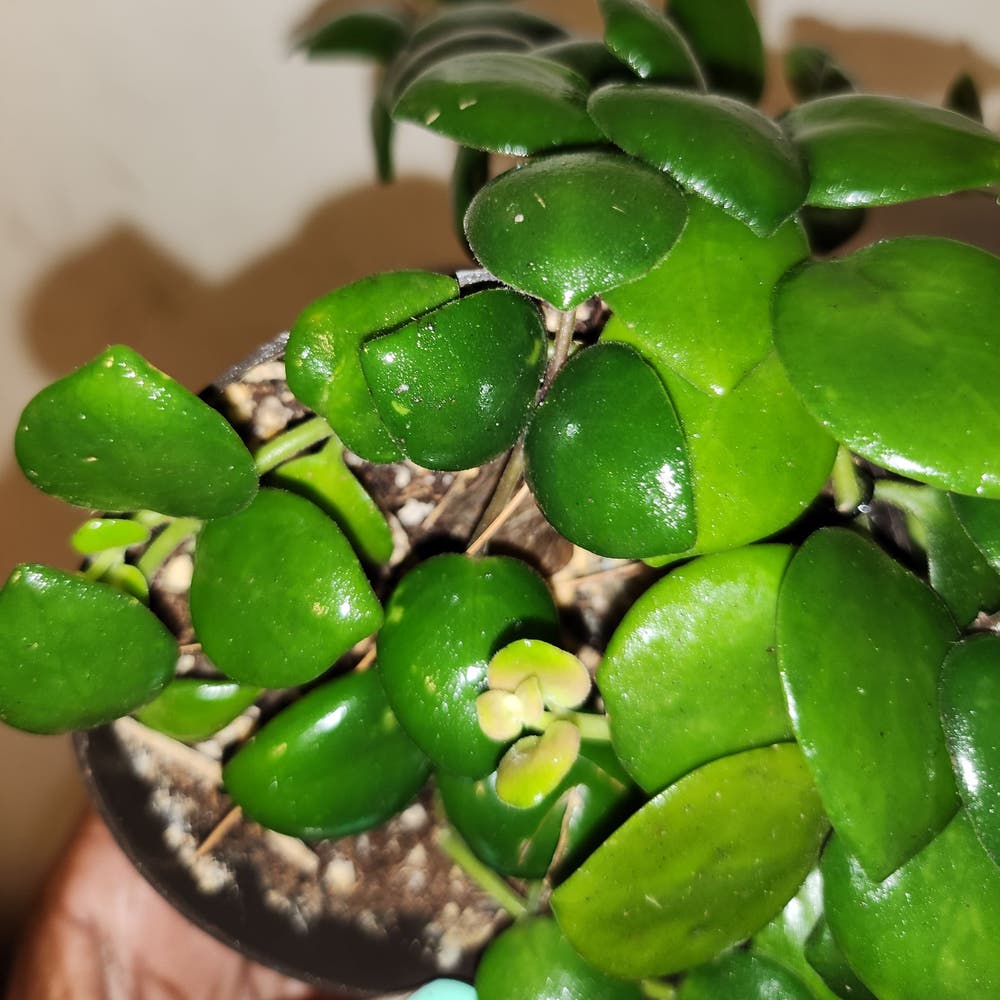
Does My Thai Pink Lipstick Plant Need Direct Sunlight?
Aeschynanthus 'Thai Pink'
By the Greg Editorial Team
Apr 14, 2024•4 min read
This article was created with the help of AI so we can cover more plants for you. May contain errors. See one? Report it here.
Nurture vibrant Thai Pink Lipstick Plants with the right light—no sunburns here! 🌿🌤️
- 🌿 Prefers bright, indirect light to mimic its tropical rainforest origins.
- Yellowing or crispy leaves? Too much sun! Adjust plant's exposure.
- Seasonal placement matters: South-facing (North) or North-facing (South) windows are best.
Sunlight Simplified: What Does Direct Really Mean?
🌞 Direct vs. Indirect Sunlight: A Quick Snapshot
Direct sunlight is the unfiltered, full-intensity solar energy that beams down on your plants. It's the kind of light that casts sharp, defined shadows. In contrast, indirect sunlight is the softer, diffused light that plants receive when direct sun is blocked or filtered through an object, like a sheer curtain.
How the Thai Pink Lipstick Plant Feels About the Sun's Embrace
The Thai Pink Lipstick Plant, with its vibrant hues, has a particular fondness for bright, indirect light. Direct sunlight can be too intense, potentially fading its colorful leaves or causing sunburn. This plant thrives when it's bathed in light that's bright enough to read by but not so harsh as to cast a strong shadow.
The Thai Pink Lipstick Plant's Sunlight Wishlist
🌴 Native Habitat Clues: What the Thai Pink Lipstick Plant is Whispering
The Thai Pink Lipstick Plant, hailing from the tropical rainforests of Southeast Asia, is an epiphyte that's used to growing on other plants, not in direct sunlight. It's a subtle hint from Mother Nature that this plant thrives in bright, filtered light. Think dappled sunlight, the kind that filters through a canopy of leaves, not the harsh glare of a midday sun.
🍃 Reading the Leaves: Signs Your Plant is Sun-Kissed or Sun-Scorched
Yellowing leaves? That's your Thai Pink Lipstick Plant telling you it's had a bit too much UV love. On the flip side, if it's stretching out like it's trying to grab something just out of reach, it's craving more light. Crispy edges and bleach spots scream 'sunburn,' while droopy leaves might as well be holding up a white flag of surrender to the heat. Keep an eye out for changes in leaf texture too—curling or spotting leaves are your plant's way of saying it's not happy with its current sunbathing situation.
Windows and Hemispheres: The Sunlight Strategy
🌞 Window Direction Decoder: Where to Place Your Plant for Perfect Light
In the Northern Hemisphere, your Thai Pink Lipstick Plant will bask in the glory of a south-facing window. This spot offers a consistent light buffet, and who doesn't love an all-day buffet? But if you're chilling in the Southern Hemisphere, it's the north-facing window that's your plant's BFF. It's like the window was made for your plant's personal sunbathing needs.
East-facing windows are the morning motivators, giving your plant a gentle wake-up call with soft sunlight. West-facing windows, on the other hand, are the afternoon party hosts, cranking up the light just when your plant is ready to rock.
🌍 Hemisphere Hints: Adjusting Care with the Seasons
Seasons are like mood swings for the sun, and your plant care should adapt to these changes. In winter, cozy up your Thai Pink Lipstick Plant closer to the window to catch those precious rays. But when summer hits, play it cool and move it back to avoid the scorching heat. It's not needy; it's just following the sun's lead without getting a sunburn.
Remember, your plant doesn't need a tan; it needs the right amount of love from the sun. Keep an eye on the sun's path, and don't be afraid to move your plant around—it's like a game of musical chairs where everyone wins.
Shielding Your Thai Pink Lipstick Plant from Too Much Love
🕶️ Sunscreen for Plants: Practical Tips to Filter Harsh Rays
Sheer curtains: the unsung heroes in the plant world. They let in light while softening the sun's harshness. Think of them as sunglasses for your Thai Pink Lipstick Plant.
DIY barriers: Get crafty. A white cardboard strategically placed can bounce back the sun, saving your plant from a crispy fate.
Window films: Stick-on solutions that cut UV rays but keep your space bright. It's like applying a gentle filter to your plant's daily photo shoot.
⏰ When to Shuffle Your Plant's Spot: Timing and Techniques
Morning moves: If your plant's leaves are looking more fried than golden, it's time to switch spots. Early hours are best for this game of musical chairs.
Seasonal shuffle: As the seasons change, so should your plant's location. Shorter days in winter? Consider a grow light. Long, sunny days in summer? Maybe it's time for a spot further from the window.
Heatwaves and cold snaps: Keep an eye on the weather. Extreme temperatures call for quick action to adjust your plant's exposure to sunlight.
Regular check-ups: Stay vigilant. If your plant starts stretching or its leaves fade, reassess its placement. It's not just about surviving; it's about thriving.
⚠️ Safety First
This content is for general information and may contain errors, omissions, or outdated details. It is not medical, veterinary advice, or an endorsement of therapeutic claims.
Always consult a qualified healthcare professional before using any plant as food, medicine, or supplement.
Never eat any plant (or feed one to pets) without confirming its identity with at least two trusted sources.
If you suspect poisoning, call Poison Control (800) 222-1222, the Pet Poison Helpline (800) 213-6680, or your local emergency service immediately.
Spotted an error? Please report it here.
Keep your Thai Pink Lipstick Plant thriving 🌿 with Greg's personalized light tracking and seasonally adjusted care reminders, ensuring it always gets the right glow.