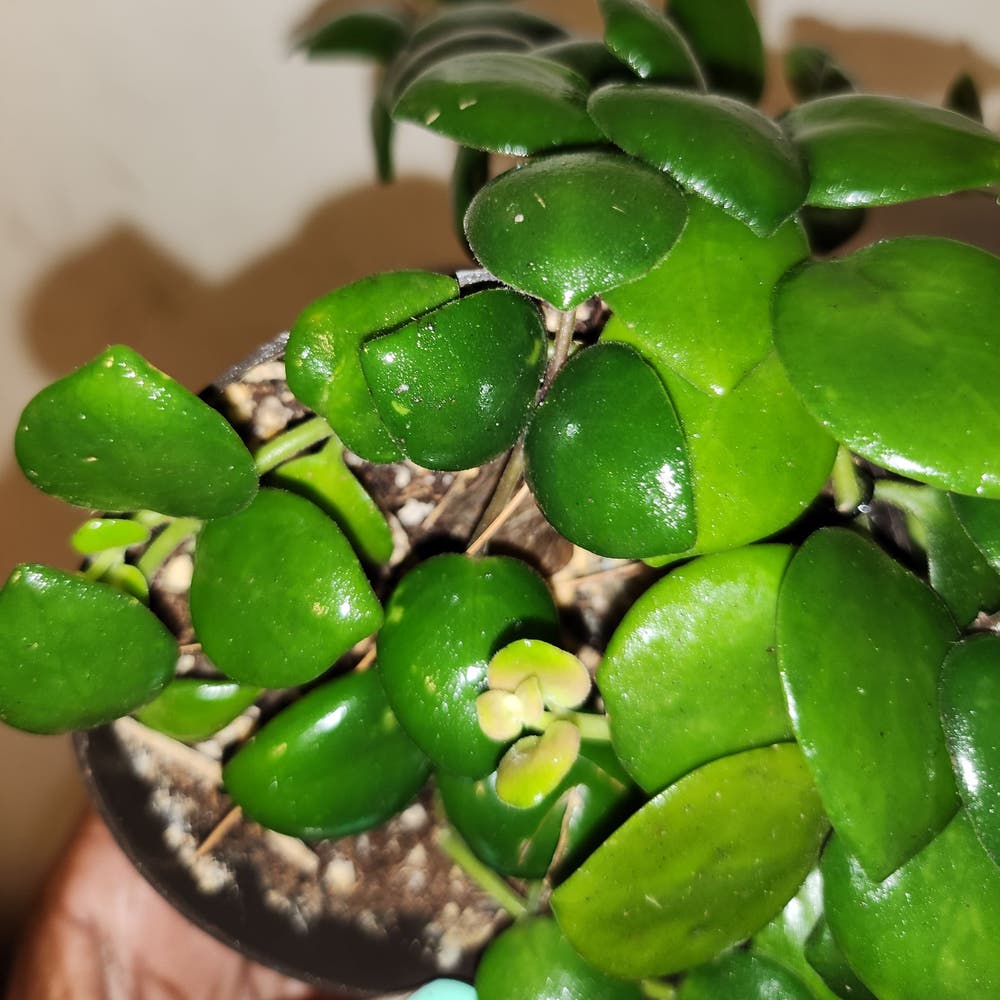
Am I Starving My Thai Pink Lipstick Plant? Fertilizing 101
Aeschynanthus 'Thai Pink'
By the Greg Editorial Team
Apr 14, 2024•4 min read
This article was created with the help of AI so we can cover more plants for you. May contain errors. See one? Report it here.
Nourish your Thai Pink Lipstick Plant to full bloom 🌸 with these essential fertilizing tips!
- 🌱 Yellow leaves and slow growth signal your plant's hunger for nutrients.
- Fertilize in growth spurts, less in fall; use a 2-1-2 NPK ratio for flowers.
- Overfeeding? Flush soil, prune, and possibly repot with fresh soil.
When to Feed Your Thai Pink Lipstick Plant
🌱 Reading the Signs of Hunger
Yellowing leaves or a growth pace that's more snail than racehorse? Your Thai Pink Lipstick Plant is dropping hints it's time to feed. Brown spots and leaf tip burns are the plant's version of an SOS. Slow growth isn't just a minor hiccup; it's a billboard-sized sign that your plant is nutrient-starved.
⏰ Timing is Everything
Sync your fertilizing to the plant's life stages—spring and summer are go-time. During these growth spurts, a bi-weekly phosphorous-rich meal is the ticket to bloom town. As fall rolls in and the growth slows, so should your feeding—once a month is plenty. And always, always dilute your fertilizer to half-strength; it's a feast, not a food fight.
Choosing the Right Fertilizer
💧 The NPK Lowdown
Navigating the NPK ratio is crucial for your Thai Pink Lipstick Plant's diet. Nitrogen (N) is for foliage, Phosphorus (P) for blooms, and Potassium (K) for overall health. Opt for a blend with lower nitrogen and higher phosphorus to encourage those vibrant flowers. A ratio like 2-1-2 strikes a balance, promoting growth without overwhelming your plant.
🥤 Liquid, Granular, or Slow-Release?
Liquid fertilizers are the sprinters of the plant nutrition world, offering a quick nutrient boost. They're ideal when your plant looks like it needs an immediate pick-me-up. Granular fertilizers, on the other hand, are the marathon runners, releasing nutrients slowly for sustained growth. And for those who prefer a hands-off approach, slow-release fertilizers are your set-it-and-forget-it option, gradually nourishing your plant over months. Remember, overdoing it can lead to fertilizer burn, so always follow the package instructions.
Serving Up the Perfect Fertilizer Meal
💊 Portion Control
Getting the dose right is crucial to avoid overindulging your Thai Pink Lipstick Plant.
Method Matters
Applying fertilizer is a delicate art that ensures your plant thrives without the drama of overfeeding.
Portion Control
When it comes to fertilizing your Thai Pink Lipstick Plant, precision is non-negotiable. Overfeeding can be as detrimental as starvation, leading to nutrient burn and other health issues.
Follow the manufacturer's instructions on the fertilizer package to a T. If the instructions suggest a full dose, consider using half to start; you can always add more if needed, but you can't take it back once it's in the soil.
Method Matters
Uniform distribution is key when applying fertilizer. For liquid fertilizers, mix well and water the soil evenly to prevent concentrated spots that could harm the plant.
For granular types, a hand-held spreader can help achieve an even application. If you're using a slow-release formula, ensure it's buried slightly beneath the soil surface near the plant's base for optimal nutrient uptake.
Watering with fertilizer should be consistent. Each session should deliver the same nutrient level, and it's important to water until you see it seep out of the drainage holes. This ensures the roots are fully quenched with your nutrient-rich solution.
Remember, less is often more. It's easier to add nutrients gradually than to try and fix the damage caused by over-fertilization. Keep a close eye on your plant after feeding and adjust your approach based on its response.
Rescuing an Over-Fed Thai Pink Lipstick Plant
🚨 Spotting the Symptoms of Excess
Yellowing leaves and browning tips are red flags that your Thai Pink Lipstick Plant has had a bit too much to eat. A crusty white residue on the soil's surface? That's the leftovers of a nutrient party gone wild. If the roots are looking charred or the plant is shedding leaves like a dog in summer, you've entered the danger zone of over-fertilization.
💊 The Recovery Plan
First, remove any visible fertilizer from the soil to stop the nutrient assault. Then, it's time for a thorough watering to flush out the excess—think of it as a plant spa detox. Repeat this every few days, keeping an eye out for signs of improvement. Prune away the damaged foliage to help your plant focus on the healthy stuff. If your plant is potted, consider repotting with fresh soil to give it a clean slate. And hold off on the fertilizer; your plant needs a break to find its balance again.
⚠️ Safety First
This content is for general information and may contain errors, omissions, or outdated details. It is not medical, veterinary advice, or an endorsement of therapeutic claims.
Always consult a qualified healthcare professional before using any plant as food, medicine, or supplement.
Never eat any plant (or feed one to pets) without confirming its identity with at least two trusted sources.
If you suspect poisoning, call Poison Control (800) 222-1222, the Pet Poison Helpline (800) 213-6680, or your local emergency service immediately.
Spotted an error? Please report it here.
Keep your Thai Pink Lipstick Plant perfectly nourished 🌺 with Greg's custom reminders tailored to its growth stages, ensuring vibrant blooms and healthy growth.