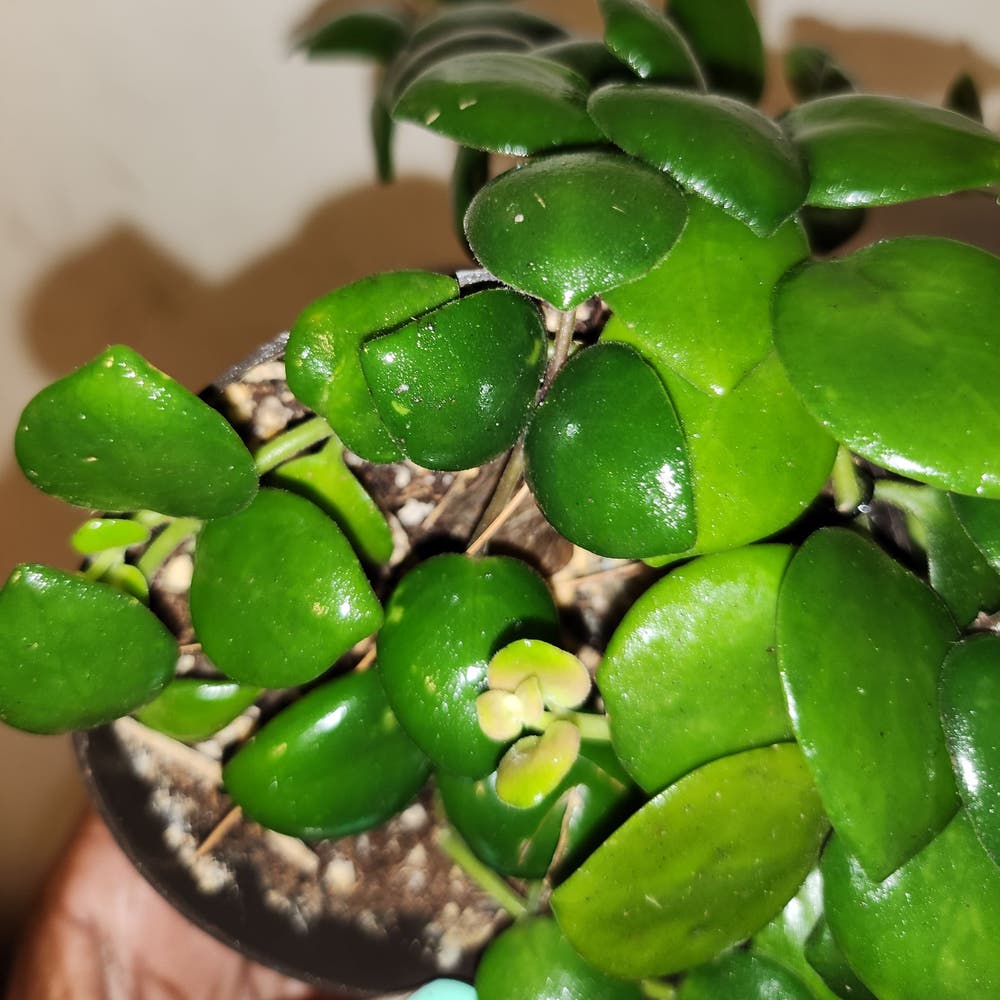
How to Know When to Repot a Thai Pink Lipstick Plant?
Aeschynanthus 'Thai Pink'
By the Greg Editorial Team
Apr 14, 2024•3 min read
This article was created with the help of AI so we can cover more plants for you. May contain errors. See one? Report it here.
Discover the secret to a thriving Thai Pink Lipstick Plant 🌺—knowing when and how to repot is key!
- 🌱 Roots peeking out? Time to repot your Thai Pink Lipstick Plant.
- Spring/summer repotting aligns with the plant's active growth phase.
- Choose the right pot - consider material, size, and drainage.
Spotting the Tell-Tale Signs for Repotting
🌱 Root Revelations
Roots should have room to grow. If they're peeking out of drainage holes or turning the pot into a root-only party, it's time to repot your Thai Pink Lipstick Plant.
💧 Water Woes
When watering feels like pouring water into a sieve, and the soil dries out faster than you can say "thirsty," consider this a red flag. Poor water retention often means the roots have taken over.
📉 Growth Gaps
If your plant's growth has hit a plateau, it's not just being lazy. A slowdown in growth or a decline in health can indicate that your plant is root-bound and in desperate need of a new home.
The Repotting Rundown
🌱 Choosing the Right Time
Timing is everything when it comes to repotting your Thai Pink Lipstick Plant. Aim for the spring or summer months when the plant is in its active growth phase. This is when your plant is most resilient and can recover quickly from the stress of moving to a new pot.
🛠 Step-by-Step Repotting Guide
- Prep your materials: You'll need a new pot, fresh potting mix, and a pair of clean scissors.
- Water the plant: Do this a day before to make the roots more pliable.
- Remove the plant: Tilt and gently pull the plant out of its current pot.
- Inspect the roots: Trim any dead or rotting parts with your scissors.
- Pot selection: Choose a pot that’s one size larger than the current one.
- Add new soil: Partially fill the new pot with potting mix.
- Reposition the plant: Set your plant in the center and add more soil around it.
- Tamp down: Press the soil gently to eliminate air pockets.
- Water wisely: Give it a drink to help it settle, but avoid waterlogging.
🌿 Aftercare Essentials
Post-repotting care is crucial. Monitor your Thai Pink Lipstick Plant for signs of stress, such as drooping or yellowing leaves. If you see these, reassess your care routine. Keep the soil consistently moist but not soggy, and maintain high humidity. Rotate the pot occasionally to ensure even growth. Remember, it's not a set-it-and-forget-it deal; your plant needs your attention to thrive in its new home.
Picking the Perfect Pot
🏺 Material Matters
Terracotta, ceramic, and plastic are the main contenders for housing your Thai Pink Lipstick Plant. Terracotta is the classic, breathable option that's ideal for overwaterers, thanks to its quick-drying properties. But, it's also the gym buff of pots—heavy and prone to cracking in cold temperatures. Ceramic pots add a dash of style and offer a slower drying time, which is perfect if you're the forgetful type. However, they can be as fragile as your grandmother's china. Plastic pots are the lightweight, moisture-retaining champs, but they can turn into a swamp if you're not careful with watering.
📏 Size and Drainage
When choosing a pot size, think 'snug but not squeezed'. Your plant's roots need room to grow but don't give them a mansion. One size up from the current pot is usually a good bet. Drainage is non-negotiable—without holes, you're setting up a bathtub, and root rot loves a good soak. If you're smitten with a pot that lacks drainage, drill some holes or keep looking. Remember, a happy plant is a drained plant.
⚠️ Safety First
This content is for general information and may contain errors, omissions, or outdated details. It is not medical, veterinary advice, or an endorsement of therapeutic claims.
Always consult a qualified healthcare professional before using any plant as food, medicine, or supplement.
Never eat any plant (or feed one to pets) without confirming its identity with at least two trusted sources.
If you suspect poisoning, call Poison Control (800) 222-1222, the Pet Poison Helpline (800) 213-6680, or your local emergency service immediately.
Spotted an error? Please report it here.
Ensure your Thai Pink Lipstick Plant thrives in its perfect pot by using Greg to get tailored repotting reminders 🌿.