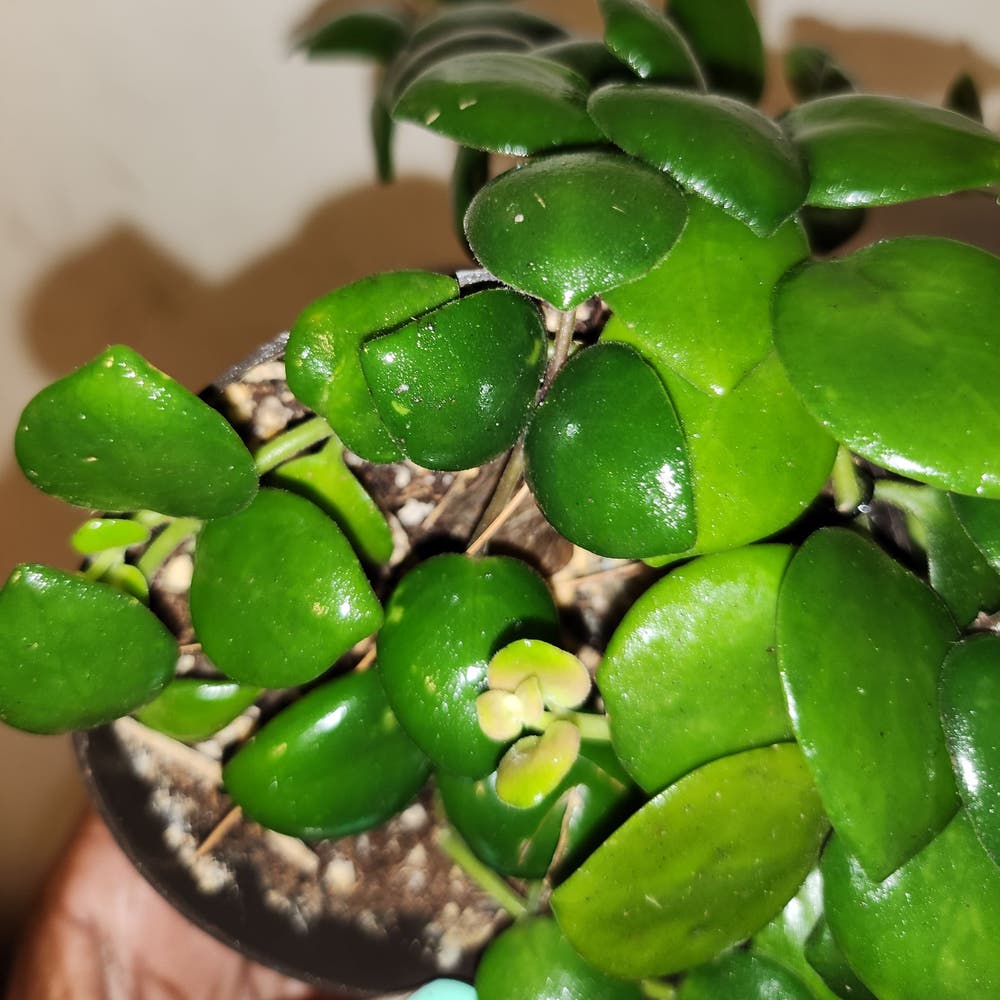
How Can You Tell If A Thai Pink Lipstick Plant Is Dying?
Aeschynanthus 'Thai Pink'
By the Greg Editorial Team
Apr 14, 2024•4 min read
This article was created with the help of AI so we can cover more plants for you. May contain errors. See one? Report it here.
Revive your wilting Thai Pink Lipstick Plant 🌿 with these crucial care and rescue strategies!
- Yellow leaves and mushy stems signal over-watering and potential root rot.
- Crispy or wilted leaves? Adjust watering and protect from extreme temperatures.
- Pests and fungus issues? Use eco-friendly controls and improve air circulation.
When Watering Gets Wonky: Spotting and Fixing Water Issues
💧 Over-Watering Blues
Yellowing leaves and mushy stems are distress flares from your Thai Pink Lipstick Plant. It's drowning in kindness. Over-watering can turn your plant's roots into a soggy mess, a perfect invite for root rot.
Dry out the situation by letting the soil breathe. Check if the pot has proper drainage and hold off on watering until the top inch of soil feels dry. Consider a soil that drains better if you're stuck in the mire.
💦 The Thirsty Plant Dilemma
Crispy leaves are your plant's way of saying it's parched. Under-watering leaves your green buddy as dry as yesterday's toast.
Find the watering sweet spot by sticking a finger into the soil. If it's dry a couple of inches down, it's time to water. Remember, it's not about soaking your plant; it's about quenching its thirst. Keep a consistent schedule, and adjust as needed for the plant's comfort.
Light and Shade: The Balancing Act
🌞 Too Much Sun, Not Enough Fun
Burnt leaves are a distress signal. Your Thai Pink Lipstick Plant is crying out for less light. It's not trying to get a beach tan; it's getting scorched.
Shifting shades is key. Protect your plant from the harsh midday sun. Move it to a spot with bright, indirect light, or use a sheer curtain to diffuse the intensity.
🌑 The Dark Side of Too Little Light
Leggy stems and faded colors are your plant's way of telling you it's starved for sunlight. It's stretching out, reaching for more.
Let there be light, but not too much. Find that sweet spot where your plant can bask in the glow without the risk of overexposure. Rotate the plant to ensure even lighting and prevent it from leaning like a sunflower chasing daylight.
Temperature Tantrums: Keeping Your Plant Comfy
❄️ Leaf Drop and the Chills: When Your Plant's Too Cold
Leaf drop is a distress signal, not a seasonal trend. If your Thai Pink Lipstick Plant starts shedding leaves like a dog in summer, it's probably too cold. Move it away from drafty areas and consider a warmer spot.
🔥 Too Hot to Handle: What Wilting Tells You About Warmth
Wilting leaves aren't just a sign of neglect; they're a cry for cooler conditions. High temperatures can stress your plant, causing it to wilt or even stop flowering. Time to find a shadier spot or dial down the room temperature.
🌡️ Steady as She Grows: Stabilizing Your Plant's Climate
Consistent temperatures are the secret to a happy plant. Keep your Thai Pink Lipstick Plant away from the unpredictable blasts of heaters and the cold shoulder of air conditioning. Think of it as creating a microclimate that says 'just right' all year round.
Uninvited Guests: Dealing with Pests and Diseases
🐜 Pests: The Tiny Terrors
Your Thai Pink Lipstick Plant might be under siege by minuscule marauders. Spider mites weave a fine webbing, while mealybugs leave a cottony residue. Aphids suck the life out of leaves, leaving them yellow and wilted.
Eviction notice: Insecticidal soap and neem oil are your go-to pest control. For an eco-friendly approach, enlist ladybugs to take down the aphid population. Regular plant inspections are crucial—catch these critters early.
🍄 Fungus Among Us: Mold and Its Mischief
Fungus and mold are the stealthy spoilers of your plant's health. Powdery or fuzzy spots on the leaves or soil surface, accompanied by a musty odor, are dead giveaways.
Air it out: Boost air circulation and keep the foliage dry to prevent these fungal party crashers. If they've already settled in, a fungicide might be necessary. Remember, cleanliness is paramount; sterilize your tools to prevent future invasions.
😱 The Dreaded Root Rot
Root rot is like a horror movie for plants, and it starts with overwatering. If your plant looks sad and the soil smells like a swamp, it's time to act.
Plant surgery: Remove the plant from its pot and inspect the roots. Healthy roots are firm and white, while rotten ones are mushy and brown. Trim the bad roots, repot with fresh soil, and adjust your watering habits. Prevention is better than cure, so keep an eye on your watering schedule.
⚠️ Safety First
This content is for general information and may contain errors, omissions, or outdated details. It is not medical, veterinary advice, or an endorsement of therapeutic claims.
Always consult a qualified healthcare professional before using any plant as food, medicine, or supplement.
Never eat any plant (or feed one to pets) without confirming its identity with at least two trusted sources.
If you suspect poisoning, call Poison Control (800) 222-1222, the Pet Poison Helpline (800) 213-6680, or your local emergency service immediately.
Spotted an error? Please report it here.
Nurture your Thai Pink Lipstick Plant back to vibrant health with Greg's personalized care reminders 🌿, making sure you strike the perfect watering balance and stay on top of pest control!