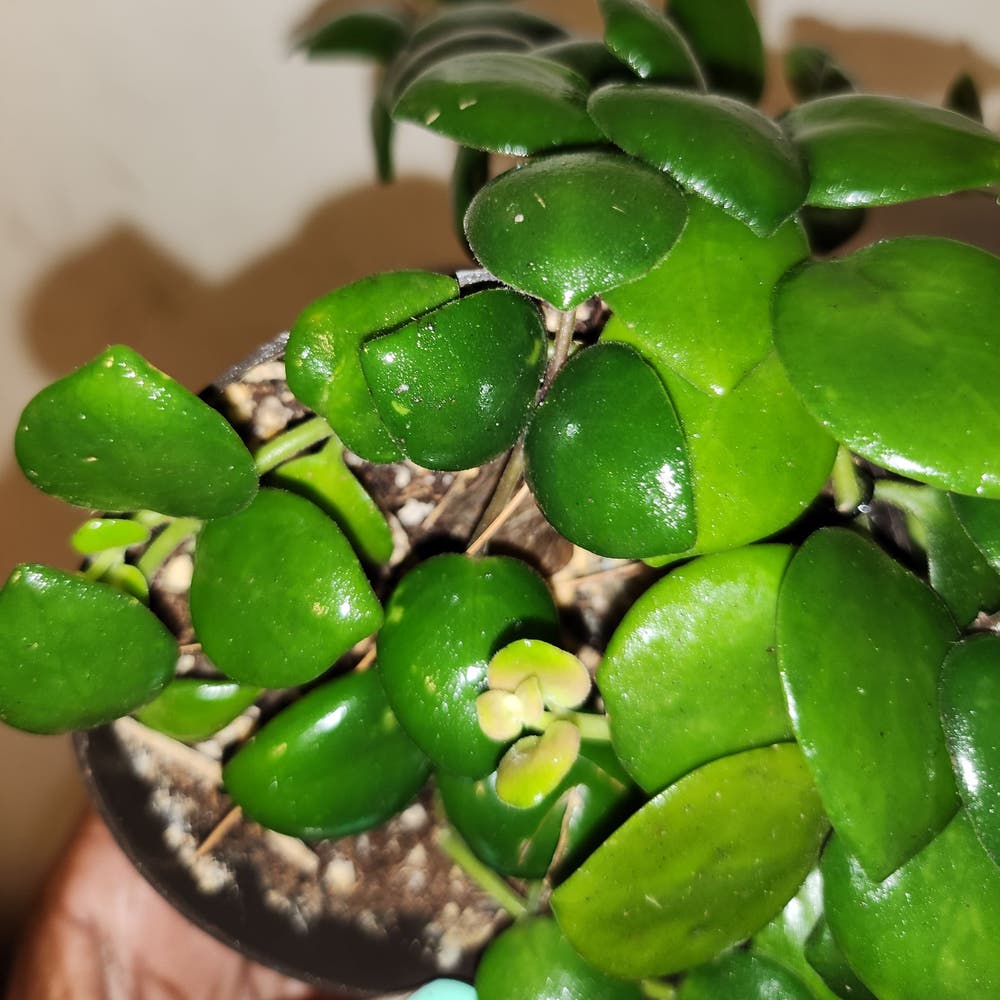
💧 What Is The Best Way To Water a Thai Pink Lipstick Plant?
Aeschynanthus 'Thai Pink'
By the Greg Editorial Team
Apr 14, 2024•4 min read
This article was created with the help of AI so we can cover more plants for you. May contain errors. See one? Report it here.
Nurture your Thai Pink Lipstick Plant to perfection with these tailored watering tips! 🌺💧
- Test soil moisture to determine when to water—use your finger or a meter.
- Bottom watering benefits include deep root growth and preventing disease.
- Adjust watering seasonally and with environmental changes like light and temperature.
When to Water: Reading Your Plant's Thirst
🌱 Checking Soil Moisture
Testing soil moisture is not just a chore; it's the secret handshake between you and your Thai Pink Lipstick Plant. Stick your finger an inch into the soil. If it feels like a dry summer day, it's time to water. If it's damp, hold off—your plant isn't parched yet. For a more high-tech approach, a moisture meter can be your gadget of choice, giving you a digital readout of your soil's thirst level.
🛠 Tools for Moisture Monitoring
Sure, your finger is a fine tool, but sometimes you need to bring in the big guns. Moisture meters and soil probes are like the plant world's weather forecasters, offering a more precise measurement of soil wetness. They're especially handy for those who tend to either neglect their watering can or overdo it.
🌱 Understanding Pot Size and Soil Type
Pot size is like your plant's personal universe; too small and it's a cramped apartment, too big and it's an echo chamber. Smaller pots dry out faster, so they'll need more frequent watering. Larger pots, on the other hand, let the soil hang onto moisture for a lazy Sunday.
Soil type also plays a big role in your watering rhythm. A well-draining mix, with a blend of peat, perlite, and sand, is like a good drainage system in a city—it prevents water from pooling where it shouldn't. Get this mix right, and you're on your way to becoming a Thai Pink Lipstick Plant whisperer.
How to Water: Techniques for Hydration without Harm
💧 The Art of Bottom Watering
- Fill a tray with water and place the pot inside, letting the soil absorb moisture through the drainage holes.
- Benefits: Encourages deep root growth and prevents fungal issues by keeping leaves dry.
💦 Top Watering Tips
- Target the soil directly, circling the plant base and avoiding the foliage to prevent disease.
- Even distribution is key; water until it drains out the bottom, ensuring the roots are thoroughly quenched.
Recognizing Trouble: Signs of Watering Woes
💧 Too Much of a Good Thing: Overwatering
Yellow leaves and mushy stems are your plant's cry for help, signaling it's drowning in excess water. If the soil feels like a wet sponge, it's time for an intervention. Halt watering immediately and let the soil dry out. For severe cases, unpot the plant, trim away any black or mushy roots, and repot in fresh, well-draining soil. Remember, terracotta pots are your ally, wicking away unwanted moisture.
🏜️ The Drought Alert: Underwatering
Wilting leaves and soil drier than a stand-up comedian's humor mean your plant is parched. Start the rehydration process with a thorough soak, ensuring water reaches the roots without turning the pot into a pool. Increase watering gradually to avoid shocking your plant. Consistency is key—think of it as your plant's morning coffee routine, essential and revitalizing.
Keeping It Consistent: Establishing a Watering Routine
💧 Seasonal Adjustments
Summer calls for a more liberal approach to watering your Thai Pink Lipstick Plant. The heat and longer days mean your plant will be thirstier, pushing out new growth and flowers. It's a time for vigilance; increase watering but watch for signs of overindulgence like root rot.
Come winter, it's time to dial it back. The plant's growth slows down, and so should your watering. Let the soil dry out more between waterings, giving your plant a rest. Think of it as a plant hibernation period.
The Role of Environmental Factors
Light, temperature, and humidity are the trifecta of watering cues. A plant basking in a sun-drenched room will guzzle water faster than one chilling in a shady spot. Crank up the heat, and you'll need to water more often; keep it cool, and your plant can go longer between drinks.
Humidity is the sneakiest factor. High humidity can mean less watering; your plant's soil stays moist longer. But in a dry, desert-like room, expect to water more frequently. It's a delicate balance, like keeping a cake moist without it turning into pudding.
Remember, these aren't strict rules but more like guidelines. Keep an eye on your plant and its environment, and adjust your watering routine as needed. It's about syncing with your plant's rhythm, not forcing it to march to your beat.
⚠️ Safety First
This content is for general information and may contain errors, omissions, or outdated details. It is not medical, veterinary advice, or an endorsement of therapeutic claims.
Always consult a qualified healthcare professional before using any plant as food, medicine, or supplement.
Never eat any plant (or feed one to pets) without confirming its identity with at least two trusted sources.
If you suspect poisoning, call Poison Control (800) 222-1222, the Pet Poison Helpline (800) 213-6680, or your local emergency service immediately.
Spotted an error? Please report it here.
Ensure your Thai Pink Lipstick Plant thrives by mastering its watering schedule 💧 with Greg's custom reminders and precision moisture metering.