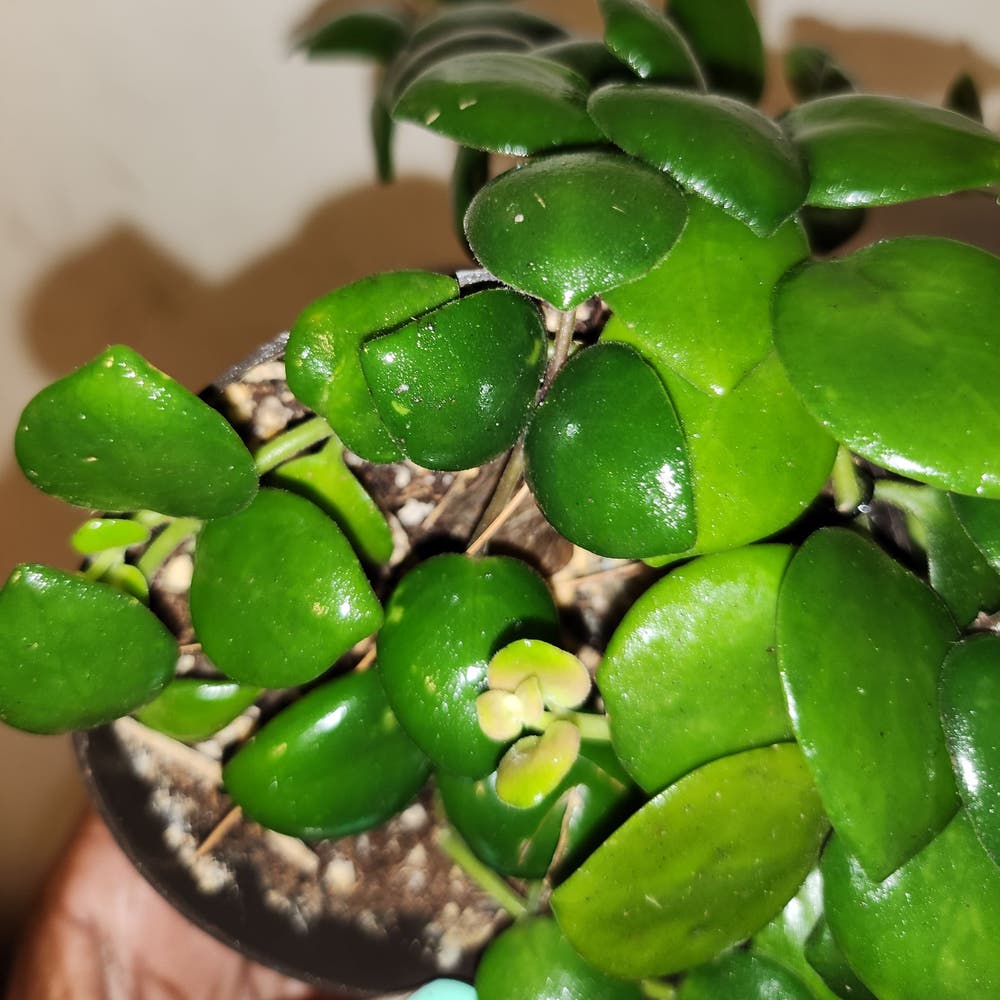
How Do I Cure Thai Pink Lipstick Plant Root Rot?
Aeschynanthus 'Thai Pink'
By the Greg Editorial Team
Apr 14, 2024•5 min read
This article was created with the help of AI so we can cover more plants for you. May contain errors. See one? Report it here.
Rescue your Thai Pink Lipstick Plant 🌺 from root rot's grip with this life-saving care guide.
- Yellow leaves and foul odor signal root rot; prune damaged roots immediately.
- Repot with well-draining soil and pots; use moisture meters for precise watering.
- Stable environment prevents rot: monitor temperature, humidity, and adjust care routinely.
Spotting the Red Flags: Identifying Root Rot
🚩 Visual Symptoms
Yellowing leaves and wilting are like silent screams for help from your Thai Pink Lipstick Plant. These symptoms are the plant's version of a distress signal, indicating that all is not well beneath the soil.
Smell and Texture
The sniff test is critical; a foul odor emanating from the soil is a dead giveaway of root rot. As for texture, healthy roots are firm and white, but if they feel mushy or look discolored, it's time to don your superhero cape and save your plant.
First Aid for Your Plant: Immediate Actions
🌱 Pruning the Damage
When root rot strikes your Thai Pink Lipstick Plant, it's surgery time. Gently coax the plant out of its pot and shake off the excess soil. Healthy roots are the color of fresh cream, firm to the touch, while rotten ones are a mushy, brown mess. Sterilize your pruning shears with alcohol—think of it as prepping for an operation. Snip away the bad roots, but don't get scissor-happy; leave the good stuff. It's a delicate balance between amputation and conservation.
💨 Drying Out
After the chop, let's not leave your plant's roots in a wet blanket. Air them out like they're on a beach vacation. If the soil feels like a swamp, it's time for a complete overhaul. Mix in some perlite or sand to get that drainage on point. And remember, patience is key; let the soil and roots dry before you even think about repotting. It's not just about drying; it's about giving your plant a fighting chance to breathe again.
Repotting: A Fresh Start
🌱 Choosing the Right Soil and Pot
Well-draining soil is non-negotiable. Your Thai Pink Lipstick Plant's roots despise being waterlogged. Opt for a mix that's airy, perhaps with perlite or sand to ensure breathability.
When picking a new pot, size matters. Go for one that's just a size up—too large and you're inviting moisture to overstay its welcome. Ensure it has drainage holes; this isn't just a suggestion, it's a lifeline for your plant.
The Repotting Process
Gather your tools: a new pot, the right soil mix, a trowel, gloves, and scissors. Oh, and don't forget a watering can for later.
Unpot with care. Think of it as a delicate dance with the roots. Inspect and trim the damage away—no mercy for the mushy bits.
Layer the bottom of the new pot with fresh soil. This isn't just for fun; it's a cushion for the roots.
Position your plant in the center, then backfill with more soil. Don't pack it down like you're stuffing a suitcase; keep it loose and airy.
Stake if needed. It's like giving your plant a crutch while it gets used to its new digs.
Water sparingly at first. It's tempting to give it a good soak, but resist—let the roots seek out moisture and recover on their terms.
Remember, repotting is like rehab for your plant's roots. Do it right, and you'll see the difference.
Watering Wisely: Preventing Future Root Rot
💧 Perfecting Your Watering Technique
Watering isn't a guessing game. Tailor the frequency and volume to your Thai Pink Lipstick Plant's needs. The top inch of soil should feel dry before you water again—think of it as the plant's 'thirsty' signal. Overwatering is a no-go; it's the express lane to root rot city.
🛠 Tools of the Trade
Get yourself a moisture meter; it's the secret weapon in your plant care arsenal. This gadget tells you when the soil is just moist enough, preventing the dreaded swampy conditions. And remember, a pot with drainage holes isn't just nice to have—it's essential. It's like a safety net for your plant's roots, keeping excess water at bay.
Remember, your plant's water needs shift with the seasons. When growth slows in winter, dial back on the H2O. Your watering can isn't on a fixed schedule; it's on plant time. Stay vigilant, and adjust as needed. Your plant will thank you with luscious growth, free from the clutches of root rot.
Keeping the Environment in Check
🌡️ Temperature and Humidity
Temperature and humidity are the unsung heroes in the fight against root rot. Your Thai Pink Lipstick Plant craves stability, much like a teenager needs a predictable routine. Keep the temperature consistent, ideally mimicking the plant's tropical origins. Avoid temperature shock; it's the botanical equivalent of jumping into a cold pool on a hot day. Not fun.
Invest in a hygrometer to monitor humidity levels. Aim for that sweet spot of 40-60% humidity. Too dry? Your plant's leaves will throw a tantrum, curling up in protest. Too moist? You're inviting a fungal rave. Use a humidifier or a pebble tray to keep things balanced. Remember, your plant's comfort zone is a stable, tropical-like climate.
🕵️ Monitoring and Maintenance
Regular check-ups are non-negotiable. Think of it as a monthly dental cleaning, but for your plant. Adjust your care routine as needed, responding to your plant's feedback like you would to a text message: promptly and appropriately.
Seasonal changes demand your attention. Dial down the humidity when winter hits, and keep an eye out for overheating during summer. Use a thermometer to keep track of the temperature, ensuring it doesn't swing like a pendulum.
Keep the environment around your plant as predictable as a morning coffee routine. Sudden changes are a no-go. Use your tools – thermometer and hygrometer – to avoid turning your plant's home into a weather rollercoaster. Remember, a happy plant is one that knows what to expect.
⚠️ Safety First
This content is for general information and may contain errors, omissions, or outdated details. It is not medical, veterinary advice, or an endorsement of therapeutic claims.
Always consult a qualified healthcare professional before using any plant as food, medicine, or supplement.
Never eat any plant (or feed one to pets) without confirming its identity with at least two trusted sources.
If you suspect poisoning, call Poison Control (800) 222-1222, the Pet Poison Helpline (800) 213-6680, or your local emergency service immediately.
Spotted an error? Please report it here.
Revive your Thai Pink Lipstick Plant from root rot and keep it thriving 🩹 with Greg's tailored watering reminders and environment monitoring for optimal plant health.