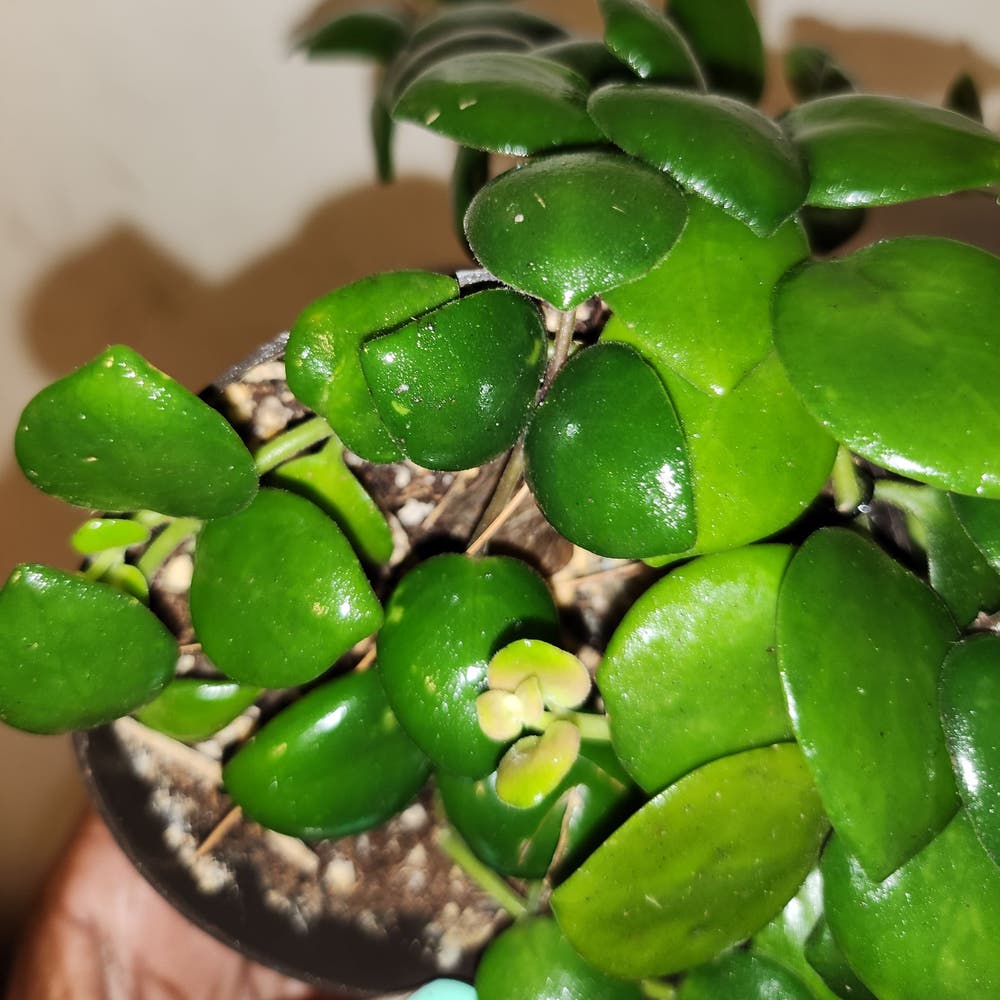
Why Are There Brown Spots on My Thai Pink Lipstick Plant?
Aeschynanthus 'Thai Pink'
By the Greg Editorial Team
Apr 14, 2024•4 min read
This article was created with the help of AI so we can cover more plants for you. May contain errors. See one? Report it here.
Rescue your Thai Pink Lipstick Plant 🌿 from brown spot despair with our lifesaving care tips!
- Brown spots indicate distress, from water issues to pests and fungi.
- Adjust care routines to prevent and treat brown spots effectively.
- Consistent monitoring is key to maintaining a healthy Thai Pink Lipstick Plant.
Spotting the Trouble: Recognizing Brown Spots
💡 Visual Clues
In the realm of Thai Pink Lipstick Plants, brown spots are not a part of the aesthetic. These blemishes can vary in appearance, from small, pinpoint dots to larger patches that mar the leaf's surface. They may present as dry and crispy or as soggy, water-soaked splotches. The spots could be uniform in shape, suggesting a systemic issue, or random, indicating a localized problem. Texture is also a tell; raised, sunken, or flat spots each whisper different tales of plant distress.
💭 Spot Patterns and What They Indicate
Patterns in brown spots are like Morse code in the plant world—decoding them is crucial. Concentric rings or spots with irregular edges often scream fungal or bacterial issues. If you notice spots with a yellowish halo, that's your plant waving a flag for bacterial problems. Uniform discoloration might hint at environmental stress, like a sunburn or nutrient deficiency. When spots take center stage on the leaf or prefer the edges, it's a clue about whether the cause is environmental or something more sinister. Keep an eye out for progression—spots that are spreading or increasing in number are a sign that whatever is ailing your plant is on the move.
Rooting Out the Causes
💧 Water Woes
Overzealous watering can drown your Thai Pink Lipstick Plant's roots, leading to the dreaded brown spots. It's a classic case of too much love. Underwatering isn't off the hook either; it leaves the plant parched, with the leaf tips sporting those unsightly blemishes.
🌡️ Environmental Stress Signals
Temperature tantrums and humidity hiccups can turn your plant's leaves into a brown spot gallery. Too much direct sunlight? Think of it as a leafy sunburn. Get these conditions right, or your plant will keep waving those brown flags of distress.
🐜 Unwanted Guests: Pests
Pests are the uninvited guests at the plant party, and they're not leaving without a souvenir. Spider mites, thrips, and their gang of leaf-munchers can leave behind a constellation of brown spots. Spot any sticky residue? That's their calling card.
🍄 Fungal Foes
Fungal infections are the gossipers of the plant world, spreading their spores across leaves, leaving ringed brown spots in their wake. These spots are like unwanted autographs on your plant's once-flawless foliage. Keep an eye out for circular lesions; they're the tell-tale sign of a fungal fiesta.
Healing and Shielding Your Plant
🌱 Adjusting Care Routines
Watering is often the culprit behind brown spots. If your Thai Pink Lipstick Plant's leaves are soft and brown, you're likely overdoing the hydration. Cut back on water, allowing the soil to dry between waterings. Ensure your pot has adequate drainage to prevent soggy conditions that can lead to root rot and leaf spots.
🐛 Pest Control Tactics
Pests like aphids, thrips, and spider mites are infamous for causing brown spots. These tiny invaders suck the life out of leaves, leaving behind brown, damaged tissue. Regularly inspect your plant for these pests and wipe down leaves with a mild soap solution to keep them at bay. In severe cases, an appropriate insecticide may be necessary, but always follow the product's instructions.
🍄 Battling the Fungi
Fungal infections often start as dark spots with a yellow halo and can quickly escalate. Prune affected areas with sterilized scissors to prevent spread. For organic treatment, consider sulfur or copper octanate. A homemade mix of baking soda and liquid soap can also be a gentle remedy. In more severe cases, an all-purpose fungicide might be your best bet, but remember to apply it as directed and with the necessary protective gear.
Prevention: The Best Cure
🕵️ Consistent Monitoring
Regular checks are your plant's lifeline, like a pulse check for greenery. Scan for early brown spot symptoms to act swiftly and prevent escalation.
🌿 Creating a Healthy Habitat
Stable conditions are your plant's zen. Maintain consistent humidity with tools like a pebble tray. Ensure lighting is bright but indirect, like a cloud-filtered sunbeam. Airflow is key; space plants to avoid a muggy jungle. Keep soil pH neutral, it's the sweet spot for plant health. Remember, a happy plant is less likely to cry out with brown spots.
⚠️ Safety First
This content is for general information and may contain errors, omissions, or outdated details. It is not medical, veterinary advice, or an endorsement of therapeutic claims.
Always consult a qualified healthcare professional before using any plant as food, medicine, or supplement.
Never eat any plant (or feed one to pets) without confirming its identity with at least two trusted sources.
If you suspect poisoning, call Poison Control (800) 222-1222, the Pet Poison Helpline (800) 213-6680, or your local emergency service immediately.
Spotted an error? Please report it here.
Banish those pesky brown spots 🕵️♂️ on your Thai Pink Lipstick Plant with Greg's tailored care plans and proactive health checks.