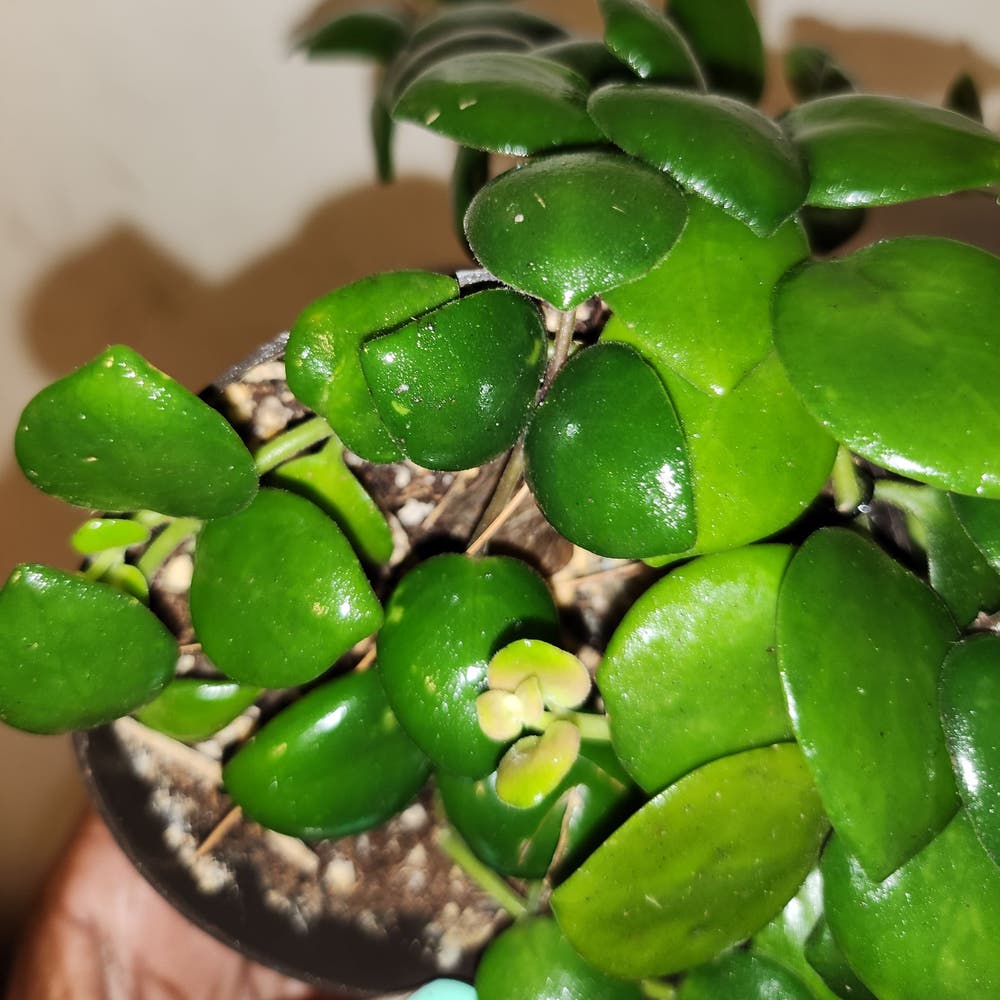
Why Are My Thai Pink Lipstick Plant Leaves Curling?
Aeschynanthus 'Thai Pink'
By the Greg Editorial Team
Apr 14, 2024•4 min read
This article was created with the help of AI so we can cover more plants for you. May contain errors. See one? Report it here.
Unravel the mystery of curling leaves 🍃 and revive the vibrant charm of your Thai Pink Lipstick Plant!
- 🌡️ Keep it warm and draft-free to prevent leaf curling.
- 🌞 Filtered sunlight is key; too much direct light can curl leaves.
- 🐛 Watch for pests and diseases, treat with neem oil or fungicide.
Spotting the Signs: When Leaves Curl Inward
🍃 Visual Symptoms
Curling leaves on your Thai Pink Lipstick Plant can look like a botanical SOS. Healthy leaves are flat and vibrant; when they start to curl, it's time to listen. Look for leaves curling inward or downward, a sign that your plant is not in its happy place.
🕵️♂️ Immediate Checks
First, check the thermostat. If it's below 60°F, your plant's leaves might curl up tighter than a rolled yoga mat. Next, ensure there's no draft playing havoc with your plant's sense of comfort. Then, peek at the light situation. Too much direct sunlight? Your plant's leaves might be curling up to avoid a sunburn. Lastly, give the soil a touch test. If it's drier than a stand-up comedian's wit, it's time to water. If it's soggy, well, you might have overdone it.
The Usual Suspects: Common Culprits of Curling
💧 Thirsty Roots or Drowning?
Watering habits can make or break your Thai Pink Lipstick Plant's health. Overwatering leads to soggy soil, causing leaves to curl down as if trying to escape a swamp. Conversely, underwatering results in leaves curling upward, silently begging for moisture.
- Check the soil before watering; it should be moist, not drenched. Use room temperature water to avoid shocking the plant's roots.
🌡 Too Hot, Too Cold, Just Right
Temperature control is crucial. Your plant is not a fan of dramatic climate swings. Leaves curling can be a sign of your plant protesting against temperature extremes or improper humidity levels.
- Aim for a consistent temperature, creating a comfortable microclimate. If the air is too dry, consider using a humidifier.
🌞 Light: Finding the Balance
Your plant requires the right amount of light, but too much can cause leaf burn, while too little can lead to etiolation. Both scenarios can result in leaf curling.
- Ensure your plant receives filtered sunlight; direct exposure can be too harsh. Adjust the plant's position to avoid light stress.
Uninvited Guests: Pests That Love Your Plant
🐛 Identifying Pests
Aphids, spider mites, and mealybugs are the pests most likely to turn your Thai Pink Lipstick Plant into their new home. Aphids are tiny green or black insects that can be spotted in groups, feasting on plant sap and causing leaves to curl and stunt. Spider mites are even smaller, almost microscopic, but they leave a telltale sign: fine webbing on the plant, especially beneath the leaves. Mealybugs look like tiny cottony tufts hiding in leaf axils and stem joints.
🚪 Eviction Notice
Once you've caught these freeloaders, it's time to show them the door. A strong blast of water can dislodge many of them, acting as an immediate but temporary fix. For a more thorough eviction, insecticidal soap or neem oil are your go-to weapons. Apply diligently, focusing on the undersides of leaves where pests love to hide. If the infestation is severe, you might need to bring in the big guns: miticides or systemic insecticides. Remember, the best defense is a good offense – regular plant check-ups can prevent these pests from settling in the first place.
When the Plant Feels Under the Weather: Diseases and Nutrient Issues
🍄 Fungal Foes and How to Fight Them
Fungal infections are the equivalent of a plant catching a cold. They can leave your Thai Pink Lipstick Plant's leaves curled up tighter than a roll of quarters. Powdery mildew is a common culprit, leaving a telltale white residue, while other fungi might cause spots or blights. To tackle these, ensure your plant's environment isn't a petri dish for spores. That means good air circulation and keeping those leaves as dry as a stand-up comedian's wit.
If you're staring down a fungal invasion, reach for a fungicide like it's your plant's personal superhero. But remember, the label is your bible here—read it more carefully than a detective poring over case notes. Prevention is your best friend, so make it a habit to check for early signs of trouble, like you're looking for Easter eggs in a movie.
Feeding Your Plant Right
Nutrient deficiencies can turn your plant's leaves into a sad display of curls and discoloration. It's like your plant is on a diet that's missing key food groups. Yellowing leaves might be crying out for nitrogen, while a lack of flowering could signal a deficit in phosphorus or potassium.
Get your hands on a balanced fertilizer and follow the instructions like you're assembling a piece of furniture—precision is key. Over-fertilizing is as harmful as under-fertilizing; it's about finding that sweet spot. Observe your plant's reaction after feeding as if you're waiting for applause after a performance. Adjust as necessary, and remember, moderation is the secret sauce to a healthy plant diet.
⚠️ Safety First
This content is for general information and may contain errors, omissions, or outdated details. It is not medical, veterinary advice, or an endorsement of therapeutic claims.
Always consult a qualified healthcare professional before using any plant as food, medicine, or supplement.
Never eat any plant (or feed one to pets) without confirming its identity with at least two trusted sources.
If you suspect poisoning, call Poison Control (800) 222-1222, the Pet Poison Helpline (800) 213-6680, or your local emergency service immediately.
Spotted an error? Please report it here.
Keep your Thai Pink Lipstick Plant's leaves flawlessly flat 🌿 by letting Greg track environmental changes and alert you to potential pest problems, ensuring your plant thrives.