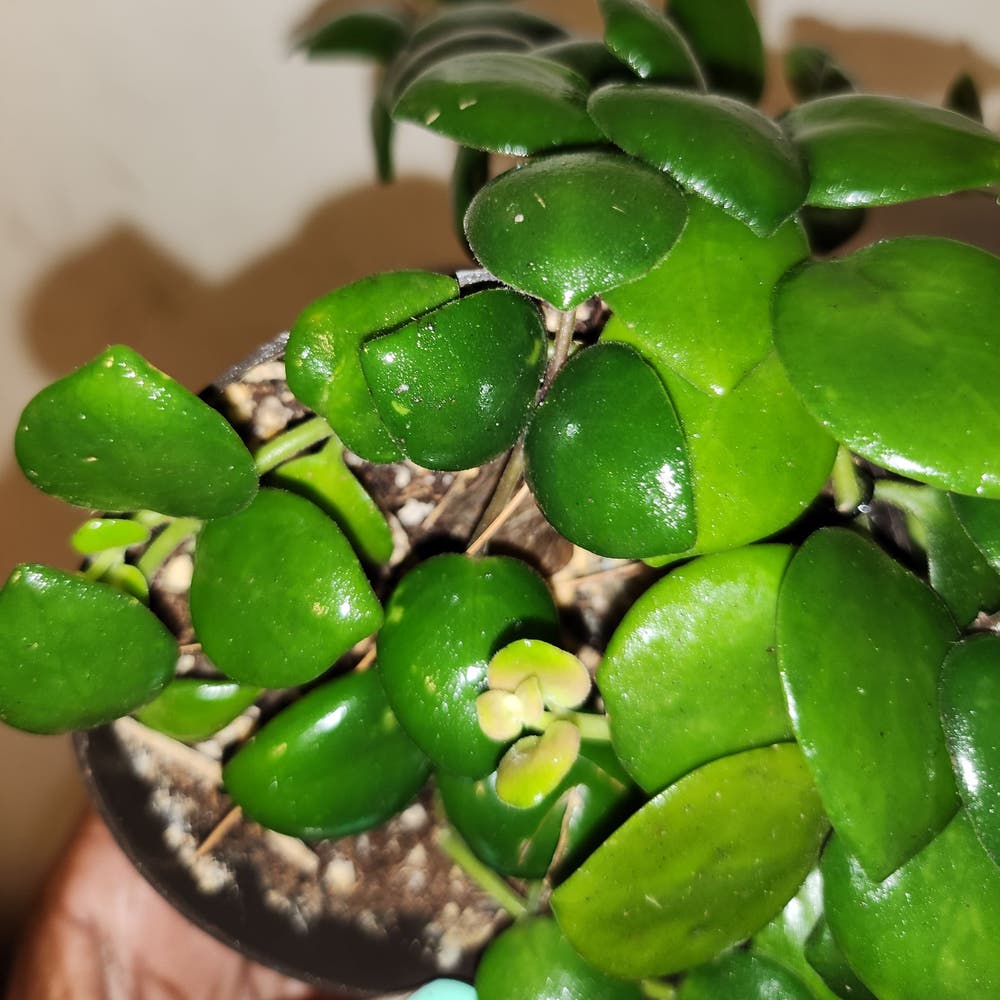
How to Propagate Your Thai Pink Lipstick Plant
Aeschynanthus 'Thai Pink'
By the Greg Editorial Team
Apr 14, 2024•5 min read
This article was created with the help of AI so we can cover more plants for you. May contain errors. See one? Report it here.
Multiply your Thai Pink Lipstick Plant's beauty with top propagation methods for a thriving indoor oasis. 🌸🌱
- Spring/summer best for cuttings, ensuring healthy stem selection and ideal propagation timing.
- 🌱 Soil vs. water rooting: soil offers stability, water allows root monitoring.
- Aftercare is crucial: provide bright, indirect light and consistent moisture for new plants.
Snip & Root: Stem Cutting Propagation
🌱 Choosing Your Champion Stem
In the propagation arena, selection is half the battle. Target stems that are the epitome of plant health: vibrant, sturdy, and blemish-free. The prime time for cuttings is when your plant is in its growth prime—spring or early summer.
✂️ Prepping Your Cuttings
Once you've eyed your champion stem, it's time to snip. A clean, angled cut just below a node sets the stage for root emergence. Sterilize those shears—your plant deserves a germ-free incision. Rooting hormone? It's not a must, but it's like a backstage pass for quicker root access.
🌱 Rooting Your Cuttings
The soil versus water debate is a tale as old as time. Soil is your steady friend, offering a stable rooting medium. Water, on the other hand, provides a clear view of root progress but can be less forgiving. Humidity is your cutting's best friend; a plastic bag tent can be a makeshift greenhouse. Keep the soil moist, not drenched, and wait for nature to do its thing.
Splitting Up: Division Propagation
🌱 When to Divide Your Plant
Your Thai Pink Lipstick Plant is ready for division when it looks like it's outgrowing its pot, with roots making a break for it through the drainage holes. Overcrowding is another telltale sign; it's like the plant's throwing an underground rave and the roots are the partygoers squishing together.
🕺 The Division Dance
💧 Step 1: Prep Work
Water your plant a couple of days before the division. This makes the roots more flexible and easier to work with.
🌿 Step 2: Uproot
Gently coax the plant out of its pot. Think of it as inviting it to a new adventure, not giving it the boot.
🔍 Step 3: Inspect
Examine the root ball for natural divisions. You're looking for obvious sections that can stand on their own, like mini-me's of the mother plant.
✂️ Step 4: Separate
With clean hands or a sterilized knife, separate the sections. Each new plant should have a good amount of roots and shoots. It's like performing surgery, but you're making more life, not less.
🌱 Step 5: Plant
Pot up the new sections in fresh soil, giving them the space they deserve. They've been cramped for too long, and they're ready to stretch their leaves.
Remember, don't let the roots dry out during this process. If you can't plant them straight away, wrap the roots up like a burrito or pot them temporarily. Keep the roots cozy until they can settle into their new homes.
High Hopes with Air Layering
🌱 What Makes Air Layering Different
Air layering is a propagation superhero for those seeking instant gratification. Unlike stem cuttings, which start small, air layering gives you a head start with a larger plant. It's a unique method where roots develop right on the branch, still attached to the mother plant. Patience is the name of the game here, but the payoff is a robust, ready-to-thrive specimen.
🛠️ The Air Layering Process
Materials Needed
To begin air layering, you'll need a sharp knife or secateurs, sphagnum moss, rooting hormone, clear plastic wrap, and ties (wire or twist ties work well). Ensure the sphagnum moss is soaked and excess water squeezed out.
Step-by-Step Guide
- Choose the Right Branch: Look for a healthy section of your Thai Pink Lipstick Plant. A good candidate is a branch with mature leaves but not too woody.
- Make the Cut: With your sharp instrument, make an upward slanting cut about one-third into the stem. Precision is crucial—avoid a messy cut.
- Apply Rooting Hormone: This isn't just for show; it's a rooting booster. Apply it to the cut to encourage root growth.
- Moss Pad Creation: Wrap a moist pad of sphagnum moss around the cut, ensuring it's snug against the exposed inner stem.
- Wrap It Up: Secure the moss with plastic wrap, creating a mini greenhouse. Tie it with your chosen ties to keep moisture in.
- Wait for Roots: Now, you watch and wait. Once you see a healthy root system, it's time to sever the umbilical cord and pot your new plant.
Remember, air layering is not a sprint; it's a marathon with a leafy finish line.
Aftercare for Newly Propagated Plants
🌱 The First Few Weeks
In the initial weeks, your Thai Pink Lipstick Plant cuttings are like interns at a new job—eager but needing guidance. Bright, indirect light is their best ally, fostering growth without the scorching intensity of direct rays. Water just enough to keep the soil consistently moist; think of it as making a cup of tea that's just right—not too hot, not too cold. And location? A stable spot without drafts or temperature swings is like a cozy cubicle for your plant—safe and snug.
Transitioning to Normal Care
When it's time to graduate your plants to regular care, do it with the finesse of a barista crafting the perfect latte. Begin treating them like their mature counterparts when they've established a robust root system and show new growth—this is your green light. Ease up on the watering, letting the top inch of soil dry out between drinks. And just like a good boss, keep an eye out for signs of distress. If leaves start to droop or yellow, it's time for a quick one-on-one to adjust their care plan.
⚠️ Safety First
This content is for general information and may contain errors, omissions, or outdated details. It is not medical, veterinary advice, or an endorsement of therapeutic claims.
Always consult a qualified healthcare professional before using any plant as food, medicine, or supplement.
Never eat any plant (or feed one to pets) without confirming its identity with at least two trusted sources.
If you suspect poisoning, call Poison Control (800) 222-1222, the Pet Poison Helpline (800) 213-6680, or your local emergency service immediately.
Spotted an error? Please report it here.
Propagate your Thai Pink Lipstick Plant 🌱 with confidence by using Greg's tailored reminders for watering and perfecting the humidity for your new cuttings, ensuring they thrive from the get-go!