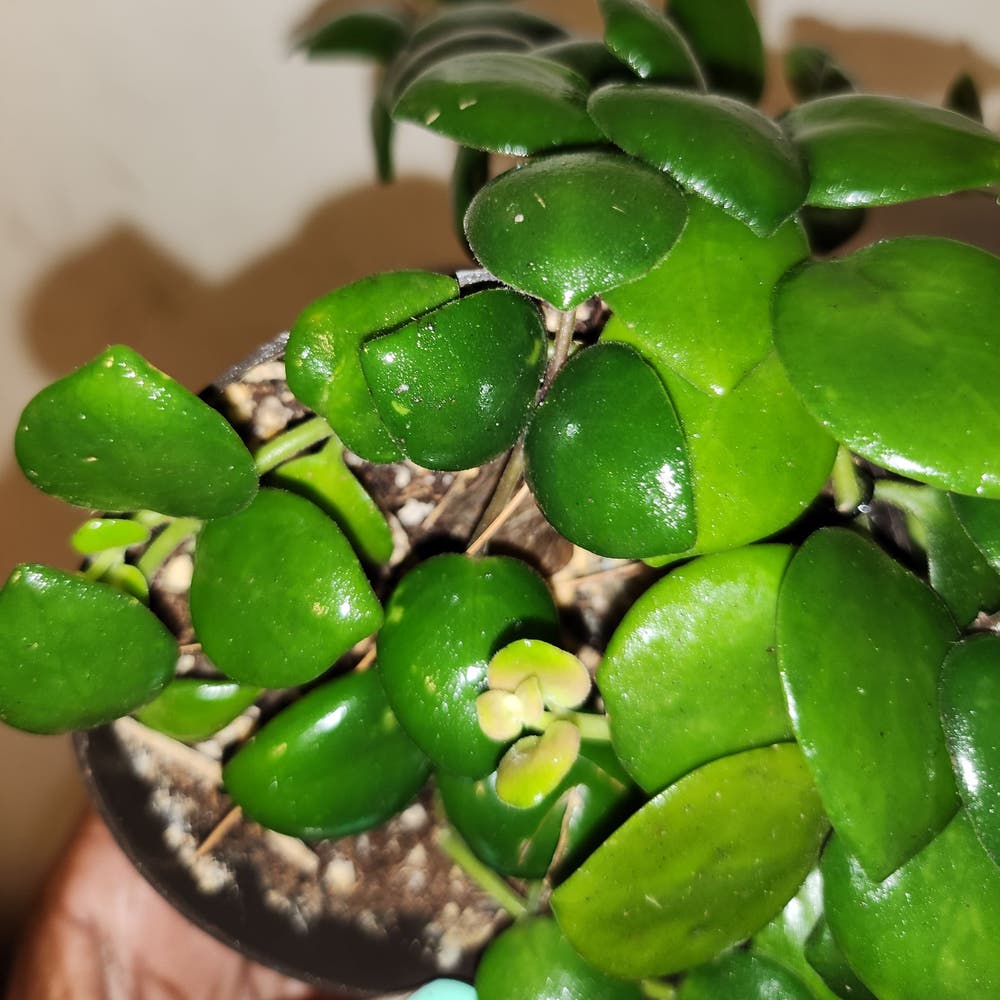
Why Are My Thai Pink Lipstick Plant Leaves Droopy?
Aeschynanthus 'Thai Pink'
By the Greg Editorial Team
Apr 14, 2024•4 min read
This article was created with the help of AI so we can cover more plants for you. May contain errors. See one? Report it here.
Perk up your Thai Pink Lipstick Plant 🌿 and banish droopiness with proven care solutions!
- Droopy leaves signal distress; sudden changes mean trouble.
- Balance water and light to prevent and fix droopiness.
- Stable climate and proper soil keep your plant perky.
Spotting the Signs of Distress
🌿 Recognizing Droopy Leaves
Thai Pink Lipstick Plants broadcast their discomfort through their leaves. Droopiness is the plant's non-verbal way of saying, "Hey, I'm not okay!" To spot this, look for leaves that sag or bend more than usual, appearing lifeless. Consistency in leaf posture is key; a sudden change is your cue to pay attention.
🚨 When Droopiness Becomes a Concern
Not all droop should set off your plant-parent alarm bells. It's normal for leaves to display a gentle lean as they grow. But when mature leaves start to look like they're in a perpetual state of slumber, it's time to act. Persistent droopiness across the plant, especially in combination with other symptoms like yellowing or falling leaves, is a red flag that warrants immediate attention.
The Usual Suspects: Common Causes of Droopiness
💧 Too Much Love: Overwatering Woes
Overwatering is the silent killer of the Thai Pink Lipstick Plant's vivacity. Signs of overindulgence include leaves that feel like a wet blanket and stems with the structural integrity of overcooked noodles. The soil should never evoke memories of a marshland; it's a surefire ticket to droopy town.
🏜️ Thirsty Roots: The Underwatering Problem
Conversely, underwatering turns your plant into a parched shadow of its former self. Leaves hang limp, embodying the very essence of neglect. Moisture is the lifeblood of the Thai Pink Lipstick Plant, and without it, you're essentially running a plant hospice.
🌞 Light Struggles: Finding the Sweet Spot
Lighting is a high-stakes balancing act for your plant's well-being. Too much light, and the leaves might as well be in a tanning booth, too little, and they're as energized as a sloth on a lazy Sunday. Aim for that bright, indirect light sweet spot to keep your plant's spirits and leaves lifted.
🌡️ Climate Control: Temperature and Humidity Effects
Temperature and humidity swings are like throwing your plant into a climate rollercoaster. Too hot, and the leaves droop in a heat-induced stupor; too cold, and they're as perky as a snowman in a sauna. Strive for a stable, comfortable environment to maintain your plant's cheerful demeanor.
Reviving Your Plant: Practical Solutions
💧 Fine-Tuning Watering Practices
Adjusting watering frequency is essential. Check the soil before watering; it should be dry an inch down. Use room-temperature water to avoid shocking the roots. In winter, water less—your plant isn't trying to grow a winter coat. In summer, keep the soil moist but not a swamp.
🌟 Lighting the Way to Recovery
Balance is key for light exposure. Your plant craves bright, indirect light, not a sunbathing session. Too much direct sunlight can lead to a leafy sunburn. Ensure your plant is positioned to receive the right amount of light without the risk of overexposure.
🌡️ Creating a Comfort Zone
Temperature and humidity should be as stable as your favorite pub's house ale. Avoid drafts and sudden changes that can make your plant's leaves droop like a disappointed fan at a rained-out game. Use a pebble tray or misting to maintain humidity levels that remind your plant of its tropical ancestry.
Keeping Droopiness at Bay: Prevention Tips
💧 The Right Pot and Soil Mix
Drainage is your plant's lifeline. It's simple: choose a pot with holes that could rival a colander. Terra cotta is the MVP here, letting soil breathe and preventing your plant's roots from taking an unwanted swim. Mix in some perlite or sand to keep the soil mix as airy as a cloud—this isn't just good advice, it's a non-negotiable for healthy roots.
👩⚕️ Regular Check-Ups
Think of yourself as a plant detective. Regular monitoring is your best tool to catch the sneaky culprits of droopiness before they wreak havoc. Watering should be as predictable as your morning coffee ritual—adapt it to your plant's needs and the whims of the seasons. Light exposure? Keep it as consistent as the quality of your favorite TV show. And always, always keep an eye out for uninvited guests like pests or diseases—treat them like gatecrashers at your exclusive plant party.
⚠️ Safety First
This content is for general information and may contain errors, omissions, or outdated details. It is not medical, veterinary advice, or an endorsement of therapeutic claims.
Always consult a qualified healthcare professional before using any plant as food, medicine, or supplement.
Never eat any plant (or feed one to pets) without confirming its identity with at least two trusted sources.
If you suspect poisoning, call Poison Control (800) 222-1222, the Pet Poison Helpline (800) 213-6680, or your local emergency service immediately.
Spotted an error? Please report it here.
Nurse your Thai Pink Lipstick Plant back to lively lushness 🌱 with Greg's tailored care reminders, ensuring just the right mix of water, light, and warmth.