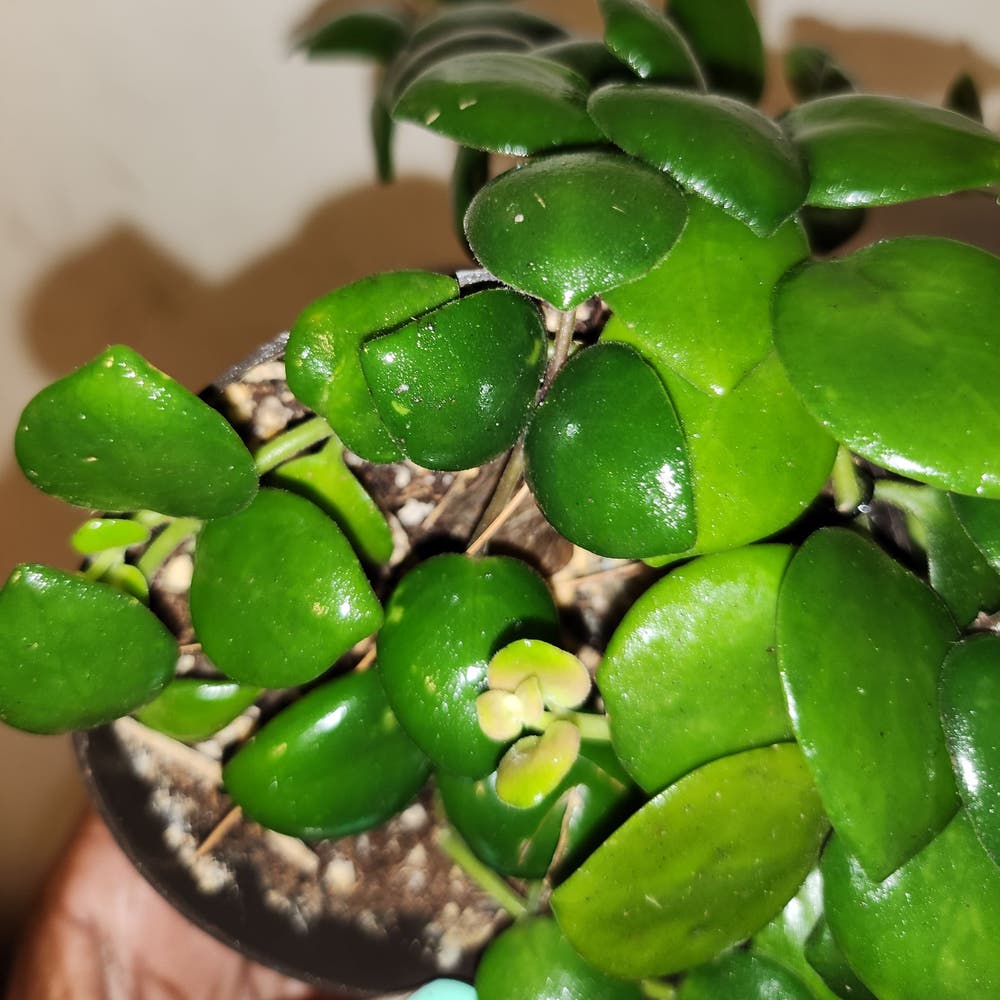
Why Is My Thai Pink Lipstick Plant Dropping Leaves?
Aeschynanthus 'Thai Pink'
By the Greg Editorial Team
Apr 14, 2024•5 min read
This article was created with the help of AI so we can cover more plants for you. May contain errors. See one? Report it here.
Prevent leaf loss in your Thai Pink Lipstick Plant with these essential care tips! 🍃🔍
- 🌧️ Overwatering? Check soil moisture and adjust watering habits to prevent root rot.
- 🌡️💡 Stable light and temperature are crucial; avoid direct sun and cold drafts.
- 🌱 Regular soil tests for nutrient balance; use water-soluble fertilizer as needed.
Spotting the Signs: When Your Plant Sheds More Than Just Tears
🚰 Recognizing Overwatering Symptoms
Yellow leaves waving the white flag? Your Thai Pink Lipstick Plant might be drowning in excess water. Root rot is a common overwatering outcome, turning roots mushy and leaves to drop. Check the soil: if it's more swamp than garden, it's time to adjust your watering habits.
🌞 Light and Temperature: Finding the Sweet Spot
Leaves dropping like flies? It could be a cry for help in a language of light and temperature stress. A plant stretching for light or recoiling from a chill is telling you it's not in its happy place. Keep the environment consistent, avoiding the scorch of too much sun or the shiver of a cold draft.
🍽️ Nutrient Know-How: Yellow Leaves Aren't Always for Autumn
Leaves turning yellow and falling off doesn't always signal the change of seasons. It's often a sign of nutrient deficiency. Regular soil tests can help you spot what's missing in your plant's diet, preventing the untimely leaf drop that poor nutrition can cause.
Troubleshooting Tips: Getting to the Root of the Problem
💧 Adjusting Your Watering Ways
If your Thai Pink Lipstick Plant is swimming in excess water, ease up on the hydration. Let the soil become your guide; only water when the top inch feels dry. Root rot is a silent killer, so ensure proper drainage and avoid letting the plant sit in water.
For a watering schedule that sings in tune with your plant's needs, observe its response post-watering. Leaves perking up? You've nailed it. Still droopy? Time to reassess. Remember, your plant's water needs vary with seasons and growth stages.
🌞 Light and Temperature Tweaks
Your plant craves bright, indirect sunlight like a morning coffee. Too much direct sun, and you'll have a sunburnt, crispy plant on your hands. Too little, and you'll witness a slow, leaf-dropping demise. Rotate your plant for even growth and prevent it from leaning into a light source like a nosy neighbor.
Temperature is another piece of the puzzle. Keep it stable; your plant isn't a fan of dramatic changes. Think of it as a guest in your home who prefers a consistent, comfortable room temperature. Acclimate your plant to new environments gradually to avoid shocking its botanical system.
🌱 Balancing the Diet: Fertilization Fixes
Choosing the right fertilizer is like picking the perfect seasoning—it can make or break your plant's health. Go for a balanced, water-soluble fertilizer and follow the label's love letter of instructions.
Frequency is key; overfeeding leads to nutrient burn, while underfeeding starves your plant of its zest for life. Adjust your fertilization schedule based on the plant's growth cycle—less in the dormant winter months, more during the lively growing season.
The Unseen Culprits: Pests and Diseases
🐜 Identifying Common Invaders
Leaf drop in your Thai Pink Lipstick Plant might be the work of unseen invaders. Pests such as aphids, spider mites, and mealybugs are notorious for causing havoc. These tiny vampires suck the sap out of leaves, leaving them curled and distressed. Look for discolored spots, webbing, or those telltale bumps that are scale insects.
Diseases, on the other hand, can be sneakier. Fungal and bacterial infections often start as innocuous spots on leaves. A yellow halo around a brown or black spot? That's your red flag. It's a sign that your plant is throwing an unwanted party for fungal gatecrashers.
🛡️ Winning the Battle Against Bugs and Blight
To evict these party crashers, isolation is your first move. Keep the infected plant away from its neighbors to prevent the spread. Next, remove any fallen leaves and clear debris to disrupt the life cycle of these pests and diseases.
For those pesky bugs, insecticidal soap or neem oil are your go-to weapons. Apply with precision, making sure to hit all the nooks and crannies where bugs love to hide. Fungal foes? They hate dry leaves and well-pruned plants. Water at the base to keep leaves dry, and don't shy away from a targeted application of fungicide.
Preventative practices are your plant's best defense. Regular inspections are like health check-ups; they keep your plant fit and ready to fight off any invaders. Encourage beneficial insects and biodiversity in your garden—it's like building a fortress without giving pests a VIP pass. And remember, prevention is also about smart gardening practices, like choosing resistant cultivars and rotating your crops to keep diseases guessing.
Prevention: Keeping Your Plant Happy and Leafy
💧 Water Wisdom: Avoiding Overhydration
Consistency is your plant's best friend. Establish a watering routine that's as dependable as your daily alarm. Stick to it, and your plant will reward you with vigorous growth.
- Check the soil before watering; if the top 2 inches are dry, it's time to hydrate.
- Tailor your watering schedule with the seasons—less in winter, more in summer.
🌞 Consistent Comfort: Stabilizing Light and Temperature
Create a stable environment for your plant to thrive in. Maintain a humidity level between 40-60% and provide bright, indirect light. Adjust your care with the changing seasons—less water in the cooler months, more in the warmer ones. Consistency isn't just comforting; it's a growth supercharger.
- Rotate the pot regularly for even light exposure and growth.
- Avoid dramatic temperature fluctuations; think steady climate, not a weather rollercoaster.
🍽️ Nutritional Necessities: Ensuring a Balanced Feed
Nutrition is non-negotiable. A balanced fertilizer is your plant's best friend, but don't overdo it. Too much love can be just as harmful as neglect.
- Feed your plant a balanced, water-soluble fertilizer monthly during the growing season.
- Monitor your plant's response after feeding to ensure your regimen is on point.
⚠️ Safety First
This content is for general information and may contain errors, omissions, or outdated details. It is not medical, veterinary advice, or an endorsement of therapeutic claims.
Always consult a qualified healthcare professional before using any plant as food, medicine, or supplement.
Never eat any plant (or feed one to pets) without confirming its identity with at least two trusted sources.
If you suspect poisoning, call Poison Control (800) 222-1222, the Pet Poison Helpline (800) 213-6680, or your local emergency service immediately.
Spotted an error? Please report it here.
Prevent leaf drop and keep your Thai Pink Lipstick Plant thriving 🌿 with Greg's custom care plans, including watering schedules, environmental tips, and a community of experts ready to help!