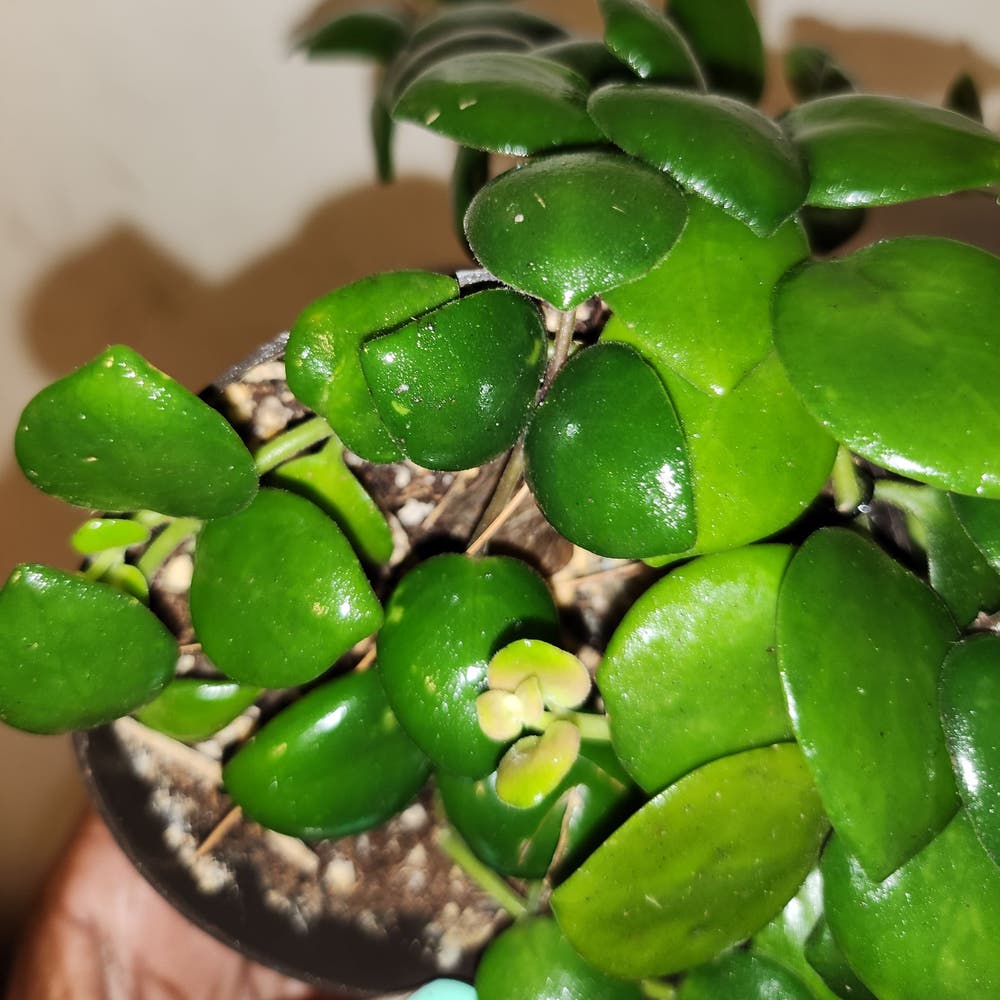
💄 How Much Sunlight Does My Thai Pink Lipstick Plant Need?
Aeschynanthus 'Thai Pink'
By the Greg Editorial Team
Apr 14, 2024•4 min read
This article was created with the help of AI so we can cover more plants for you. May contain errors. See one? Report it here.
Nurture your Thai Pink Lipstick Plant to full bloom by mastering its unique indoor/outdoor light needs. 🌿🌤️
- 🌞 Bright, filtered light is ideal; avoid direct sunlight to prevent leaf burn.
- Rotate weekly and adjust seasonally for balanced exposure and blooming.
- Use LED grow lights for energy efficiency and to encourage flowering.
Basking in the Right Glow: Indoor Light Needs
⚖️ Finding the Sweet Spot
Identifying the ideal location for your Thai Pink Lipstick Plant is like cracking a safe – it requires precision. Bright, filtered light reigns supreme; direct sunlight is the villain in this story. Look for a spot that's just right, such as near a window draped with sheer curtains. This will bathe your plant in a gentle luminance without the harshness of direct rays.
Understanding the balance between light intensity and duration is non-negotiable. Your plant isn't looking for a tan; it wants consistent exposure to indirect sunlight. North or east-facing windows usually hit the jackpot, offering the light your plant craves without the risk of sunburn.
🔍 Signs of Too Much or Too Little Light
Recognizing the symptoms of light-related stress in your plant is key. Leaves that look sun-bleached or crispy are your plant's way of saying, "I've had enough!" Conversely, if your plant starts stretching out like it's trying to grab something just out of reach, it's silently begging for more light.
Adjusting your plant's position based on these signs is crucial. Move your plant away from the window if it's getting too much sun, or closer if it's not getting enough. And remember, a quarter rotation weekly helps prevent your plant from leaning too much to one side. It's all about keeping that light exposure balanced, like a well-mixed cocktail.
Thriving Under the Sun: Outdoor Light Needs
🌞 The Great Outdoors Dilemma
Direct sunlight or partial shade? That's the question for your Thai Pink Lipstick Plant once it hits the great outdoors. While it loves a good sunbath, too much can fry its delicate leaves. Best practice: start in a shaded area, then gradually introduce it to indirect sunlight. Think of it as a plant's version of dipping toes before a full plunge.
🍂 Seasonal Adjustments
As the seasons turn, so should your approach to lighting. Spring calls for a bit more direct sun love, but come summer, you'll want to shield your plant from the midday glare. It's not just about avoiding a crispy plant; it's about keeping those leaves lush and ready for the spotlight.
Let There Be Light: The Flowering Connection
💡 Light's Role in Getting Those Pink Blooms
The Thai Pink Lipstick Plant's flowering potential is tightly linked to its light environment. Quality and quantity of light are the conductors of its blooming orchestra. To encourage those coveted pink blooms, you'll need to provide bright, indirect light. Direct sunlight can be too harsh, leading to leaf burn, while low light can result in a lackluster floral display.
💡 Timing and Intensity of Light for Encouraging Blooms
The timing of light exposure is just as crucial as the intensity. Longer daylight hours can signal the Thai Pink Lipstick Plant to initiate its flowering process. If you're growing indoors, consider supplementing with a grow light that emits red wavelengths—this mimics the warm end of the spectrum and can help trigger blooming. Remember to introduce changes gradually to avoid stressing the plant.
Supplementing Sunlight: The Grow Light Advantage
💡 Choosing the Right Grow Light
Grow lights are essential for the Thai Pink Lipstick Plant when sunlight is as scarce as hen's teeth. LEDs are the rock stars here, energy-efficient with a lifespan that outlasts the hype of a one-hit-wonder band. They emit a full spectrum of light, which is like a VIP buffet for your plant's photosynthetic needs. Fluorescent bulbs are the opening act; less costly but still effective, especially if you're on a budget tighter than skinny jeans. Steer clear of incandescent bulbs; they're the heat blast nobody asked for.
Setting Up Your Indoor Sun
Imagine you're a director setting the stage for an epic plant performance. The grow light is your spotlight, and it needs to hit just right. Position it above the Thai Pink Lipstick Plant, keeping a sweet spot distance of 6 to 12 inches to avoid a leaf-tanning disaster. Aim for about 12-14 hours of light daily to mimic the sun's work shift. But remember, even plants punch out for the day, so give them their well-deserved dark hours to rest and rejuvenate. Keep an eye on your green actor's cues; if it starts to look more washed out than a faded t-shirt, it's time to tweak the light levels.
⚠️ Safety First
This content is for general information and may contain errors, omissions, or outdated details. It is not medical, veterinary advice, or an endorsement of therapeutic claims.
Always consult a qualified healthcare professional before using any plant as food, medicine, or supplement.
Never eat any plant (or feed one to pets) without confirming its identity with at least two trusted sources.
If you suspect poisoning, call Poison Control (800) 222-1222, the Pet Poison Helpline (800) 213-6680, or your local emergency service immediately.
Spotted an error? Please report it here.
Discover the ideal light for your Thai Pink Lipstick Plant and watch those blooms flourish with Greg's custom care reminders 🌞 based on real-time environmental data.