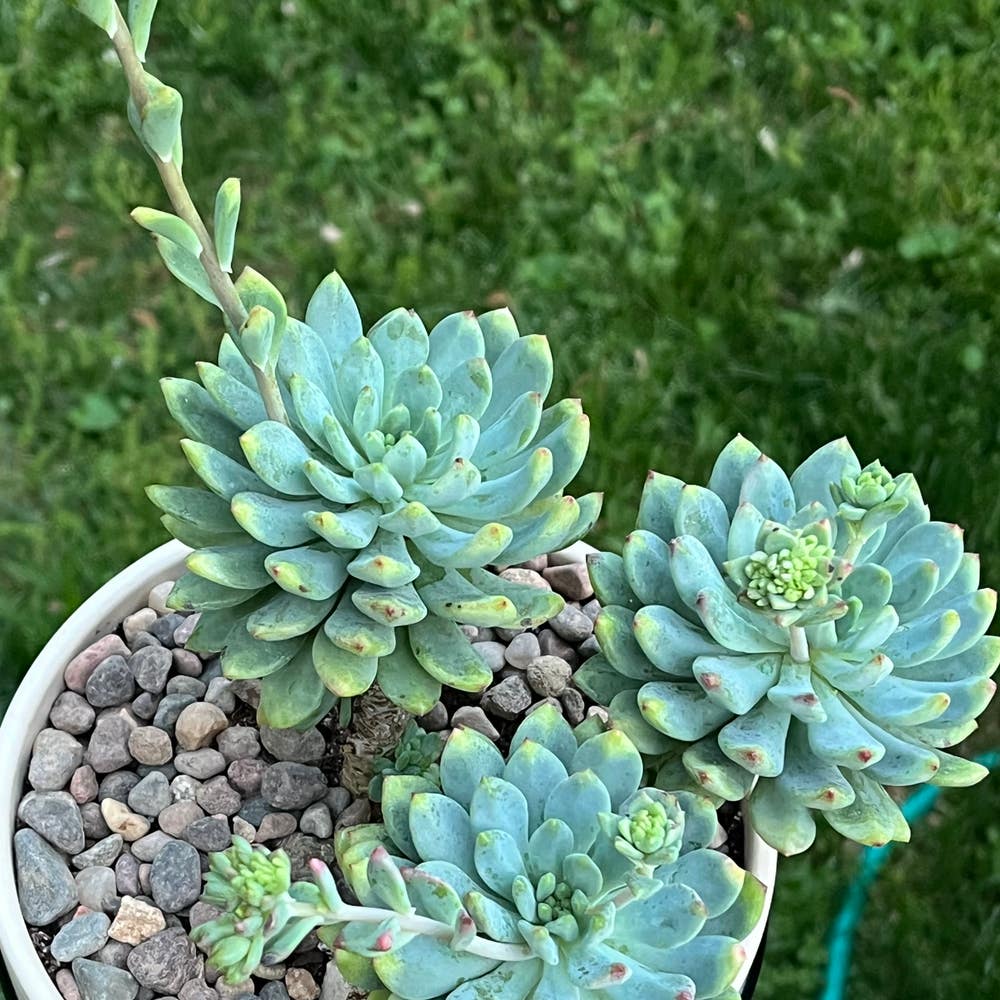
Best Soil Potting Mix for Super Donkey Tail
Sedeveria 'Harry Butterfield'
By the Greg Editorial Team
Jun 18, 2024•4 min read
This article was created with the help of AI so we can cover more plants for you. May contain errors. See one? Report it here.
Boost your Super Donkey Tail's zest 🌵 with the perfect soil mix for peak plant health!
- 🚨 Mold and compacted soil signal distress; intervene with airflow and gritty material.
- 🌱 Perfect mix: perlite, coarse sand, organic matter for Super Donkey Tail.
- 🛒 Shop smart: look for drainage, organic content, and neutral to slightly acidic pH.
Spotting and Fixing Unhappy Soil
🚨 Recognizing the SOS Signs from Your Soil
Mold on your Super Donkey Tail's soil isn't a style statement; it's a distress signal. If you spot a fuzzy or slimy layer on top, it's time to act. Odor is another giveaway; a healthy soil shouldn't smell like last week's forgotten leftovers. When leaves start to yellow or drop, consider it your plant's way of waving a white flag.
Turning the Soil Ship Around
For moldy situations, cut back on the H2O and crank up the airflow. Sunlight is mold's worst enemy, so let your succulent soak up some rays. Still got mold? It's repotting o'clock. Shake off the old soil, give your plant a new home, and keep the water to a minimum.
Compacted soil is like tight jeans after Thanksgiving dinner—uncomfortable and no good for anyone. If water sits on top like a duck in a pond, it's time to intervene. Loosen up the soil with a stick or fork, and consider mixing in some gritty material to improve drainage. Remember, your Super Donkey Tail's roots need breathing room, not a swampy bath.

Crafting the Ultimate Soil Mix
🌱 The Ingredients List
Perlite, coarse sand, and organic matter are non-negotiables for your Super Donkey Tail's potting mix. Perlite ensures proper aeration and prevents waterlogging, while coarse sand enhances drainage, a must for succulent health. Organic matter, like compost or worm castings, offers a nutrient boost without compromising the mix's dryness.
🌿 Mixing It Up
- Start with a base of all-purpose potting soil to provide structure.
- Add one part perlite for every two parts of soil to promote air flow.
- Mix in one part coarse sand to improve drainage and mimic the Super Donkey Tail's natural habitat.
- Incorporate organic matter sparingly; a half cup per gallon of soil mix should suffice.
- Stir the components until the mixture is even and resembles a gritty, loose structure.
- Test the mix: it should hold moisture briefly but dry out quickly, ensuring your Super Donkey Tail won't sit in wet soil.
- Adjust as needed—if it's too dense, add more perlite; if too dry, a bit more organic matter.
Crafting this mix is like tuning an instrument—aim for the perfect balance between drainage and nutrients for a symphony of growth.

Shopping for Super Donkey Tail Soil
🌱 Picking the Perfect Pre-Made Mix
When your Super Donkey Tail beckons for the ideal soil, the label is your treasure map. Weight matters; a lighter mix hints at better aeration, a must for those tender roots.
What to Look for on the Label
- Drainage is your plant's best friend. Look for perlite, pumice, or coarse sand.
- Organic content should be front and center. Compost or worm castings? Yes, please.
- pH levels should be neutral to slightly acidic. If it's not boasting, it's not boasting for a reason.
Top Picks for Commercial Soil Mixes
- Premium Mixes: They're the all-inclusive resort for your plant's roots.
- Orchid Bark Blends: Not just for orchids, they add texture your Super Donkey Tail will adore.
- Cactus Mixes: With a sprinkle of organic matter, they transform into a succulent's sanctuary.
Remember, convenience is key, but so is quality. If the mix is too dense, it's a no-go. And always check for added fertilizers to avoid an accidental root barbecue.

When to Say Goodbye to Old Soil
🌱 The Repotting Rundown
Roots on the Run: If your Super Donkey Tail's roots are making a break for it out of the drainage holes, it's time. They're not trying to escape; they're cramped and begging for more space.
Thirsty Soil: When the potting mix dries out quicker than you can water it, that's your cue. Your plant isn't just thirsty; it's living in a desert.
Growth Stunt: A Super Donkey Tail that's stopped growing is silently protesting. It's not being stubborn; it's suffocating in depleted soil.
Annual Checkup: Even without these signs, give your plant a yearly soil refresh. It's not just maintenance; it's a nutrient reboot.
🌿 How to Repot without Causing a Fuss for your Super Donkey Tail
Gentle Extraction: Squeeze the pot to loosen its grip, then ease the plant out. It's not a tug-of-war; treat it like a delicate dance.
Root Review: Inspect the roots, snipping away any that are dead or damaged. You're not being harsh; you're giving the healthy roots room to breathe.
Fresh Foundation: Introduce your plant to its new, nutrient-rich soil. This isn't just a change of scenery; it's a new lease on life.
Post-Repotting TLC: Water the plant and then let it settle. Don't drown it in love; just give it the moisture it needs.
Stable Setting: Keep your Super Donkey Tail in a stable location after repotting. It's not a nomad; it thrives on consistency.
⚠️ Safety First
This content is for general information and may contain errors, omissions, or outdated details. It is not medical, veterinary advice, or an endorsement of therapeutic claims.
Always consult a qualified healthcare professional before using any plant as food, medicine, or supplement.
Never eat any plant (or feed one to pets) without confirming its identity with at least two trusted sources.
If you suspect poisoning, call Poison Control (800) 222-1222, the Pet Poison Helpline (800) 213-6680, or your local emergency service immediately.
Spotted an error? Please report it here.
Revitalize your Super Donkey Tail with a custom soil blend 🪴 by following Greg's tailored advice for optimal potting mix and care reminders.