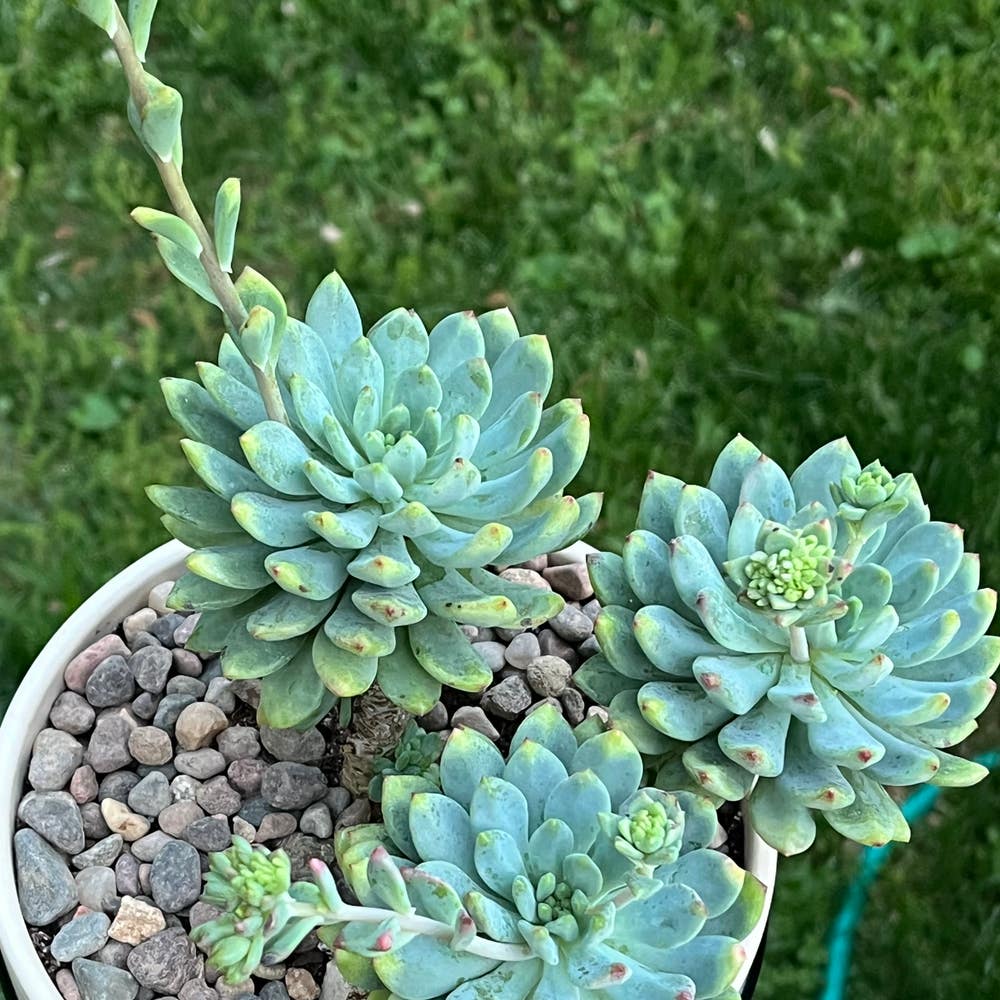
Why Your Super Donkey Tail Buds Won't Open 🐴
Sedeveria 'Harry Butterfield'
By the Greg Editorial Team
Sep 30, 2024•5 min read
This article was created with the help of AI so we can cover more plants for you. May contain errors. See one? Report it here.
Transform your Super Donkey Tail Buds into blooming beauties with these essential care tips! 🌱
- 🌡️ Optimal temperatures for Super Donkey Tail Buds are 20°C to 30°C (68°F to 86°F).
- 💧 Low humidity and overwatering hinder blooming; maintain balance for healthy growth.
- ☀️ Bright, indirect sunlight for 6 hours daily is crucial for bud opening.
Common Causes of Failure to Bloom
🌪️ Environmental Stress Factors
Temperature plays a crucial role in the blooming process. Ideally, your Super Donkey Tail Buds thrive in temperatures between 20°C to 30°C (68°F to 86°F).
Fluctuations outside this range can stress the plant, hindering its ability to bloom. Additionally, low humidity levels can be detrimental, as these plants prefer a more humid environment to flourish.
☀️ Light Requirements
Light is another vital factor for blooming success. Your Super Donkey Tail Buds need a minimum of 6 hours of bright, indirect sunlight daily to thrive.
Insufficient light can lead to poor blooming, while direct sunlight may cause leaf scorch, adding stress to the plant.
🍽️ Nutritional Deficiencies
Nutritional balance is key for healthy blooms. A lack of essential nutrients like nitrogen, phosphorus, and potassium can significantly impact flower development.
Signs of deficiency often include stunted growth and poor flower quality, indicating that your plant needs a nutritional boost.
Understanding these common causes can help you troubleshoot and create the ideal conditions for your Super Donkey Tail Buds to bloom beautifully. Next, let’s explore the issue of premature flower drop and how to prevent it.
Premature Flower Drop
🌪️ Causes of Bud Drop
Premature flower drop can be frustrating, especially when you've nurtured your Super Donkey Tail Buds with care. One common culprit is stress from environmental changes, such as rapid temperature shifts or drafts. These fluctuations can shock your plant, causing it to drop its buds in an effort to survive.
Another significant factor is overwatering. When the roots sit in soggy soil, they can develop root rot, leading to stress that results in bud drop. It's crucial to find that sweet spot in your watering routine to keep your plant thriving.
🛠️ Solutions to Prevent Premature Flower Drop
To prevent premature flower drop, start by adjusting your watering schedule. Allow the soil to dry out between waterings, ensuring your plant has a chance to breathe. This simple change can make a world of difference.
Next, focus on stabilizing environmental conditions. Avoid sudden changes in light or temperature, as consistency is key for your plant's health. By creating a stable environment, you can help your Super Donkey Tail Buds flourish and keep those blooms intact.
With these strategies in place, you’ll be well on your way to enjoying a vibrant display of flowers. Next, let’s explore how to identify and address abnormal flower development.
Abnormal Flower Development
Identifying Abnormalities 🌼
When your Super Donkey Tail buds aren't blooming as expected, the first step is to identify any abnormalities. Look for smaller or misshapen flowers, which can be a clear sign of stress.
Additionally, pay attention to color changes. Fading or unusual colors can indicate that your plant is struggling, signaling a need for immediate care.
Potential Causes 🐞
Several factors can lead to these flowering issues. Nutritional imbalances, particularly excessive nitrogen, can result in poor flower quality.
Pest infestations are another culprit. Aphids or mealybugs can wreak havoc on your plant's health, leading to abnormal flower development.
Solutions for Healthy Flower Development 🌱
To promote healthy blooms, regular monitoring for pests is essential. Implementing organic pest control methods can help keep your plant safe.
Adjusting your fertilization practices is equally important. Using a balanced fertilizer during the bloom cycle ensures your plant receives the nutrients it needs to thrive.
With these strategies in place, you can encourage your Super Donkey Tail to produce vibrant, healthy flowers. Next, let’s explore the environmental factors that can further affect flowering.
Environmental Factors Affecting Flowering
🌞 Importance of Light Conditions
Light is crucial for your Super Donkey Tail Buds to thrive. They need bright, indirect light for at least six hours daily to encourage blooming.
Direct sunlight can be a double-edged sword. While it provides energy, too much can scorch the leaves, leading to stress and poor flower development.
🍽️ Nutritional Needs for Optimal Blooming
A solid fertilization schedule is key. Feed your plants monthly during the growing season to ensure they receive the nutrients they need.
Using balanced NPK fertilizers specifically designed for succulents can make a world of difference. These fertilizers provide essential nitrogen, phosphorus, and potassium for robust growth and blooming.
🚰 Soil Composition and Drainage
The right soil mix is vital for healthy blooms. A well-draining succulent or cactus mix helps prevent water retention, which can lead to root rot.
Good drainage is non-negotiable. It not only prevents root rot but also promotes healthy blooms, allowing your Super Donkey Tail Buds to flourish.
Understanding these environmental factors can significantly enhance your plant's blooming potential. With the right light, nutrition, and soil conditions, you're setting the stage for a vibrant display of flowers. Next, let’s dive into troubleshooting common flowering issues to keep your plants in top shape.
Troubleshooting Flowering Issues
Step-by-Step Solutions for Common Problems 🌱
Assess light conditions: Ensure your Super Donkey Tail Buds receive at least six hours of bright, indirect sunlight daily. If they're not getting enough light, consider relocating them to a brighter spot.
Check soil moisture: Overwatering can lead to root rot, so allow the soil to dry out between waterings. A simple finger test can help; if the top inch of soil feels dry, it’s time to water.
Inspect for pests: Regularly check for pests like aphids or mealybugs that can stress your plants. If you spot any, implement organic pest control methods to keep your plants healthy.
Review nutritional practices: Ensure you’re using a balanced fertilizer during the bloom cycle. Adjust your fertilization schedule if you notice signs of nutrient deficiencies.
When to Seek Professional Help 🆘
Signs of persistent issues: If you experience ongoing bud drop or abnormal flower development, it might be time to consult an expert.
Consulting with a local nursery or plant specialist: They can provide tailored advice based on your specific situation and help you get your Super Donkey Tail Buds back on track.
By following these troubleshooting steps, you can address common flowering issues effectively. If problems persist, don’t hesitate to reach out for professional guidance to ensure your plants thrive.
⚠️ Safety First
This content is for general information and may contain errors, omissions, or outdated details. It is not medical, veterinary advice, or an endorsement of therapeutic claims.
Always consult a qualified healthcare professional before using any plant as food, medicine, or supplement.
Never eat any plant (or feed one to pets) without confirming its identity with at least two trusted sources.
If you suspect poisoning, call Poison Control (800) 222-1222, the Pet Poison Helpline (800) 213-6680, or your local emergency service immediately.
Spotted an error? Please report it here.
Unlock the blooming potential of your Super Donkey Tail Buds 🌼 with Greg's personalized care tips and watering reminders, ensuring they thrive in the perfect conditions!