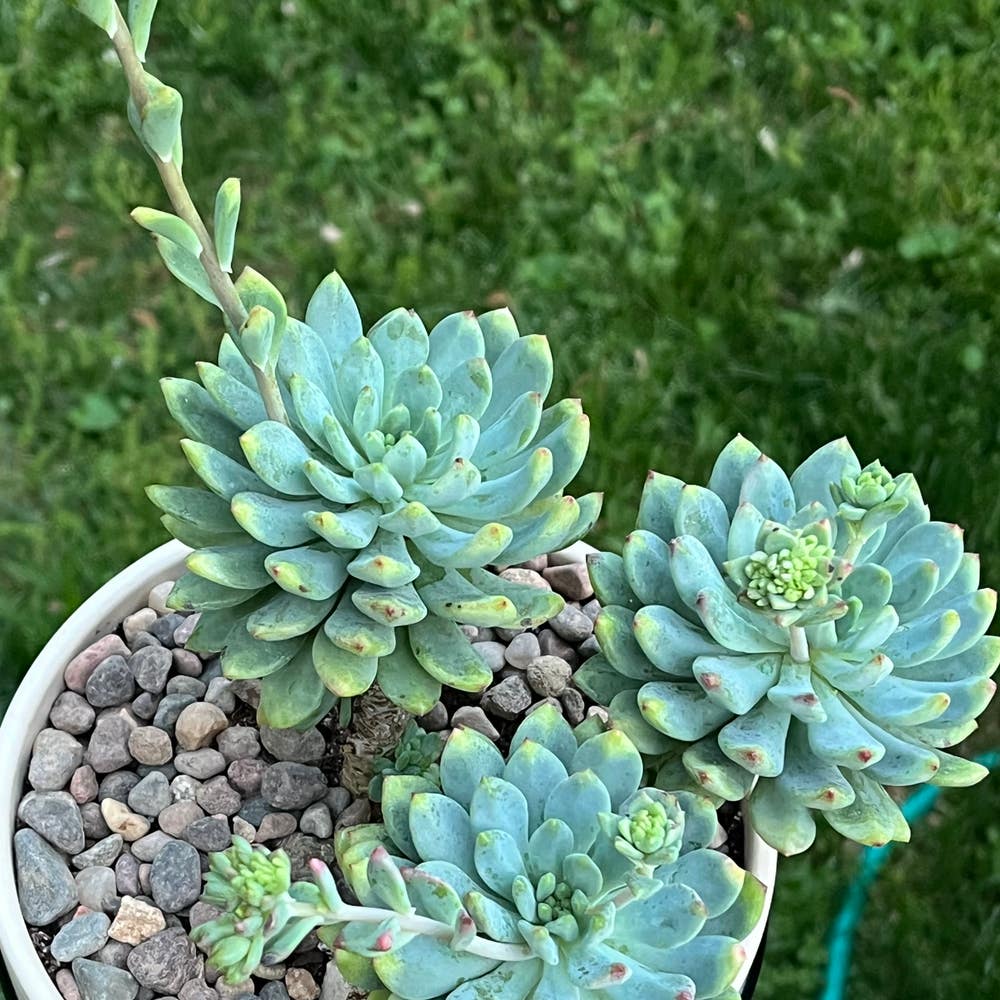
Sedeveria 'Harry Butterfield': A Comprehensive Overview
Sedeveria 'Harry Butterfield'
By the Greg Editorial Team
Jan 23, 2025•11 min read
This article was created with the help of AI so we can cover more plants for you. May contain errors. See one? Report it here.
Elevate your garden with Sedeveria 'Harry Butterfield' 🌱, a vibrant succulent that's both beautiful and low-maintenance! 🌼
- 🌞 Sedeveria 'Harry Butterfield' thrives in bright, indirect sunlight for optimal growth.
- 💧 Water only when soil is dry to prevent root rot and ensure health.
- 🌱 Propagate through cuttings or offsets for easy expansion of your succulent collection.
How to Grow
🌞 Choosing a Location
Sedeveria 'Harry Butterfield' thrives in bright, indirect sunlight. Whether you place it indoors or outdoors, ensure it receives ample light without direct exposure to harsh rays.
🌱 Soil Preparation
For optimal growth, use a well-draining succulent mix. Aim for a pH level between 6.0 and 7.0, which is slightly acidic to neutral.
🌿 Planting Techniques
When planting, ensure the crown of the plant is above soil level to prevent rot. If you're planting multiple specimens, space them about 12 inches apart for healthy growth.
💧 Watering Requirements
Water your Sedeveria only when the soil has completely dried out. Watch for signs of overwatering, like yellowing leaves, or underwatering, which can cause shriveling.
🌼 Fertilizing Schedule
Use a balanced, diluted succulent fertilizer to nourish your plant. Fertilize every 4-6 weeks during the growing season for best results.
✂️ Pruning Methods
Prune your Sedeveria after flowering or to remove any dead leaves. Always use clean, sharp scissors to avoid damaging the plant.
🔍 Ongoing Care Tips
Keep an eye out for pests and diseases that may affect your plant. Adjust care routines seasonally to meet changing environmental conditions.
🏡 Outdoor vs. Container Growing
Container growing offers the advantage of mobility and better control over soil conditions. However, outdoor planting allows for natural climate adaptability and exposure to the elements, which can benefit growth.
With these guidelines, you'll be well on your way to cultivating a healthy and vibrant Sedeveria 'Harry Butterfield'. Next, let’s explore how to propagate this delightful succulent!
Propagation
Propagation of Sedeveria 'Harry Butterfield' can be a rewarding experience, allowing you to expand your collection or share with friends. There are three primary methods: leaf cuttings, stem cuttings, and offsets division.
🍃 Leaf Cuttings
Selecting healthy leaves: Start by choosing plump, mature leaves from the plant. This ensures a higher success rate for propagation.
Drying period: Allow the cuttings to callous for 1-2 days. This step is crucial as it helps prevent rot when planted.
Planting: Place the dried cuttings in well-draining soil and water sparingly. Overwatering can lead to issues, so it's best to err on the side of caution.
✂️ Stem Cuttings
Cutting length: For stem cuttings, aim for pieces that are 3-4 inches long. This length provides enough material for rooting.
Callousing: Similar to leaf cuttings, allow the stem cuttings to dry for 1-2 days before planting. This helps protect the cut end.
Watering: After planting, lightly water the cuttings. Keep the soil slightly moist but not soggy.
🌱 Offsets Division
Identifying offsets: Look for small rosettes at the base of the main plant. These offsets are ready to be separated and propagated.
Separating offsets: Gently twist or cut the offsets away from the main plant. Be careful not to damage the roots.
Replanting: Place the separated offsets in well-draining soil and water lightly. They should establish quickly with proper care.
With these propagation methods, you can easily multiply your Sedeveria 'Harry Butterfield' and enjoy its beauty in various locations. Next, let’s explore the lifecycle of this fascinating plant and what to expect at each stage.
Lifecycle
Germination Process 🌱
The journey of Sedeveria 'Harry Butterfield' begins with germination, which typically takes about 2-3 weeks. During this time, seeds absorb moisture and begin to sprout, marking the start of their life cycle.
Seedling Stage 🌿
Once germinated, the seedlings emerge with small, tender leaves. This stage is characterized by slow growth as the young plants establish their roots and acclimate to their environment.
Vegetative Growth 🌼
As the seedlings mature, they enter the vegetative growth phase. Here, they develop distinct rosettes and increase in size, showcasing their unique form and vibrant colors.
Flowering and Seed Production 🌸
Sedeveria 'Harry Butterfield' usually flowers in late spring to early summer. This flowering period not only adds beauty but also leads to seed production, allowing for future propagation of this charming succulent.
Lifespan and Growth Timeline ⏳
Under optimal conditions, these plants can live for 3-5 years. They grow at a moderate pace, typically reaching maturity within 1-2 years, making them a rewarding addition to any garden or indoor space.
This lifecycle overview highlights the fascinating journey of Sedeveria 'Harry Butterfield' from seed to maturity. Understanding these stages can help you provide the best care and maximize the plant's potential. Next, we will explore the size characteristics of this unique succulent.
Roots
🌱 Root System Characteristics
Sedeveria 'Harry Butterfield' features a fibrous root system. This structure is essential for stability and nutrient absorption.
📏 Depth and Spread
Typically, the roots extend 6-12 inches deep. They also spread laterally, which helps support the plant's growth and stability.
⚠️ Common Root Issues
One of the most common problems is root rot, often caused by overwatering and poor drainage. Healthy roots are firm and white, while unhealthy roots appear brown and mushy.
🔄 Recognizing Rootbound Plants
You can identify a rootbound plant by observing roots growing out of drainage holes or circling the pot. If you notice these signs, it's time to repot into a larger container to give your plant room to thrive.
Understanding the root system of Sedeveria 'Harry Butterfield' is crucial for its overall health. Proper care will ensure your plant flourishes beautifully, setting the stage for the next section on the benefits of this stunning succulent.
Benefits
Aesthetic Appeal 🌺
Sedeveria 'Harry Butterfield' boasts a unique rosette shape and vibrant coloration that can elevate any garden space. Its striking appearance makes it a favorite among succulent enthusiasts and casual gardeners alike.
Air Purification 🌬️
This plant not only beautifies your surroundings but also contributes to improved indoor air quality. By absorbing toxins and releasing oxygen, it creates a healthier living environment.
Low Maintenance 🛠️
For those with busy lifestyles or gardening novices, Sedeveria 'Harry Butterfield' is an ideal choice. Its low maintenance needs mean you can enjoy its beauty without the stress of constant care.
Drought Resistance 💧
This succulent thrives in dry conditions, making it a perfect fit for water-conscious gardeners. Its ability to store water allows it to withstand periods of neglect, reducing your overall water usage.
Symbolism and Cultural Significance 🌍
Beyond its physical attributes, this plant symbolizes resilience and adaptability in various cultures. It serves as a reminder of nature's ability to thrive in challenging conditions, inspiring us to embrace our own adaptability.
As you consider adding Sedeveria 'Harry Butterfield' to your collection, remember its many benefits. Next, we’ll explore the ideal companion plants that can enhance its growth and beauty.
Companion Plants
🌱 Concept of Companion Planting
Companion planting is all about creating a harmonious garden environment. By pairing plants that support each other, you can enhance growth, manage pests, and increase overall garden diversity.
🌼 Best Companion Plants
When it comes to Sedeveria 'Harry Butterfield', consider these companions:
- Other Succulents: They thrive under similar conditions and create a visually appealing arrangement.
- Cacti: Their shared love for bright light and minimal water makes them great partners.
- Drought-Tolerant Plants: These plants can coexist without competing for moisture, ensuring a balanced ecosystem.
🚫 Plants to Avoid
Not all plants are suitable companions for Sedeveria 'Harry Butterfield'. Steer clear of:
- High Moisture Plants: They can lead to overwatering issues, which this succulent does not tolerate well.
- Shade-Loving Plants: These may not thrive in the bright light conditions that Sedeveria prefers.
By choosing the right companions, you can create a thriving garden that showcases the beauty of Sedeveria 'Harry Butterfield' while ensuring its health and vitality. Next, let’s explore the potential toxicity of this plant to pets and humans.
Toxicity to Humans
Sedeveria 'Harry Butterfield' is generally safe for humans. It is not listed as toxic by major poison control centers, making it a great choice for households.
However, there are a few minor concerns to keep in mind. Some individuals may experience mild skin irritation or digestive discomfort if they consume large quantities of the plant.
⚠️ Cautionary Measures
It's wise to monitor for any unusual symptoms after contact or ingestion. If you notice any adverse reactions, it's best to consult a medical professional for advice.
In summary, while Sedeveria 'Harry Butterfield' is not toxic, a little caution goes a long way in ensuring a safe and enjoyable gardening experience.
Next, let’s explore how this plant interacts with our furry friends, focusing on its toxicity to dogs.
Toxicity to Dogs
Sedeveria 'Harry Butterfield' is not considered toxic by major pet poison control centers. This means you can enjoy this beautiful succulent without worrying too much about your furry friends.
However, it's important to note that excessive consumption may lead to mild gastrointestinal upset in dogs. To keep your pet safe, consider placing the plant in an area that's out of reach.
Monitoring your dog's behavior around the plant is also a good practice. If you notice any unusual symptoms after contact or ingestion, consult your veterinarian for advice.
By taking these simple precautions, you can enjoy the beauty of Sedeveria 'Harry Butterfield' while ensuring your dog's well-being. Now, let’s explore how this plant interacts with our feline friends.
Toxicity to Cats
Sedeveria 'Harry Butterfield' is not listed as toxic by major pet poison control centers. This means you can enjoy this beautiful succulent without worrying about your feline friends getting seriously harmed.
However, it's worth noting that excessive eating of the plant could lead to mild gastrointestinal upset in cats.
To keep your cat safe, consider placing the plant in an area that's less accessible to them.
Monitoring your cat's behavior around the plant is also a smart move. If you notice them showing too much interest, it might be time to rethink its location.
By taking these simple precautions, you can enjoy the aesthetic appeal of Sedeveria 'Harry Butterfield' while ensuring your furry companion stays healthy and happy.
Next, let’s explore the common problems that can arise when caring for this resilient succulent.
Problems
Common Problems Faced 🌱
Growing Sedeveria 'Harry Butterfield' can be a rewarding experience, but it's not without its challenges. Understanding common problems can help you maintain a healthy plant.
Incorrect Watering 💧
One of the most frequent issues is incorrect watering. Overwatering can lead to root rot, while underwatering may cause the plant to wilt and lose its vibrant color.
Incorrect Light Conditions ☀️
Light conditions also play a crucial role in the plant's health. Insufficient light can stunt growth, while too much direct sunlight can scorch the leaves.
Diseases 🦠
Fungal diseases can be another concern. It's essential to identify and treat these issues promptly to prevent them from spreading and damaging your plant.
By staying vigilant and addressing these common problems, you can ensure your Sedeveria 'Harry Butterfield' thrives beautifully. Next, let’s explore how to manage pests that may affect your plant.
Bugs
🛡️ Pest Resistance
Sedeveria 'Harry Butterfield' is generally resilient to pests, making it a great choice for both novice and experienced gardeners. However, it's not entirely immune, and some common issues can still arise.
🐜 Common Pests
Two pests to watch out for are spider mites and mealybugs.
- Spider Mites: These tiny pests create fine webbing and cause leaf stippling, which can detract from the plant's beauty.
- Mealybugs: Look for cotton-like masses on leaves; they can weaken the plant if left untreated.
💊 Treatment Options
Managing pests effectively is crucial for keeping your Sedeveria healthy.
- Organic Methods: Consider using insecticidal soap or neem oil for a gentle approach that minimizes harm to beneficial insects.
- Chemical Control: If the infestation is severe, a targeted chemical pesticide may be necessary, but always follow the manufacturer's instructions.
By staying vigilant and addressing any pest issues promptly, you can ensure your Sedeveria thrives and remains a stunning addition to your collection. Next, let’s explore what animals might be interested in snacking on your plant.
What Eats Sedeveria 'Harry Butterfield'
🦌 Common Animals
Sedeveria 'Harry Butterfield' can attract a variety of herbivores. Common culprits include deer, rabbits, and squirrels, all of which may find this succulent appealing.
🔍 Signs of Animal Presence
To identify if animals are munching on your plant, look for specific signs. Tracks, droppings, and visible damage to the leaves or stems can indicate their presence.
🐾 Damage Description
Different animals cause varying types of damage. Deer may nibble the tops, while rabbits often take bites out of the leaves, and squirrels might uproot the plant in their search for food.
🚫 Deterrent Methods
Protecting your Sedeveria from these hungry visitors can be achieved through several methods. Consider using chemical repellents or organic solutions like cayenne pepper or garlic spray to keep them at bay.
By being proactive, you can enjoy your beautiful succulent without the worry of it becoming a snack!
⚠️ Safety First
This content is for general information and may contain errors, omissions, or outdated details. It is not medical, veterinary advice, or an endorsement of therapeutic claims.
Always consult a qualified healthcare professional before using any plant as food, medicine, or supplement.
Never eat any plant (or feed one to pets) without confirming its identity with at least two trusted sources.
If you suspect poisoning, call Poison Control (800) 222-1222, the Pet Poison Helpline (800) 213-6680, or your local emergency service immediately.
Spotted an error? Please report it here.
Elevate your plant game with Sedeveria 'Harry Butterfield' 🌵—let Greg guide you with personalized care tips and reminders to ensure your succulent thrives effortlessly!