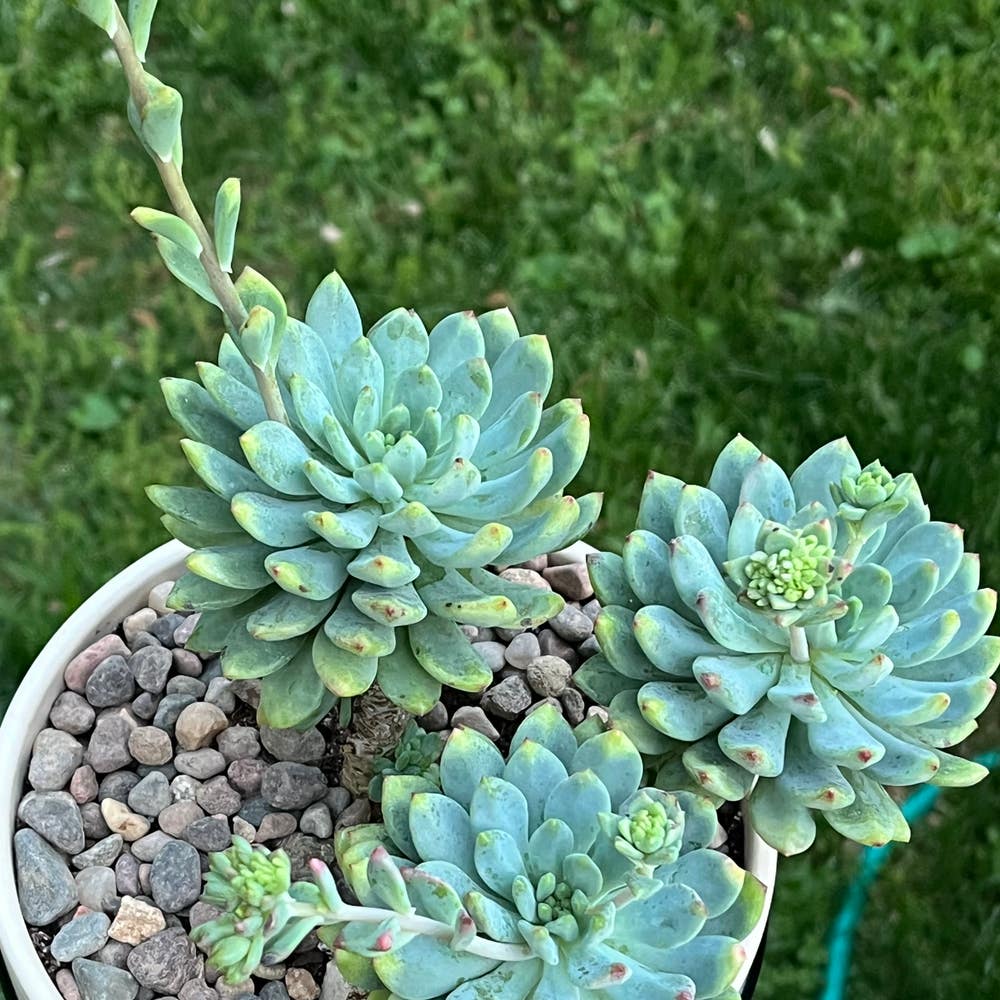
🐴 Ultimate Guide to Super Donkey Tail Roots
Sedeveria 'Harry Butterfield'
By the Greg Editorial Team
Sep 30, 2024•6 min read
This article was created with the help of AI so we can cover more plants for you. May contain errors. See one? Report it here.
Master the art of nurturing your Super Donkey Tail 🌱 with essential insights into its unique root system and care needs!
- 🌱 Super Donkey Tail roots maximize moisture absorption, thriving in various environments.
- 💧 Healthy roots prevent issues like wilting and yellowing leaves; monitor closely.
- 🌿 Repotting and proper watering are key to maintaining robust root health.
Root System Characteristics
🌱 Type of Root System
The Super Donkey Tail features a fibrous root system, characterized by shallow yet extensive roots. This design allows the plant to maximize moisture absorption, making it well-suited for various environments.
In contrast, taproot systems have a single, deep root that can access water from lower soil layers. While taproots can be advantageous in drought conditions, fibrous roots offer greater surface area for moisture capture, which can be a game-changer in fluctuating climates.
🌿 Specific Characteristics of Roots
One of the remarkable adaptations of the Super Donkey Tail's roots is their ability to store moisture. This feature is crucial for drought resistance, enabling the plant to thrive even when water is scarce.
The native habitat also plays a significant role in root development. Roots adapt to local soil conditions and moisture availability, ensuring the plant can effectively utilize its environment for optimal growth.
Root Depth and Spread
Typical Root Depth and Spread 🌱
The Super Donkey Tail typically boasts a root depth of 6 to 12 inches. This relatively shallow depth allows for extensive lateral growth, enabling the roots to capture moisture efficiently.
Growth Patterns 🌿
Roots exhibit different growth patterns depending on whether they are planted in containers or directly in the ground. In containers, roots may become more compact, while in the ground, they spread out more freely.
Seasonal Growth Variations 🌦️
Environmental factors play a significant role in root expansion. Seasonal changes, such as temperature and moisture levels, can influence how aggressively roots grow, adapting to the conditions for optimal health.
Understanding these aspects of root depth and spread is crucial for nurturing your Super Donkey Tail. This knowledge sets the stage for effective watering and fertilizing practices, which we'll explore next.
Watering and Fertilizing
🌱 How Root System Affects Watering Needs
Watering techniques for Super Donkey Tail roots require a tailored approach. Since these plants have a fibrous root system, it's crucial to allow the soil to dry out between watering sessions.
This drying period helps prevent overwatering, which can lead to root rot. Adjust your watering frequency based on environmental conditions like humidity and temperature to keep your plant thriving.
🌿 Fertilizing Techniques Tailored to Root Health
When it comes to fertilizers, choosing the right type is essential for optimal root health. Look for fertilizers with an NPK ratio of around 10-10-10 or 5-10-5, as these provide balanced nutrients.
A fertilizing schedule should ideally be set for every 4-6 weeks during the growing season. This ensures your Super Donkey Tail receives the nutrients it needs to support healthy root development and overall plant vigor.
Understanding these watering and fertilizing techniques will set you on the path to nurturing a robust Super Donkey Tail. Next, let’s explore common root issues that can arise and how to tackle them effectively.
Common Root Issues
Identifying Root-Related Problems 🌱
Root issues can manifest in various ways. Look out for signs like wilting, yellowing leaves, and stunted growth, which often indicate underlying problems.
Common culprits include root rot, overwatering, and nutrient deficiencies. Each of these issues can severely impact the health of your Super Donkey Tail.
Solutions and Prevention Tips 🛠️
Preventing root problems starts with proper watering techniques. Allow the soil to dry out between waterings to avoid excess moisture.
Soil selection is equally crucial. Choose well-draining mixes to promote healthy root growth.
If you suspect root rot, act quickly. Remove the plant from its pot, trim away any damaged roots, and repot it in fresh, dry soil to encourage recovery.
By staying vigilant and proactive, you can keep your Super Donkey Tail thriving and resilient against root-related challenges.
Next, we’ll explore how to distinguish between healthy and unhealthy roots, ensuring your plant remains in top condition.
Healthy vs. Unhealthy Roots
🌱 Visual Cues for Healthy Roots
Healthy roots are a gardener's pride. Look for roots that are firm, with a white or light tan color, and free from any foul odor.
Inspecting roots during repotting is crucial. This practice not only helps you identify root health but also ensures your plant thrives in its new environment.
⚠️ Indicators of Unhealthy Roots and Corrective Measures
Unhealthy roots can spell trouble for your plant. Signs include a mushy texture, dark coloration, and a foul smell, indicating potential issues like rot.
To address these problems, start by trimming any damaged roots. Improving drainage and adjusting your watering practices can also help restore root health and prevent future issues.
Rootbound Plants
Definition and Recognition 🌱
Rootbound plants occur when roots grow in circles around the pot, leading to limited growth. This condition restricts the plant's ability to absorb water and nutrients effectively.
Signs of Rootbound Plants 🚩
Look for signs like slow growth and water retention issues. If your plant struggles to thrive despite proper care, it might be rootbound.
When and How to Address Rootbound Issues ⏰
Timing is crucial when addressing rootbound conditions. If you notice stunted growth or roots emerging from the drainage holes, it’s time to repot or prune.
Steps to Alleviate Rootbound Conditions 🛠️
- Repotting: Choose a pot that’s 1-2 inches larger in diameter.
- Pruning: Trim away any circling roots to encourage new growth.
- Soil: Use fresh, well-draining soil to promote healthy root expansion.
By following these steps, you can help your plant regain its vigor and thrive once more. Understanding rootbound conditions is essential for maintaining healthy plants and ensuring they reach their full potential.
Next, we’ll explore propagation and division techniques to further enhance your gardening skills.
Propagation and Division
🌱 Importance of Root Health in Propagation
Healthy roots are crucial for successful propagation. They ensure robust growth and help new plants thrive in their early stages.
Timing also plays a vital role in propagation. The best practices involve propagating during the growing season when the plant is most active, allowing for optimal root development.
✂️ Techniques for Dividing and Propagating
Step-by-Step Instructions for Propagation from Cuttings
Selecting Healthy Stems: Choose stems that are 4-6 inches long. Look for those that are firm and free of blemishes.
Preparing the Soil: Use a well-draining soil mix. This helps prevent rot and encourages healthy root growth.
Watering After Planting: Mist the soil lightly after planting. This keeps the moisture level balanced without oversaturating the soil.
Tips for Dividing Established Plants
When dividing established plants, ensure each division has sufficient root mass. This increases the chances of successful growth for each new plant.
By focusing on root health during propagation and division, you set the stage for vibrant, thriving plants. Understanding these techniques not only enhances your gardening skills but also deepens your connection with your plants.
Next, we’ll explore the signs of healthy versus unhealthy roots, helping you maintain optimal root conditions for your Super Donkey Tail.
⚠️ Safety First
This content is for general information and may contain errors, omissions, or outdated details. It is not medical, veterinary advice, or an endorsement of therapeutic claims.
Always consult a qualified healthcare professional before using any plant as food, medicine, or supplement.
Never eat any plant (or feed one to pets) without confirming its identity with at least two trusted sources.
If you suspect poisoning, call Poison Control (800) 222-1222, the Pet Poison Helpline (800) 213-6680, or your local emergency service immediately.
Spotted an error? Please report it here.
Unlock the secret to thriving Super Donkey Tails with their unique root systems, and let Greg guide you with custom watering alerts 🌿 and fertilization tips for lush, healthy plants!