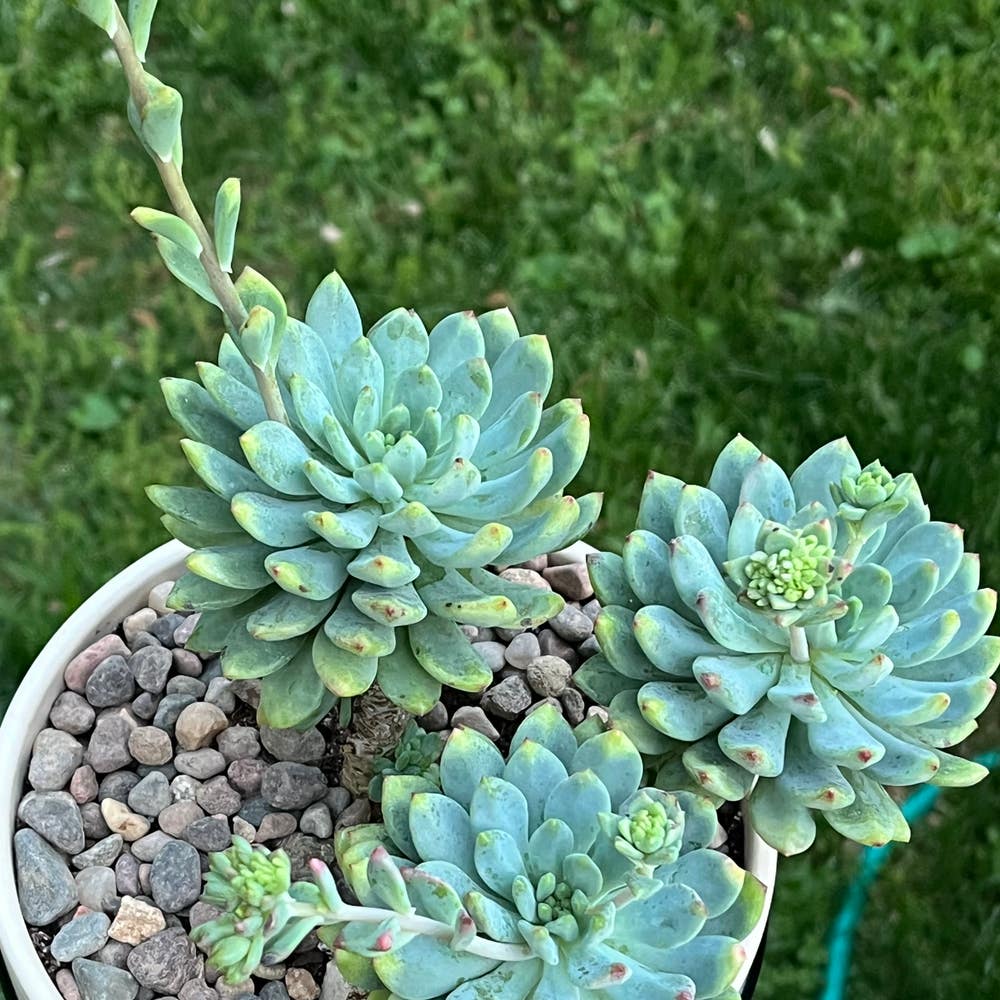
🐴 Light Requirements For Your Super Donkey Tail
Sedeveria 'Harry Butterfield'
By the Greg Editorial Team
Jun 18, 2024•3 min read
This article was created with the help of AI so we can cover more plants for you. May contain errors. See one? Report it here.
Master the light your Super Donkey Tail craves for thriving growth and stunning flowers! 🌞🌼
- Bright, indirect sunlight indoors keeps Super Donkey Tail thriving.
- 🌞🌱 Gradual outdoor acclimation prevents shock and sun damage.
- Seasonal light adjustments and grow lights promote flowering.
Soaking Up the Sun Indoors
🌞 Finding the Sweet Spot
Bright, indirect sunlight is the Goldilocks zone for your Super Donkey Tail. Scour your home for that perfect spot—think near a north-facing window or behind sheer curtains. Too much sun? Leaves may fade or crisp up. Too little? You might see weak, stretched stems reaching for more light.
💡 Let There Be (Artificial) Light!
When your home can't offer enough natural light, it's grow light time. Grow lights are like a caffeine shot for your plant—use them to perk up your Super Donkey Tail. Choose a light that mimics the sun's spectrum but doesn't turn your succulent into a crispy critter. Remember, a 12-hour on-off cycle can keep your plant from stretching out like it's desperate for a tan.

Basking in the Great Outdoors
🌞 Transitioning to Outdoor Sunlight
Acclimating your Super Donkey Tail to the outdoors is like preparing it for a big move—it needs to be done with care. Start by placing it in bright shade for a couple of days to avoid shock. Rotate the plant regularly to ensure all sides receive equal light, preventing any unwanted leaning.
🛡️ Protecting from Direct Sunlight
Direct sunlight can be a bit too intense for your succulent friend. Partial shade is the name of the game here. If you notice signs of distress, such as yellowing leaves, it's time to dial back the sun exposure. It's all about finding that sweet spot where your plant can soak up the rays without getting a sunburn.
🌦 Seasonal Light Shifts
As the seasons change, so do your Super Donkey Tail's light needs. In the summer, protect it from the harsh afternoon sun. Consider a shadier spot or a light-filtering barrier. During winter, your plant will crave every bit of sunlight it can get, so make sure it has access to the weaker rays or consider supplementing with a grow light. Remember, it's not just about quantity of light, but the quality and timing that matter.

When Flowers Crave Light
🌼 The Link Between Light and Blooms
Light is the master switch for flowering in Super Donkey Tail. It's not just about quantity; it's about the quality of light that cues the plant to produce blooms. Bright, indirect light is the sweet spot for this succulent, with a preference for a few hours of direct morning sun. Too much direct light, especially in the heat of the afternoon, can be detrimental, causing the plant to stress without flowering.
🌟 Tips for Encouraging Flowers with the Right Light Recipe
- Position your Super Donkey Tail near a south or west-facing window to catch the right balance of light indoors.
- If outdoor, transition the plant to morning sunlight, then provide shade during the harsher afternoon hours.
- Consider using grow lights if natural light is insufficient, especially during shorter winter days. Red spectrum bulbs can encourage budding.
- Observe your plant; if it's leggy or pale, it's begging for more light. Rotate it regularly for even exposure.
- Stress can sometimes promote blooming, but it's a delicate dance. A slight reduction in watering, mimicking drought conditions, can trigger flowering without harming the plant.
- Remember, it's about routine. Keep light exposure consistent, and adjust as the seasons change to maintain the right light levels.
- If all else fails, tweak the light duration. More light can stimulate blooming, but watch for signs of light burn and dial it back if necessary.
Avoid the temptation to overdo it; like a good coffee, the right light should be strong but not scorching. Keep it balanced, and your Super Donkey Tail will reward you with its charming blooms.

⚠️ Safety First
This content is for general information and may contain errors, omissions, or outdated details. It is not medical, veterinary advice, or an endorsement of therapeutic claims.
Always consult a qualified healthcare professional before using any plant as food, medicine, or supplement.
Never eat any plant (or feed one to pets) without confirming its identity with at least two trusted sources.
If you suspect poisoning, call Poison Control (800) 222-1222, the Pet Poison Helpline (800) 213-6680, or your local emergency service immediately.
Spotted an error? Please report it here.
Ensure your Super Donkey Tail gets just the right amount of indirect sunlight 🌤 with Greg's personalized light tracking, making plant care as breezy as a summer day!