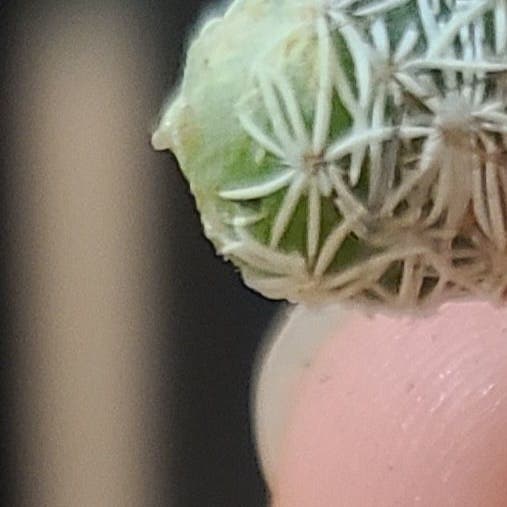
🌵 How to Propagate Your Nipple Beehive Cactus
Coryphantha macromeris
By the Greg Editorial Team
Feb 29, 2024•4 min read
This article was created with the help of AI so we can cover more plants for you. May contain errors. See one? Report it here.
Propagate your Nipple Beehive Cactus 🌵 effortlessly with this guide, from offsets to seeds—patience rewarded!
- Select healthy stems and cut at a 45-degree angle for propagation.
- Callus before planting to prevent rot; maintain soil moisture.
- Patience and environment are key for germinating seeds and troubleshooting issues.
Getting Started with Offsets
🔍 Spotting and Snipping the Right Offsets
To kick things off, spotting healthy offsets is your
Stem Cuttings: A Step-by-Step Guide
🌵 Choosing and Cutting Your Champion Stem
To propagate your Nipple Beehive Cactus through stem cuttings, select a healthy stem. It should be robust, free of pests, and showing no signs of disease. The ideal cutting length is between 4-6 inches, ensuring it includes several nodes, which are potential root initiators. Sterilize your cutting tool before making a precise 45-degree angle cut just below a node. This angle increases the surface area for root growth and helps the cutting absorb more water.
🌱 The Waiting Game: Callusing and Rooting
After cutting, the waiting begins. Allow the cut end of the stem to callus over for a few days to prevent rot when planted. This process can take anywhere from a few days to a week, depending on humidity and temperature. Once callused, plant the cutting about an inch deep in well-draining soil, ensuring at least one node is below the surface. Rooting hormone is optional but can accelerate root development. Maintain the soil's moisture but avoid overwatering to prevent rot. Patience is crucial; roots may take a few weeks to develop. Keep your setup in a warm area with bright, indirect light and watch for signs of growth.
Sowing Success: Propagating from Seeds
🌵 From Tiny Seeds to Tiny Cacti
Harvesting seeds from your Nipple Beehive Cactus is like hitting the jackpot in slow motion. First, wait for the flowers to fade, then collect the seeds with a surgeon's precision. Cleanliness is paramount; make sure those seeds are free from any pulp or plant debris.
Next up, it's time to sow. Mix a well-draining concoction of potting soil, coarse sand, and perlite. This trio is like the VIP lounge for seeds—exclusive and perfectly tailored. Lay your seeds on the surface, then dust them with soil as if you're seasoning a gourmet dish—sparingly.
👶 Baby Steps: Germination and Early Care
Creating the perfect germination environment is like setting up a nursery for a newborn. It's got to be just right: warm, moist, but not wet enough to drown the tiny tots. Use a spray bottle to keep the soil moist, like a gentle rain on a spring day.
In the first weeks, play the role of a hawk-eyed guardian. Light is your ally; introduce it slowly but surely. Start with a cozy, humid setup and gradually reduce moisture to toughen up those seedlings. Keep them warm, but not hot—think of it as a comfortable spring day, not a midsummer scorcher.
Remember, patience is more than a virtue here—it's a requirement. Germination is a waiting game where watching paint dry seems like a thrill ride. But when those green shoots emerge, it's like witnessing a miniature miracle. Keep an eye out for these tiny triumphs, and you'll be on your way to a cactus congregation.
Troubleshooting Your Propagation Process
🌱 Common Hiccups and How to Handle Them
🍄 Rot and Mold: The Silent Killers
Rot and mold love moisture a bit too much. Keep it dry—only water when the soil begs for it. If rot's already party-crashing, it's time for surgery. Snip the mush, sterilize your tools, and try again.
🐛 Pests: Uninvited Guests
Aphids and mealybugs are like that relative who overstays their welcome. Regular check-ups are key. Spot them? Neem oil or insecticidal soap are your eviction notices.
💧 Water Woes: A Balancing Act
Overwatering is like giving your cactus an unwanted bath. It's a fine line—aim for moist, not a swamp. Less is often more; let the soil guide your watering can.
🌡️ Temperature and Humidity: The Climate Dance
Cacti don't like surprises. Keep the temperature and humidity just right—not too hot, not too cold, and just enough moisture in the air.
💡 Light: Not Too Bright, Not Too Dim
Direct sunlight can be a vampire's worst nightmare for young plants. Protect them with indirect light until they're tough enough to bask in the sun.
🛁 Tools and Pots: Cleanliness is Next to Cactiness
Dirty tools and pots are like a buffet for pathogens. Keep them as clean as your conscience, and your cactus will thank you.
⏳ Patience: Virtue or Necessity?
Propagation is a waiting game. If growth seems sluggish, don't rush. Adjust one variable at a time and watch. Plants are like slow-moving chess pieces; every move counts.
Remember, every mishap is a step towards mastery. Your green thumb grows with your cacti. Happy troubleshooting!
⚠️ Safety First
This content is for general information and may contain errors, omissions, or outdated details. It is not medical, veterinary advice, or an endorsement of therapeutic claims.
Always consult a qualified healthcare professional before using any plant as food, medicine, or supplement.
Never eat any plant (or feed one to pets) without confirming its identity with at least two trusted sources.
If you suspect poisoning, call Poison Control (800) 222-1222, the Pet Poison Helpline (800) 213-6680, or your local emergency service immediately.
Spotted an error? Please report it here.
Propagate your Nipple Beehive Cactus with precision and watch your green family grow, as Greg guides you through the perfect environmental balance 🌱 for your new cuttings.