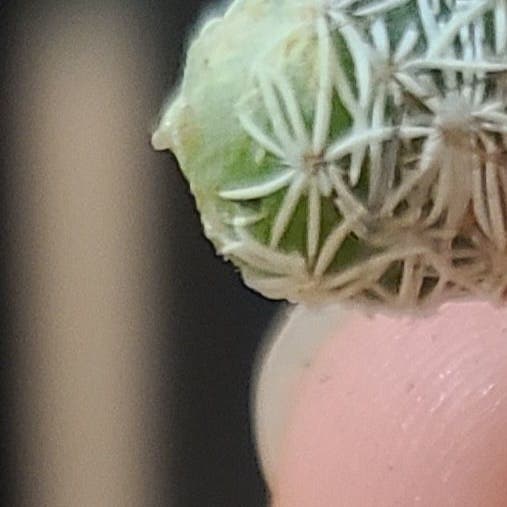
🌵 Should I Repot My Nipple Beehive Cactus?
Coryphantha macromeris
By the Greg Editorial Team
Feb 29, 2024•4 min read
This article was created with the help of AI so we can cover more plants for you. May contain errors. See one? Report it here.
Ensure your Nipple Beehive Cactus thrives 🌵 by learning the optimal repotting signs and techniques!
- 🌵 Roots peeking out? Time to repot your Nipple Beehive Cactus.
- Terracotta or ceramic pots are best for drainage and airflow.
- Repot in spring or early fall, then wait a week before watering.
Spotting the Tell-Tale Signs It's Time to Repot
🌵 Roots Taking Center Stage
When your cactus's roots stage a jailbreak through the drainage holes, it's not exploring—it's cramped. If the roots are circling the pot's bottom like a miniature race track, it's time for a new home.
📉 Slowed Growth: More Than Just a Phase
A cactus that's stopped growing isn't just being stubborn; it's root-bound. When it's more top-heavy than a bobblehead, it's a clear sign that your plant is pleading for more space.
📅 Seasonal Timing: When to Make the Move
Spring is the prime time for repotting, aligning with the cactus's natural growth spurt. Missed the window? Early fall offers a second shot at repotting before winter dormancy sets in. Avoid repotting during growth lulls or extreme weather to prevent stressing your plant.
Choosing the Right Home: Pot Materials Matter
🏺 Terracotta and Unglazed Ceramic: The Breathable Duo
Terracotta and unglazed ceramic pots are like the Swiss cheese of the plant world; they're full of holes, which is exactly what you want. These materials are porous, meaning they allow your cactus's roots to breathe easy, avoiding the dreaded root rot. They wick away excess moisture, ensuring your spiky friend isn't sitting in a puddle of its own despair. Ideal for those who love their plants but tend to overwater, these pots are forgiving, allowing for some margin of error.
🚫 The Downside of Plastic and Metal
Plastic and metal pots might look sleek and cost less, but they're the helicopter parents of the pot world—overbearing and not letting the plant do its thing. They trap moisture and heat, which can be a death sentence for a cactus that craves a dry, cool environment. If you're going for plastic, make sure it has drainage holes; otherwise, you're setting up your cactus for a soggy demise. Metal pots can overheat your plant's roots, especially if they're sitting in direct sunlight, cooking your cactus like a tin foil-wrapped burrito.
The Repotting Rundown: A Step-by-Step Guide
🛠️ Prepping Your Workspace
First things first, clear your stage. A spacious, clutter-free area is crucial for a smooth repotting show. Lay down some newspaper or a tarp to catch any stray soil. Gather your tools: a new pot, cactus mix, trowel, gloves, and watering can. Safety isn't a joke—those gloves are your armor against the cactus's spiky attitude.
🌵 The Gentle Unpotting
It's time to ease out your prickly friend. Tip the pot sideways and coax the cactus out by the base. If it plays hard to get, a gentle tap should break the soil's grip. Once it's out, brush off the old soil to inspect the roots. Treat it like a fragile treasure—rough handling is a no-go.
🏺 Selecting and Preparing the New Pot
Choosing a new pot isn't rocket science, but it's close. Go for one that's 2 inches wider than the old one, with drainage holes to avoid soggy disasters. Prep the pot with a gravel layer at the bottom for extra drainage, then add a bit of cactus mix on top.
🌵 The Perfect Soil Mix
Your cactus craves a well-draining mix. Combine a commercial cactus mix with perlite for aeration. If you're feeling fancy, throw in some coarse sand. Just avoid heavy, moisture-retentive soils—they're the arch-nemesis of cactus roots.
💧 Settling In: Planting and Watering
Gently place your cactus in the new pot, filling in with your premium soil mix. Don't pack it down like you're stuffing a turkey—cacti despise tight spaces. Water it once, deeply, to settle the roots. Then, let it dry out completely before the next watering session. Patience is key; overwatering is the fast track to a cactus catastrophe.
Aftercare: Helping Your Cactus Thrive Post-Repotting
🌵 The Waiting Game: When to Water
After repotting your Nipple Beehive Cactus, it's crucial to play the waiting game with watering. Hold off on hydration for about a week to allow any disturbed roots to recover from the shock. When you finally do water, think of it as a teaser—a small sip to quench a subtle thirst, not a deluge. This restraint helps prevent root rot and encourages healthy growth.
👀 Monitoring Growth and Health
In the weeks following repotting, keep a vigilant eye on your cactus. New growth is your cactus's way of giving you a nod of approval. However, if you notice any wilting or discoloration, it's a red flag that your care regimen needs tweaking. This could involve adjusting the watering frequency or reassessing the cactus's exposure to sunlight. Remember, your cactus isn't just surviving; it's trying to thrive. Give it the respect and attention it deserves, and you'll be rewarded with a spiky companion that's as resilient as it is charming.
⚠️ Safety First
This content is for general information and may contain errors, omissions, or outdated details. It is not medical, veterinary advice, or an endorsement of therapeutic claims.
Always consult a qualified healthcare professional before using any plant as food, medicine, or supplement.
Never eat any plant (or feed one to pets) without confirming its identity with at least two trusted sources.
If you suspect poisoning, call Poison Control (800) 222-1222, the Pet Poison Helpline (800) 213-6680, or your local emergency service immediately.
Spotted an error? Please report it here.
Repot your Nipple Beehive Cactus with confidence and watch it flourish by following Greg's tailored care reminders 🌵 for the perfect potting time and materials.