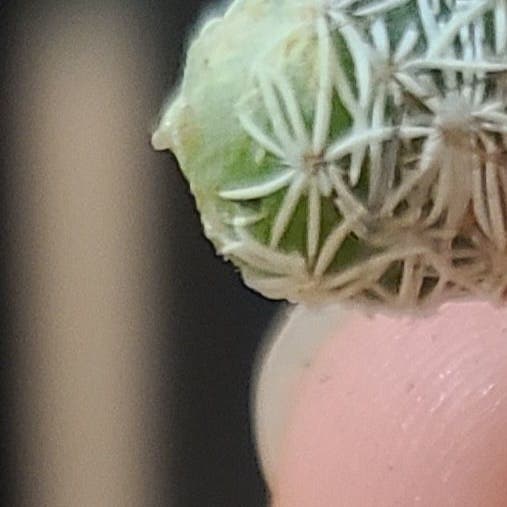
🌵 Why Is My Nipple Beehive Cactus Dropping Leaves?
Coryphantha macromeris
By the Greg Editorial Team
Feb 29, 2024•3 min read
This article was created with the help of AI so we can cover more plants for you. May contain errors. See one? Report it here.
Solve the leaf-drop puzzle of your Nipple Beehive Cactus 🌵 and keep it thriving!
- Under/overwatering? Wrinkled or yellow leaves signal watering issues.
- 🌡️ Temperature & sunlight balance is crucial to prevent leaf drop.
- Root health is key; inspect and trim roots, use well-draining soil.
When Thirst Goes Unquenched: Underwatering Woes
🚰 Spotting the Signs
Your Nipple Beehive Cactus isn't trying to win an award for best actor in a drama; wrinkled leaves are a cry for help. If the soil feels like a dry joke, it's time to get serious about hydration. Leaves that look more crispy than a well-done slice of bacon are telling you they need a drink, pronto.
🚰 Quenching the Thirst
To properly hydrate your cactus, think of watering as a gentle rain shower rather than a monsoon. Ensure the pot allows for a quick escape of excess water—nobody likes wet feet, especially not your cactus. If the pot feels lighter than your mood on a good day, it's a sign to water. After a thorough soak, if your cactus perks up, you've hit the sweet spot. If not, adjust your approach and try again. Remember, moist is the goal, soggy is the enemy.
Drowning in Excess: The Overwatering Plight
🚰 Recognizing Overwatering Damage
Yellow leaves and squishy stems are your cactus's way of waving a white flag. If the soil feels like a wetland, you've overstepped. Overwatering invites pests and diseases, turning your plant into an all-you-can-eat buffet for bugs.
🚑 Rescuing from the Flood
Stop watering immediately. It's time for a cactus detox. Remove the plant from its pot and inspect the roots. Healthy roots are firm and white; if they're mushy and dark, it's time to grab the scissors. Trim the rot, treat with fungicide, and repot in a well-draining mix. Ensure your pot has drainage holes to avoid future aquatic mishaps.
Feeling the Burn or the Chill: Temperature and Sunlight Stress
🌵 Too Hot to Handle or Too Cold to Hold
In the world of Nipple Beehive Cacti, temperature is a fickle friend. Leaf drop can signal your cactus is throwing in the towel on extreme heat or cold. Browning leaves? Your cactus might be on the verge of a heat stroke. Dark, mushy spots? That's the plant equivalent of frostbite.
🌞 Basking in the Right Light
Sunlight is like a double-edged sword for these prickly potted pals. Too much sun, and you'll witness a cactus sunburn—crispy, brown patches crying out for relief. Too little, and your cactus starts reaching for the sky, growing tall and thin in a desperate search for light. The goal is to find that Goldilocks zone of sunlight—bright, but not direct, to keep your cactus from going into full meltdown or growth stunt mode. Use a thermometer to avoid the drama of temperature tantrums and keep those temps just right, away from drafts and heat sources.
Root of the Problem: Ensuring Root Health
🌱 Unearthing Root Issues
Roots are the lifeline of your Nipple Beehive Cactus, and neglecting them is like ignoring the check engine light on your car—risky business. To check for root rot or dehydration, gently remove your cactus from its pot and examine the roots. Healthy roots should be firm and white, while unhealthy ones are brown, mushy, and might even smell like defeat.
🌿 Nurturing the Roots Back to Health
Once you've diagnosed your cactus with the root equivalent of a bad cold, it's time to play plant doctor. Trim away any rotten roots with sterilized scissors—think of it as removing the bad apples from the bunch. Repot your cactus in fresh, well-draining soil, ensuring the pot has proper drainage holes. Watering should be like feeding a cat—calculated and not too generous. Remember, a cactus is more camel than goldfish; it thrives on less, not more.
⚠️ Safety First
This content is for general information and may contain errors, omissions, or outdated details. It is not medical, veterinary advice, or an endorsement of therapeutic claims.
Always consult a qualified healthcare professional before using any plant as food, medicine, or supplement.
Never eat any plant (or feed one to pets) without confirming its identity with at least two trusted sources.
If you suspect poisoning, call Poison Control (800) 222-1222, the Pet Poison Helpline (800) 213-6680, or your local emergency service immediately.
Spotted an error? Please report it here.
Ensure your Nipple Beehive Cactus flourishes 🌵 by leveraging Greg to find that perfect watering balance and keep those roots healthy!