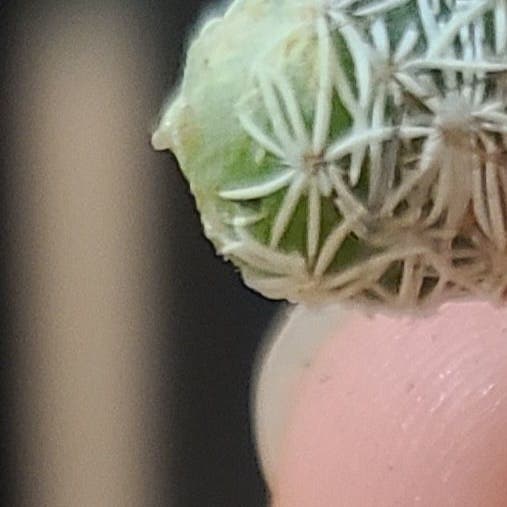
🌵 Best Soil Potting Mix for Nipple Beehive Cactus
Coryphantha macromeris
By the Greg Editorial Team
Feb 29, 2024•5 min read
This article was created with the help of AI so we can cover more plants for you. May contain errors. See one? Report it here.
Discover the secret to a flourishing Nipple Beehive Cactus 🌵 with this essential guide to the perfect soil mix!
- Mold and poor drainage harm cacti; fix with less water, more air.
- Homemade mix beats store-bought for tailored cactus care.
- Refresh soil biennially to keep your Nipple Beehive Cactus thriving.
Spotting Trouble: When Your Cactus's Soil Goes Bad
🚫 Signs Your Soil is Unhappy
Mold in your cactus pot is the unwelcome guest that crashes the party. It's not just a visual blight—it's stealing nutrients right out from under your plant's nose. If your cactus is sporting a new, fuzzy coat or the soil smells like last week's forgotten gym socks, you've got a mold problem.
Poor drainage is another telltale sign of trouble. If the soil feels more like a wet sponge than a dry desert, your cactus is sending out an SOS. Wilting leaves or a cactus that's softer than your favorite plush toy are screaming for an intervention.
Turning Things Around
To fix moldy soil, start by reducing watering and increasing air circulation. Think of it as your cactus's personal spa day—less moisture, more breeze. A dash of cinnamon over the soil can work like a charm to keep mold at bay, and it's not just for your morning toast.
When combatting root rot, it's time to get your hands dirty. Repot your cactus, stripping away the soggy, mold-infested soil and giving it a fresh, gritty mix to call home. Remember, cacti are desert dwellers; they prefer their drinks infrequent but deep. Let the soil dry out completely between waterings to prevent a repeat performance.
Crafting the Perfect Soil Mix
🌵 The Ideal Ingredients
Creating the ideal soil mix for a Nipple Beehive Cactus is a straightforward affair. Perlite is essential for aeration, allowing roots to breathe. Coarse sand adds the necessary grit, ensuring quick drainage. Together, these elements prevent water from overstaying its welcome.
🛍️ Store-Bought vs. Homemade: What's Best for Your Cactus?
When it comes to cactus care, the soil mix is non-negotiable. Store-bought mixes offer convenience but can be hit or miss. They often contain a blend of perlite, pumice, and organic matter. However, homemade mixes let you control the soil's destiny, fine-tuning it to your cactus's needs.
📦 Comparing Commercial Cactus Mixes
Commercial mixes are a mixed bag. Some may be too rich or poorly draining. Look for brands with a reputation for quality and read the labels carefully. The best ones balance inorganic materials for drainage with just enough organic matter for nutrients.
📋 Step-by-Step Guide to Mixing Your Own
- Sanitize your tools and container to prevent any unwanted microbial guests.
- Mix 3 parts potting soil with 2 parts coarse sand for structure and drainage.
- Add 1 part perlite to keep the mix light and airy.
- For a nutritional boost, consider a scoop of worm castings or compost.
- If you're feeling fancy, a sprinkle of horticultural charcoal can ward off mold.
Remember, the perfect mix is a living document. Observe your cactus's response, and don't be afraid to tweak the recipe.
The Recipe for Success: DIY Soil Mix for Nipple Beehive Cactus
🌵 Getting the Proportions Right
Creating the ideal soil mix for your Nipple Beehive Cactus starts with understanding the right balance of ingredients. Your cactus craves a mix that mimics its natural, rocky habitat, so gritty is the goal.
- Pumice: This volcanic rock is a champ at providing aeration and drainage. Aim for a 1:1 ratio with your organic matter.
- Gravel: Small stones improve drainage and add weight to the pot. A 1:2 ratio with pumice keeps things stable without overdoing it.
- Organic Matter: This includes peat moss or coconut coir. They help retain moisture but should be used sparingly. Stick to a 1:1:1 ratio of pumice, gravel, and organic matter for a balanced mix.
🌱 Mixing and Prepping Your Soil
Now, let's get our hands dirty. Mix your ingredients like a culinary artist—precision matters.
- Blend Thoroughly: Uniformity is key. Ensure each scoop of your mix has a consistent blend of pumice, gravel, and organic matter.
- Test for Drainage: Water should run through with ease. If it doesn't, add more gritty material.
- Moisture Check: Your mix should hold moisture without feeling soggy. If it's too dry, adjust your organic matter ratio.
- pH Level: Cacti prefer a slightly acidic to neutral pH. Use a test kit and tweak with agricultural lime if necessary.
Remember, observing your cactus's response to the mix is crucial. Don't be afraid to adjust as needed. Your cactus will thank you with growth that's as robust as your soil mix game.
Keeping Your Cactus Happy: Long-Term Soil Care
🌵 Monitoring Soil Health
Consistency is your cactus's best friend. Regularly check the soil's moisture with a simple finger test—dry down to about an inch means it's time to water. Beware of any changes in texture or color, which could indicate mold or mineral buildup. These are red flags that your soil's balance is more off-kilter than a gymnast with vertigo.
🌵 Refreshing the Mix
Your cactus's soil isn't immortal. Over time, it compacts, loses nutrients, and becomes as welcoming as a bed of nails. Repot every couple of years to give your cactus a fresh lease on life. When refreshing the mix, think desert vibes—gritty, loose, and as draining as a sieve. Remember, a happy cactus is all about the right foundation, and that starts with the perfect soil mix.
⚠️ Safety First
This content is for general information and may contain errors, omissions, or outdated details. It is not medical, veterinary advice, or an endorsement of therapeutic claims.
Always consult a qualified healthcare professional before using any plant as food, medicine, or supplement.
Never eat any plant (or feed one to pets) without confirming its identity with at least two trusted sources.
If you suspect poisoning, call Poison Control (800) 222-1222, the Pet Poison Helpline (800) 213-6680, or your local emergency service immediately.
Spotted an error? Please report it here.
Keep your Nipple Beehive Cactus flourishing with a perfect soil mix and let Greg monitor moisture 🌵, ensuring your spiky friend always has the ideal growing conditions.