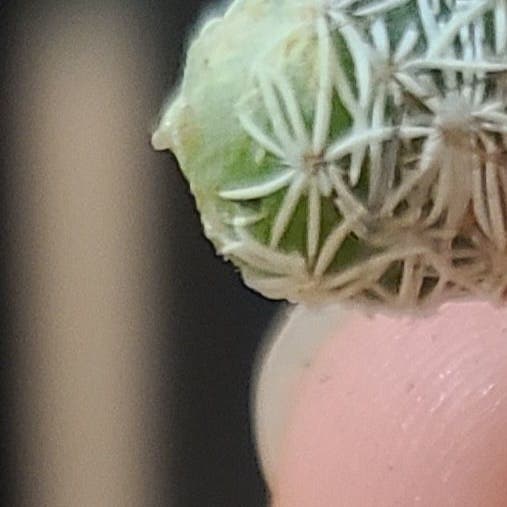
🌵 How Frequently Should I Water My Nipple Beehive Cactus?
Coryphantha macromeris
By the Greg Editorial Team
Feb 29, 2024•4 min read
This article was created with the help of AI so we can cover more plants for you. May contain errors. See one? Report it here.
Nurture your cactus 🌵 to perfection by syncing your watering routine with nature's cues and its growth stages.
- 🌵 Seasonal watering - more in summer, less in winter.
- Overwatering vs. Underwatering: Yellowing and shriveling are key signs.
- Use moisture meters or finger test to gauge watering needs.
When Thirst Strikes: Decoding Watering Frequency
💧 Seasonal Shifts and Their Thirst Quenching Patterns
🌞 Summer sips: Adjusting to the heat
In the summer, your nipple beehive cactus is practically a sun worshipper, soaking up rays and needing extra water to cope with the heat. Increase watering frequency, but don't turn your cactus pot into a swimming pool.
❄️ Winter woes: Scaling back on water
Come winter, your cactus is more of a couch potato, slowing its growth and sipping water sparingly. Reduce watering and let the soil dry out more between drinks.
Home Sweet Home: Environmental Factors at Play
💡 Light levels and their thirst triggers
Bright light can turn your cactus into a bit of a lush, demanding more frequent watering. If your plant is basking in a sunny spot, be ready to quench its thirst more often.
🌡️ Humidity and temperature: The hydration influencers
Humidity and temperature are like the cactus's personal weather forecast, influencing how much water it craves. A humid room might mean your watering can gathers dust for longer, while dry air could have you reaching for it more often. Keep these factors in check to avoid turning your cactus care into a guessing game.
Spotting the Signs: Too Much or Too Little
🚱 SOS from Your Cactus: Overwatering Red Flags
Yellowing and softness are your cactus's way of saying, "Ease up on the H2O!" If the base feels squishier than it should, it's time to let the soil dry out. Root rot sneaks in when you're overzealous with watering, so watch for a base that's too soft.
🕵️♂️ The root of the problem: Detecting root rot
Root rot is the stealthy burglar of the plant world. If the roots are dark and mushy, your watering schedule needs an intervention. But don't confuse this with underwatering; brittle roots mean your cactus is thirsty, not drowning.
🏜️ The Thirsty Cactus Cry: Underwatering Symptoms
When your cactus starts shriveling up, it's not just being dramatic—it's parched. A cactus that's more raisin than robust needs a drink, stat. Dry spells in the soil are a clear sign it's time to water.
🏜️ Dry spells: When your cactus is too dry
If the soil is bone-dry and the plant is wilting or has browning tips, it's not just trying a new look—it's struggling. Remember, a cactus stores water, so it can handle some neglect, but too little water and it starts looking like a sad, wrinkled balloon.
Crafting Your Cactus's Drinking Schedule
🌱 Life Cycle Considerations: From Seedling Sips to Mature Gulps
Caring for young cacti requires a delicate touch. Seedlings need consistent but sparse watering to prevent root rot, fostering a robust root system. As they mature, their watering needs intensify; adult plants demand more volume but less frequency to mimic their natural arid habitats.
🌦 Adapting to the Times: Seasonal and Weather Adjustments
Seasonal shifts dictate your cactus's thirst. In summer, water more often to support growth. Winter, however, calls for a reduction in watering, aligning with the plant's dormant phase. Always let the soil dry out completely between sessions, and adjust for local weather—more water in dry spells, less during cool, damp periods.
Watering Wisdom: Techniques and Tools for Hydration Success
💧 The Right Pour: Watering Techniques for Happy Cacti
🚰 Drainage dreams: Ensuring excess water can escape
Proper drainage is non-negotiable for nipple beehive cacti. Choose pots with holes at the bottom to let excess water flee like a crowd from a fire drill. This prevents the dreaded soggy bottom, a perilous condition for your spiky friend.
💦 Deep drinks: Soaking the soil thoroughly
When watering, think of it as a mini monsoon for your cactus. Drench the soil until water runs out of the drainage holes, mimicking a natural rainstorm. This encourages roots to grow deep and strong, seeking moisture and stability.
🛠️ Tools of the Trade: Moisture Meters and the Finger Test
💻 Tech to the rescue: Using gadgets for precision
Moisture meters are like the GPS for lost waterers; they guide you to the perfect watering moment. No more guesswork—insert, read, and water (or don't) as directed by the gadget's unemotional verdict.
👆 The tactile approach: Trusting your touch
Your finger is the OG moisture meter. Plunge it into the soil up to the second knuckle; if it feels like a dry summer breeze, it's time to water. If it's damp, hold off and check back later. Trust the touch—it's free and always on hand.
⚠️ Safety First
This content is for general information and may contain errors, omissions, or outdated details. It is not medical, veterinary advice, or an endorsement of therapeutic claims.
Always consult a qualified healthcare professional before using any plant as food, medicine, or supplement.
Never eat any plant (or feed one to pets) without confirming its identity with at least two trusted sources.
If you suspect poisoning, call Poison Control (800) 222-1222, the Pet Poison Helpline (800) 213-6680, or your local emergency service immediately.
Spotted an error? Please report it here.
Ensure your Nipple Beehive Cactus thrives with season-perfect watering 🌵 using Greg's custom reminders, tailored to your home's unique environment.