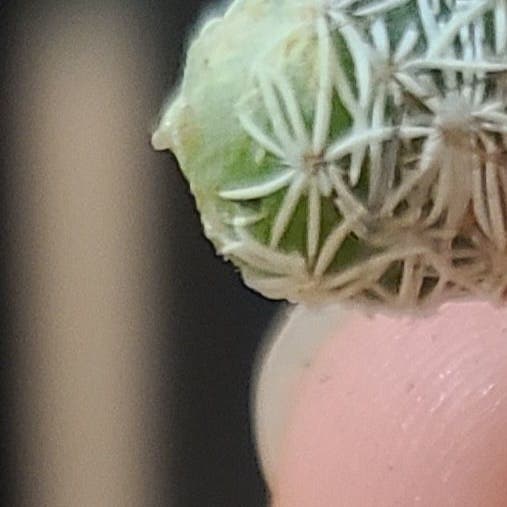
🐝 Why Are My Nipple Beehive Cactus Leaves Mushy?
Coryphantha macromeris
By the Greg Editorial Team
Feb 29, 2024•3 min read
This article was created with the help of AI so we can cover more plants for you. May contain errors. See one? Report it here.
Prevent cactus casualties 🌵 by spotting and fixing mushy leaves with these essential care tips!
- 🌵 Swollen leaves and black base signal overwatering in cacti.
- Stop watering; let soil dry before the next watering session.
- Repot with well-draining soil and use terracotta pots for airflow.
Spotting the Trouble: Signs Your Cactus is Too Wet
💦 Overwatering Symptoms
If your Nipple Beehive Cactus has swollen or translucent leaves, it's time to reassess your watering routine. A plant that feels like a water balloon is a classic sign of overindulgence. Blackening at the base? That's the cactus equivalent of a red flag.
🚱 Root Rot Red Flags
Foul-smelling soil is a dead giveaway of overwatering. If the roots resemble overcooked noodles rather than firm, white tendrils, you're dealing with root rot. This silent killer can swiftly turn your cactus from spiky to squishy.
🚰 Drainage Dilemmas
Check the pot's weight; if it feels like it's packed with wet sand, your drainage is likely inadequate. Your cactus craves a pot with holes and soil that's more gritty than clingy. Remember, soggy soil is as welcome as a flood in a desert.
First Aid for Your Cactus: Immediate Steps to Take
💧 Cutting Back on Water
Stop watering—it's not a suggestion, it's a must. Your cactus is practically swimming, not sitting. Let the soil go Sahara-dry before you even think about another watering.
🕵️♂️ Root Rescue Mission
Gently unpot your cactus and inspect the roots. Healthy roots look like fresh, firm, white strings, not like something you'd find in a zombie flick. Snip the undead parts with sterilized precision, and let the living bits air out.
🌵 Soil Surgery
It's time to ditch the swampy soil. Repot with a mix that breathes—think cactus or succulent soil spiked with perlite or coarse sand. And remember, a pot without drainage holes is a cactus coffin.
Long-Term Care: Keeping Your Cactus Happy and Healthy
💧 Watering Wisdom
To maintain a thriving Nipple Beehive Cactus, mirror its desert origins. Summer demands more frequent watering—think deep, infrequent soaks that mimic rare desert downpours. Winter is a rest period; water sparingly, as your cactus dozes off like a bear in hibernation. The golden rule? Let the soil dry completely before the next watering. It's not just about quantity; it's about timing.
🏺 Pot and Soil Perfection
Terracotta or unglazed ceramic pots are your cactus's best allies. Their porous nature promotes air flow, letting roots breathe and preventing water from getting too cozy. As for soil, think desert: a well-draining mix with sand, perlite, and a touch of organic matter. Repot every couple of years to prevent soil compaction and give your cactus room to grow. It's like moving to a bigger house with better air conditioning—your cactus will love it.
⚠️ Safety First
This content is for general information and may contain errors, omissions, or outdated details. It is not medical, veterinary advice, or an endorsement of therapeutic claims.
Always consult a qualified healthcare professional before using any plant as food, medicine, or supplement.
Never eat any plant (or feed one to pets) without confirming its identity with at least two trusted sources.
If you suspect poisoning, call Poison Control (800) 222-1222, the Pet Poison Helpline (800) 213-6680, or your local emergency service immediately.
Spotted an error? Please report it here.
Avoid the mushy mishaps of overwatering by letting Greg set custom dry-out reminders 🌵 for your Nipple Beehive Cactus, ensuring it thrives in just the right conditions.